THE ADVENTURE COLLECTIVE® · Independent discovery and booking for outdoor travel

Spend an overnight crossing of Lake Titicaca to Sun Island, where Inca terraces, reed-boat demonstrations and community visits blend history with high-altitude sailing. This practical guide previews what to expect—from ruins and local culture to passport and altitude tips.
Spend an overnight crossing of Lake Titicaca to Sun Island, where Inca terraces, reed-boat demonstrations and community visits blend history with high-altitude sailing. This practical guide previews what to expect—from ruins and local culture to passport and altitude tips.
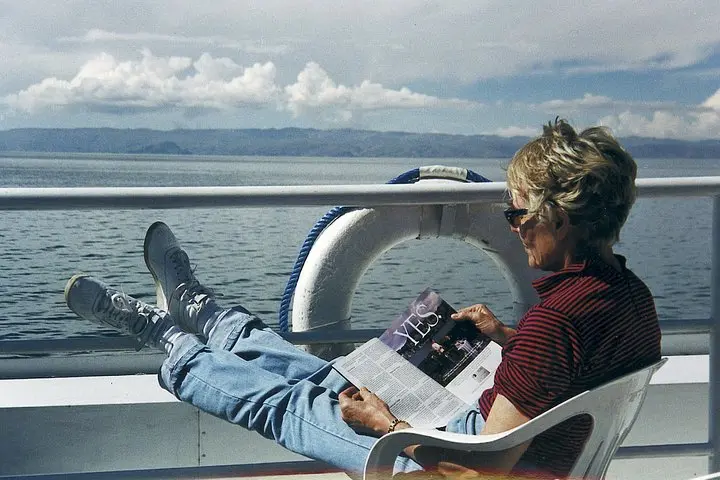
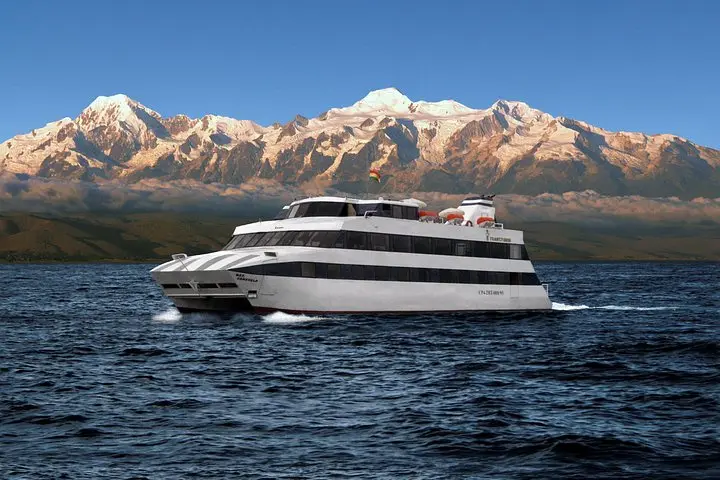
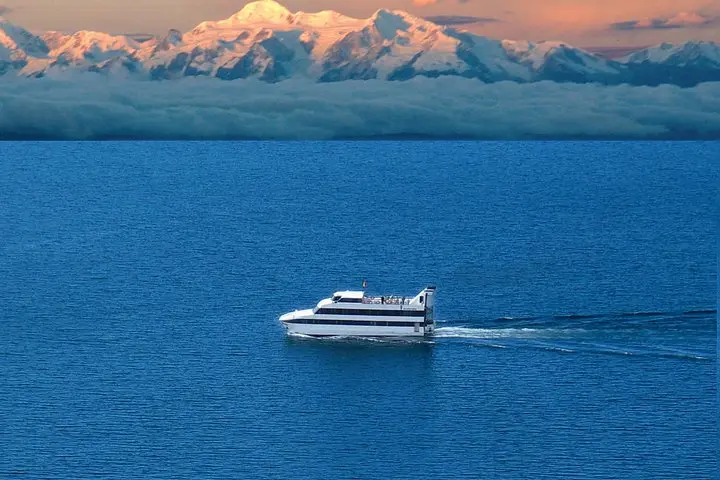
The catamaran slips away from Copacabana at dusk, the high plateau air thin and cold, the lake itself a dark mirror broken by the wake. Onboard lamps glow, local musicians tune charango and siku, and the Andes loom like a folded wall to the west—this is Lake Titicaca at eye level: immense, ancient, uncompromising.
Verified experiences and guided adventures in the surrounding area.
Operated by VIPAC Travel · Puno, Puno
The catamaran slips away from Copacabana at dusk, the high plateau air thin and cold, the lake itself a dark mirror broken by the wake. Onboard lamps glow, local musicians tune charango and siku, and the Andes loom like a folded wall to the west—this is Lake Titicaca at eye level: immense, ancient, uncompromising.
Sun Island (Isla del Sol) sits like a stepped plaza in the lake, its terraces and stone stairways cut into volcanic rock and wind-shaped soil. The island holds Inca and pre-Inca ruins—Chincana labyrinths, ceremonial stairways and Pilkokaina’s palace—evidence of long human presence tied to solar myths and Tiwanaku antecedents. Geology here is dominated by uplifted volcanic and andesitic material; the high-altitude lake itself is a remnant of Andean tectonics and glacial history.
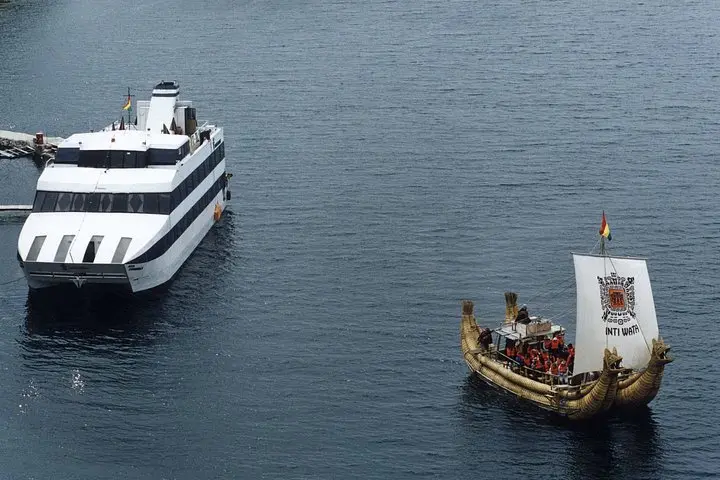
Culturally, visits are as much about living communities as archaeology: Aymara and Quechua traditions remain visible in agriculture, reed-boat building and community tourism performances. Expect warm welcomes in small ports, an emphasis on communal meals and homespun handicrafts on shore.
Practically: this overnight is a moderate, high-altitude experience—prepare for cold nights, bright sun and variable winds. Cabins on the catamaran are basic but private; daytime excursions include steep stone steps and uneven terracing. Bring layered clothing, sun protection, and a small daypack for trails. Passport and visa checks are mandatory—the itinerary crosses into Bolivia—so have documents and any required visas ready. Hydrate, pace yourself to the altitude, and budget cash for community entrance fees and souvenirs.
Yes—this itinerary crosses into Bolivia. Bring a valid passport and check visa requirements for your nationality before booking.
Overnight accommodation is in double cabins with exterior views and private bathrooms; amenities are basic but functional.
Yes—the lake sits around 3,800–3,900 m. Allow time to acclimatize in Puno, stay hydrated and avoid heavy exertion on day one.
Yes: dinner, breakfast and lunches noted in the itinerary are included; expect buffet-style onboard meals and community-hosted lunches on visits.
VIPAC Travel operates guided outdoor trips and adventures with an emphasis on safety, stewardship, and memorable experiences.
The catamaran slips away from Copacabana at dusk, the high plateau air thin and cold, the lake itself a dark mirror broken by the wake. Onboard lamps glow, local musicians tune charango and siku, and the Andes loom like a folded wall to the west—this is Lake Titicaca at eye level: immense, ancient, uncompromising.
The catamaran slips away from Copacabana at dusk, the high plateau air thin and cold, the lake itself a dark mirror broken by the wake. Onboard lamps glow, local musicians tune charango and siku, and the Andes loom like a folded wall to the west—this is Lake Titicaca at eye level: immense, ancient, uncompromising.
Sun Island (Isla del Sol) sits like a stepped plaza in the lake, its terraces and stone stairways cut into volcanic rock and wind-shaped soil. The island holds Inca and pre-Inca ruins—Chincana labyrinths, ceremonial stairways and Pilkokaina’s palace—evidence of long human presence tied to solar myths and Tiwanaku antecedents. Geology here is dominated by uplifted volcanic and andesitic material; the high-altitude lake itself is a remnant of Andean tectonics and glacial history.
Culturally, visits are as much about living communities as archaeology: Aymara and Quechua traditions remain visible in agriculture, reed-boat building and community tourism performances. Expect warm welcomes in small ports, an emphasis on communal meals and homespun handicrafts on shore.
Practically: this overnight is a moderate, high-altitude experience—prepare for cold nights, bright sun and variable winds. Cabins on the catamaran are basic but private; daytime excursions include steep stone steps and uneven terracing. Bring layered clothing, sun protection, and a small daypack for trails. Passport and visa checks are mandatory—the itinerary crosses into Bolivia—so have documents and any required visas ready. Hydrate, pace yourself to the altitude, and budget cash for community entrance fees and souvenirs.