THE ADVENTURE COLLECTIVE® · Independent discovery and booking for outdoor travel

Swap Fez’s medina for a night under Saharan stars on a 1-night Erg Chebbi camp. Expect cedar forests, the Ziz Valley and a camel ride into dunes with private tent lodging and an authentic Berber evening.
Swap Fez’s medina for a night under Saharan stars on a 1-night Erg Chebbi camp. Expect cedar forests, the Ziz Valley and a camel ride into dunes with private tent lodging and an authentic Berber evening.
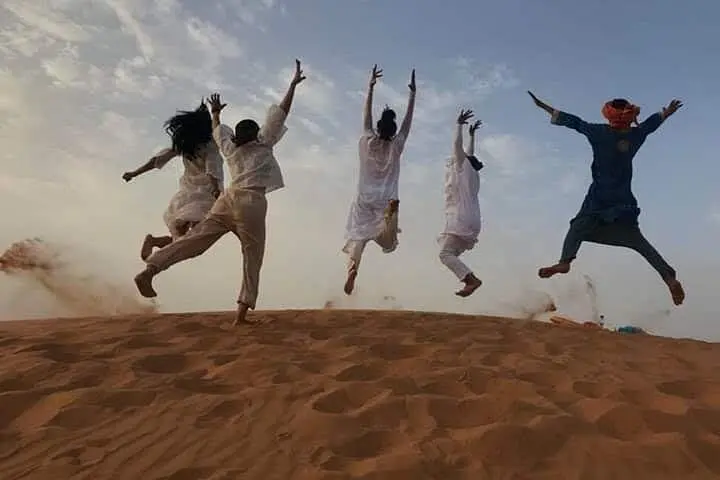
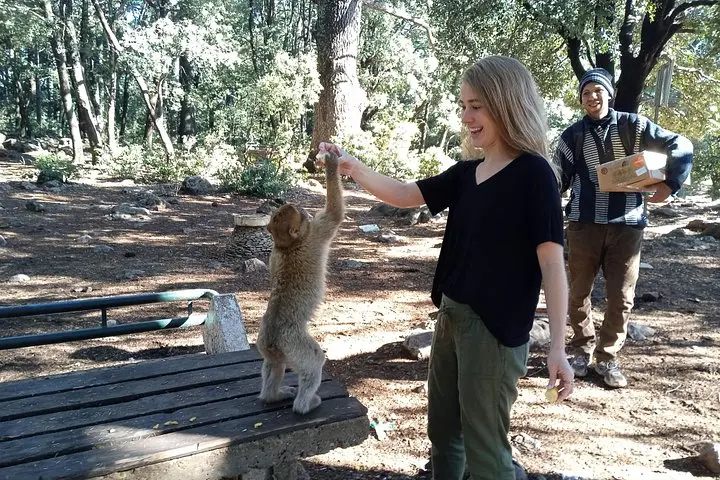
You roll out of Fez at first light and the road narrows into the cedar-splashed slopes of the Middle Atlas; the van hums and the landscape opens into a long green throat that gives way to the Ziz Valley and, finally, the saffron-colored silhouette of Erg Chebbi.
Verified experiences and guided adventures in the surrounding area.
Operated by Fez Guide tours · Merzouga, Drâa-Tafilalet
You roll out of Fez at first light and the road narrows into the cedar-splashed slopes of the Middle Atlas; the van hums and the landscape opens into a long green throat that gives way to the Ziz Valley and, finally, the saffron-colored silhouette of Erg Chebbi.
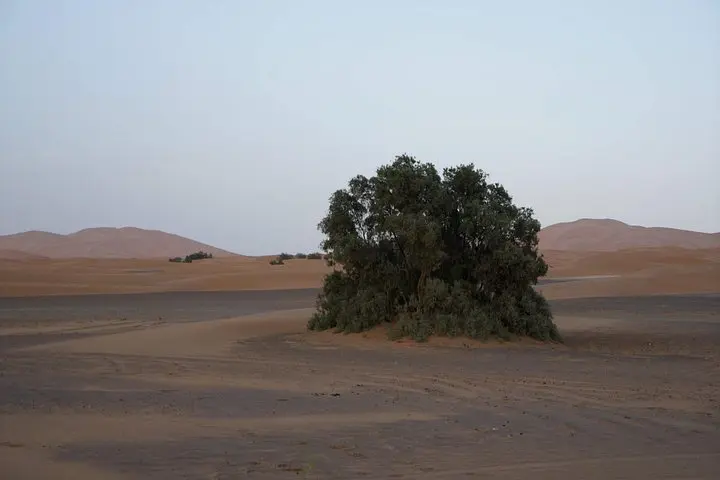
The region stitches together layers of history: Roman-era trade routes pushed caravans across these sands, and Berber villages like Azrou and Ifrane—nicknamed Moroccan Switzerland for its Alpine-style homes—mark a cultural shift from mountain to desert. Geologically, Erg Chebbi is a mobile dune field formed by Saharan winds piling fine sand into ridges that can tower over 150 meters; nearby palmeries follow rivers that stubbornly cut through arid land and keep oases alive.
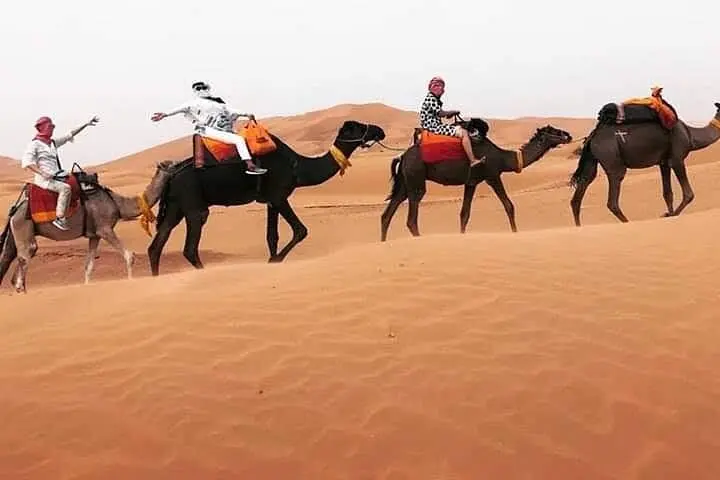
On arrival in Merzouga you’ll mount a camel for the last stretch, the animal’s sway setting the rhythm before tents appear along dune rims. Camps blend practical comforts—private tents, shared wash facilities, hot showers—with traditional music around a small fire as temperatures drop sharply after sunset. Stars here feel close enough to miss by a fingertip.
Practical notes: pack layers for hot days and cold nights, bring high-SPF sun protection and at least 2–3 liters of water per person, and choose closed shoes for dune walking. Sunrise and sunset are the most rewarding light for photos; allow time to acclimate to sand footing and the slow pace. If you have mobility limits, check vehicle and camp accessibility in advance. The trip pairs accessible logistics with unmistakable desert presence—simple, wide, and immediate.
Expect roughly 7–9 hours of driving each way with scenic stops through the Middle Atlas and Ziz Valley; exact time depends on itinerary and traffic.
Yes—camps typically offer private sleeping tents with access to shared bathrooms and hot-water showers as advertised, though facilities are basic compared to hotels.
Camel rides are low risk but involve mounting and dismounting; those with severe back problems or pregnancy should avoid them and request alternative transport.
Yes—some operators offer routes to or from Marrakech; confirm your chosen itinerary as drop-off options vary by day and operator.
Fez Guide tours operates guided outdoor trips and adventures with an emphasis on safety, stewardship, and memorable experiences.
You roll out of Fez at first light and the road narrows into the cedar-splashed slopes of the Middle Atlas; the van hums and the landscape opens into a long green throat that gives way to the Ziz Valley and, finally, the saffron-colored silhouette of Erg Chebbi.
You roll out of Fez at first light and the road narrows into the cedar-splashed slopes of the Middle Atlas; the van hums and the landscape opens into a long green throat that gives way to the Ziz Valley and, finally, the saffron-colored silhouette of Erg Chebbi.
The region stitches together layers of history: Roman-era trade routes pushed caravans across these sands, and Berber villages like Azrou and Ifrane—nicknamed Moroccan Switzerland for its Alpine-style homes—mark a cultural shift from mountain to desert. Geologically, Erg Chebbi is a mobile dune field formed by Saharan winds piling fine sand into ridges that can tower over 150 meters; nearby palmeries follow rivers that stubbornly cut through arid land and keep oases alive.
On arrival in Merzouga you’ll mount a camel for the last stretch, the animal’s sway setting the rhythm before tents appear along dune rims. Camps blend practical comforts—private tents, shared wash facilities, hot showers—with traditional music around a small fire as temperatures drop sharply after sunset. Stars here feel close enough to miss by a fingertip.
Practical notes: pack layers for hot days and cold nights, bring high-SPF sun protection and at least 2–3 liters of water per person, and choose closed shoes for dune walking. Sunrise and sunset are the most rewarding light for photos; allow time to acclimate to sand footing and the slow pace. If you have mobility limits, check vehicle and camp accessibility in advance. The trip pairs accessible logistics with unmistakable desert presence—simple, wide, and immediate.