THE ADVENTURE COLLECTIVE® · Independent discovery and booking for outdoor travel

Spend two days on Georgetown Island and the River Gambia exploring colonial-era sites and riverine wildlife. This overnight safari pairs cultural history—slave warehouses and the Freedom Tree—with guided boat trips to Baboon Island for chimp, hippo and bird watching.
Spend two days on Georgetown Island and the River Gambia exploring colonial-era sites and riverine wildlife. This overnight safari pairs cultural history—slave warehouses and the Freedom Tree—with guided boat trips to Baboon Island for chimp, hippo and bird watching.
The ferry slips away from the riverbank and the delta opens like a map of green channels; reeds curve and birds wheel over broad water. You arrive on Georgetown Island as afternoon light sharpens the edges of an old wooden house and the trunks of the Freedom Tree, then step into a landscape where history and wildlife move at the same pace.
Verified experiences and guided adventures in the surrounding area.
Operated by Black & White Safari · Georgetown (Janjanbureh), Central River Division
The ferry slips away from the riverbank and the delta opens like a map of green channels; reeds curve and birds wheel over broad water. You arrive on Georgetown Island as afternoon light sharpens the edges of an old wooden house and the trunks of the Freedom Tree, then step into a landscape where history and wildlife move at the same pace.
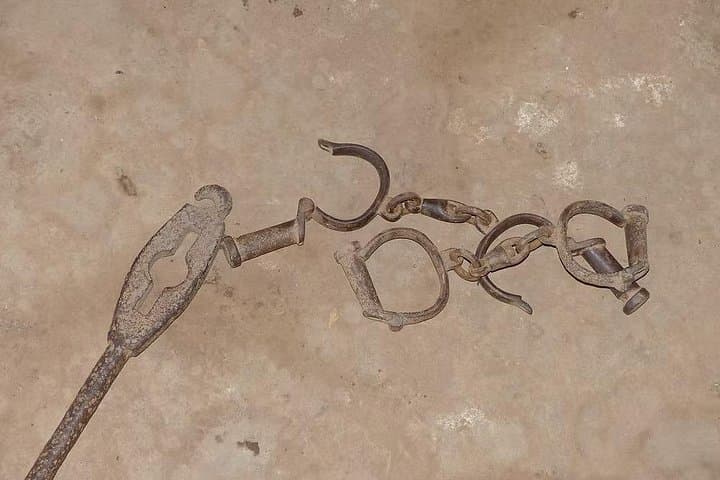
Georgetown (historically a colonial trading post) sits along the River Gambia, a corridor carved through sandstone and alluvial soils. The Stone Circles nearby predate colonial maps and mark a human presence that has long shaped local culture. The island’s underground slave house and warehouses are blunt reminders of the transatlantic trade; guides connect those sites to contemporary Gambian life, markets, and rhythms.
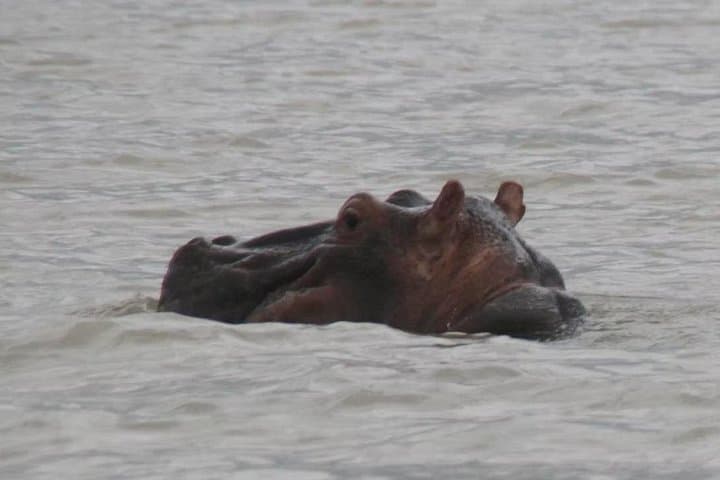
Across the river, Baboon Island and sections of River Gambia National Park host chimpanzees, baboons, hippos and a rich bird community. Expect close encounters from a quiet boat — hippos surface like breathing islands; chimp calls occasionally thread the canopy. Local guides read tracks and tides, and evening at a simple riverside camp brings the river’s nighttime voice: frogs, distant hippo exhales, and the rustle of reeds.
Practical notes: travel by private Land Rover and boat, pack a daypack with water, sun protection and insect repellent, and bring binoculars for bird and primate spotting. Paths on island sites are uneven; comfortable walking shoes and a steady step are useful. Respect local customs — modest dress and asking before photographing people — and plan for basic but comfortable camp lodging. Timing a visit in the dry season improves boat access and wildlife visibility.
Boat-based and guided shoreline viewing is the norm—guides keep safe distances; chimps may be seen in trees while hippos often surface near river channels.
Yes—meals (breakfast, lunch, dinner) and an overnight riverside camp or island lodge are included in the itinerary.
The tour is listed as suitable for most fitness levels, but boarding boats and walking uneven ground may be difficult for some—check mobility needs with the operator.
Routine vaccinations are advised; malaria prophylaxis and up-to-date travel vaccines (e.g., yellow fever where required) should be discussed with a travel clinic before departure.
Black & White Safari operates guided outdoor trips and adventures with an emphasis on safety, stewardship, and memorable experiences.


The ferry slips away from the riverbank and the delta opens like a map of green channels; reeds curve and birds wheel over broad water. You arrive on Georgetown Island as afternoon light sharpens the edges of an old wooden house and the trunks of the Freedom Tree, then step into a landscape where history and wildlife move at the same pace.
The ferry slips away from the riverbank and the delta opens like a map of green channels; reeds curve and birds wheel over broad water. You arrive on Georgetown Island as afternoon light sharpens the edges of an old wooden house and the trunks of the Freedom Tree, then step into a landscape where history and wildlife move at the same pace.
Georgetown (historically a colonial trading post) sits along the River Gambia, a corridor carved through sandstone and alluvial soils. The Stone Circles nearby predate colonial maps and mark a human presence that has long shaped local culture. The island’s underground slave house and warehouses are blunt reminders of the transatlantic trade; guides connect those sites to contemporary Gambian life, markets, and rhythms.
Across the river, Baboon Island and sections of River Gambia National Park host chimpanzees, baboons, hippos and a rich bird community. Expect close encounters from a quiet boat — hippos surface like breathing islands; chimp calls occasionally thread the canopy. Local guides read tracks and tides, and evening at a simple riverside camp brings the river’s nighttime voice: frogs, distant hippo exhales, and the rustle of reeds.
Practical notes: travel by private Land Rover and boat, pack a daypack with water, sun protection and insect repellent, and bring binoculars for bird and primate spotting. Paths on island sites are uneven; comfortable walking shoes and a steady step are useful. Respect local customs — modest dress and asking before photographing people — and plan for basic but comfortable camp lodging. Timing a visit in the dry season improves boat access and wildlife visibility.