THE ADVENTURE COLLECTIVE® · Independent discovery and booking for outdoor travel

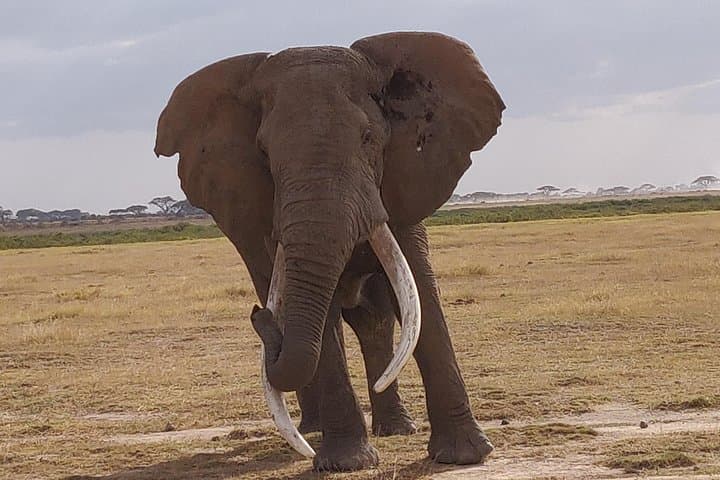
Spend a night under Amboseli’s wide skies where big-tusked elephants roam and Kilimanjaro frames the horizon. This overnight trip pairs evening and dawn game drives with chances to photograph large tuskers, lions, hippos and hundreds of bird species.
Spend a night under Amboseli’s wide skies where big-tusked elephants roam and Kilimanjaro frames the horizon. This overnight trip pairs evening and dawn game drives with chances to photograph large tuskers, lions, hippos and hundreds of bird species.
Dawn breaks over flat, pale pans and the silhouette of Mount Kilimanjaro reappears like a slow exhale. A column of elephants moves across the open plain — large-tusked matriarchs leading jittery calves across the swampy salt flats — while the sky brightens and the air sharpens. The landscape here is direct: open grassland, scattered acacia, and broad, sodden wetlands that pull migratory birds like magnets.
Verified experiences and guided adventures in the surrounding area.
Operated by Epic Views Tours & Travel · Amboseli, Kajiado County
Dawn breaks over flat, pale pans and the silhouette of Mount Kilimanjaro reappears like a slow exhale. A column of elephants moves across the open plain — large-tusked matriarchs leading jittery calves across the swampy salt flats — while the sky brightens and the air sharpens. The landscape here is direct: open grassland, scattered acacia, and broad, sodden wetlands that pull migratory birds like magnets.
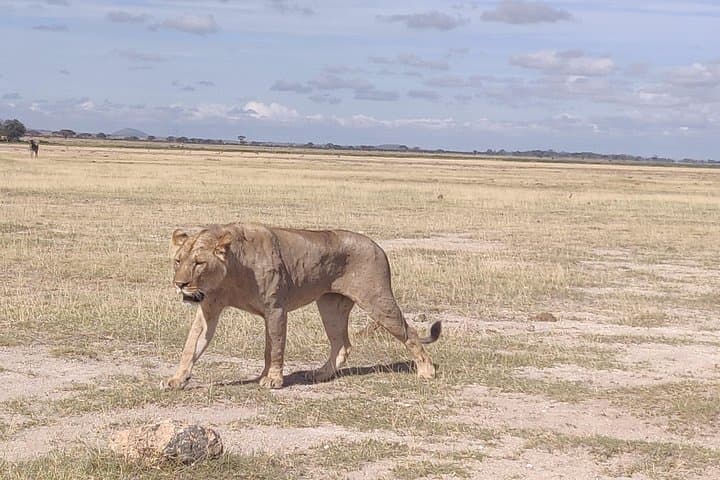
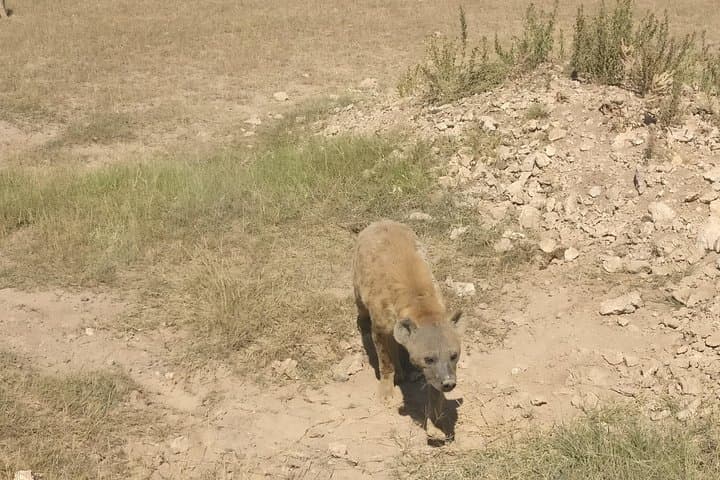
Amboseli sits at the foot of Kilimanjaro and occupies a geological low in the East African Rift; seasonal swamps and volcanic ash plains shape visibility and movement. The park’s human story runs alongside this: Maasai families graze livestock at the park edge and maintain cultural ties to the land. Amboseli’s claim to fame is wildlife visibility — famously large tuskers, more than 40 lions in various prides, cheetahs, hyena clans, hippos in permanent swamp pockets, and more than 350 recorded bird species.
On an overnight trip expect two main game-drive windows: late afternoon into dusk and first-light morning patrols when predators and elephants are most active. Lodging ranges from tented camps to permanent lodges; meals are often included. Roads can be dusty and bumpy; a 4–5 hour drive from Nairobi is common, so plan transfers accordingly.
Practical tips: bring a long-lens camera and binoculars, layer for cool mornings and hot afternoons, and carry insect repellent. Respect park rules and Maasai lands at the boundaries, and set aside early mornings for the clearest Kilimanjaro panoramas and the best wildlife encounters.
Most lodges and tours are roughly a 4–5 hour drive from Nairobi depending on traffic and road conditions; some operators offer short flights to nearby airstrips.
Many operators accept children, but infants are often required to sit on an adult’s lap; check age policies with the operator before booking.
Amboseli is best known for large-tusked elephants, and visitors commonly see zebras, giraffes, various antelope, hyenas, hippos, and a rich variety of birds; lions and cheetahs are present but less guaranteed.
Amboseli is in a malaria-risk area; consult a travel clinic about prophylaxis and use mosquito prevention measures at night.
Epic Views Tours & Travel operates guided outdoor trips and adventures with an emphasis on safety, stewardship, and memorable experiences.
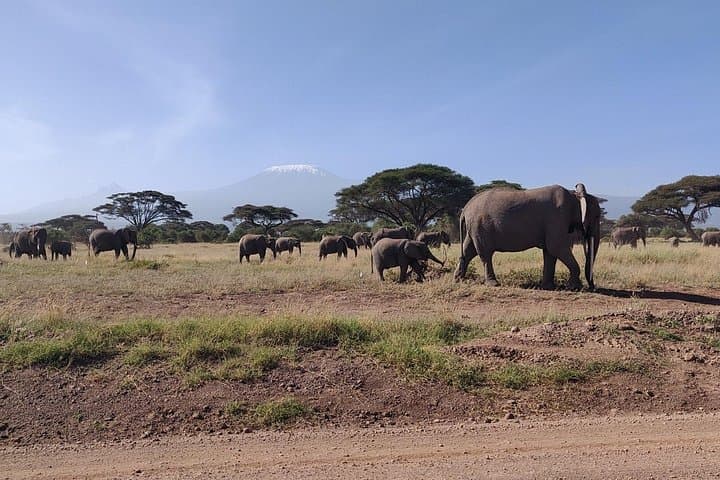
Dawn breaks over flat, pale pans and the silhouette of Mount Kilimanjaro reappears like a slow exhale. A column of elephants moves across the open plain — large-tusked matriarchs leading jittery calves across the swampy salt flats — while the sky brightens and the air sharpens. The landscape here is direct: open grassland, scattered acacia, and broad, sodden wetlands that pull migratory birds like magnets.
Dawn breaks over flat, pale pans and the silhouette of Mount Kilimanjaro reappears like a slow exhale. A column of elephants moves across the open plain — large-tusked matriarchs leading jittery calves across the swampy salt flats — while the sky brightens and the air sharpens. The landscape here is direct: open grassland, scattered acacia, and broad, sodden wetlands that pull migratory birds like magnets.
Amboseli sits at the foot of Kilimanjaro and occupies a geological low in the East African Rift; seasonal swamps and volcanic ash plains shape visibility and movement. The park’s human story runs alongside this: Maasai families graze livestock at the park edge and maintain cultural ties to the land. Amboseli’s claim to fame is wildlife visibility — famously large tuskers, more than 40 lions in various prides, cheetahs, hyena clans, hippos in permanent swamp pockets, and more than 350 recorded bird species.
On an overnight trip expect two main game-drive windows: late afternoon into dusk and first-light morning patrols when predators and elephants are most active. Lodging ranges from tented camps to permanent lodges; meals are often included. Roads can be dusty and bumpy; a 4–5 hour drive from Nairobi is common, so plan transfers accordingly.
Practical tips: bring a long-lens camera and binoculars, layer for cool mornings and hot afternoons, and carry insect repellent. Respect park rules and Maasai lands at the boundaries, and set aside early mornings for the clearest Kilimanjaro panoramas and the best wildlife encounters.