THE ADVENTURE COLLECTIVE® · Independent discovery and booking for outdoor travel

Spend two nights inside Chitwan National Park with jeep and walking safaris, a jungle tower night watch, and a Rapti riverboat at dawn. This practical three-day package pairs experienced local guides with wildlife-focused timing to maximize sightings while minimizing impact.
Spend two nights inside Chitwan National Park with jeep and walking safaris, a jungle tower night watch, and a Rapti riverboat at dawn. This practical three-day package pairs experienced local guides with wildlife-focused timing to maximize sightings while minimizing impact.
The river’s edge is low light and the jungle answers in calls: bulbous hornbills, the distant grunt of a deer, and, if you’re lucky, the rasping exhale of a one-horned rhinoceros moving through tall grass. This two-night, three-day package centers on after-dark wildlife activity — jeep and walking safaris by day, a dawn or dusk boat on the Rapti, and a night at a jungle tower where animals come into sharp relief against the sky.
Verified experiences and guided adventures in the surrounding area.
Operated by Nepal Wildlife Tour · Sauraha, Bagmati Province
The river’s edge is low light and the jungle answers in calls: bulbous hornbills, the distant grunt of a deer, and, if you’re lucky, the rasping exhale of a one-horned rhinoceros moving through tall grass. This two-night, three-day package centers on after-dark wildlife activity — jeep and walking safaris by day, a dawn or dusk boat on the Rapti, and a night at a jungle tower where animals come into sharp relief against the sky.
Chitwan National Park was Nepal’s first national park (established 1973) and a UNESCO World Heritage Site that protects Terai plains, riverine forests, and oxbow lakes carved by monsoon-fed rivers. The land is flat but hydrologically complex; seasonal floods rearrange channels and salt deposits, shaping where mammals and migratory birds congregate. The Terai’s indigenous Tharu communities maintain cultural ties to the floodplain and offer local knowledge — guides often identify birds by call and read recent tracks like a map.
Practical guidance: pack insect protection, lightweight rain gear, and binoculars. Safaris range from easy walks to bumpy jeep rides; follow guide instructions on flash photography and safe distances. Morning and late afternoon are most active for wildlife and most comfortable for visitors. Bring cash for park fees and local tips; mobile reception is intermittent. The stay is low-impact but immersive — expect close encounters rather than guaranteed sightings, and plan timing (dawn/dusk) to maximize quiet wildlife hours.
No; guides maximize your chances by using known corridors and timing, but wildlife sightings depend on animal movement and season.
The standard package includes guided jeep and walking safaris, jungle tower stay, local guide services, and pickup transportation—confirm exact inclusions with the operator.
The tour is generally easy, but not recommended for travelers with serious back or heart problems; infants must sit on laps per operator rules.
Bring local currency (Nepali rupees) for park entrance fees and tipping guides; cards and ATMs may be limited in Sauraha.
Nepal Wildlife Tour operates guided outdoor trips and adventures with an emphasis on safety, stewardship, and memorable experiences.
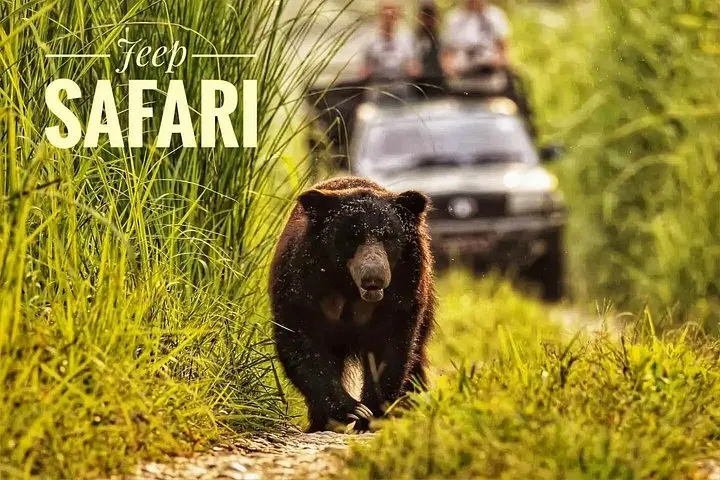
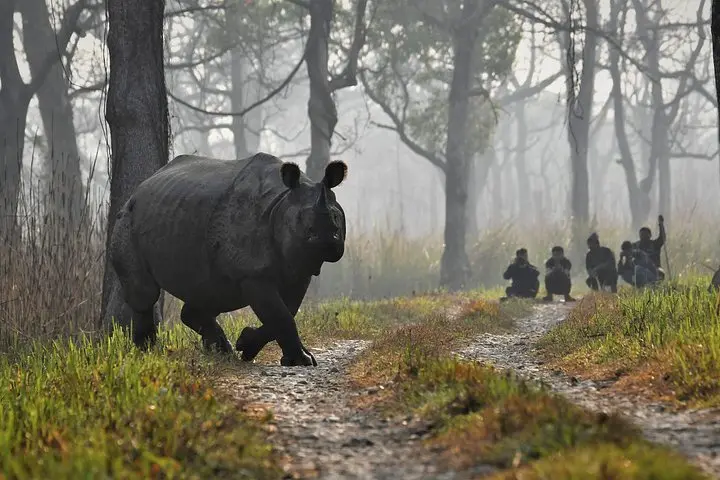
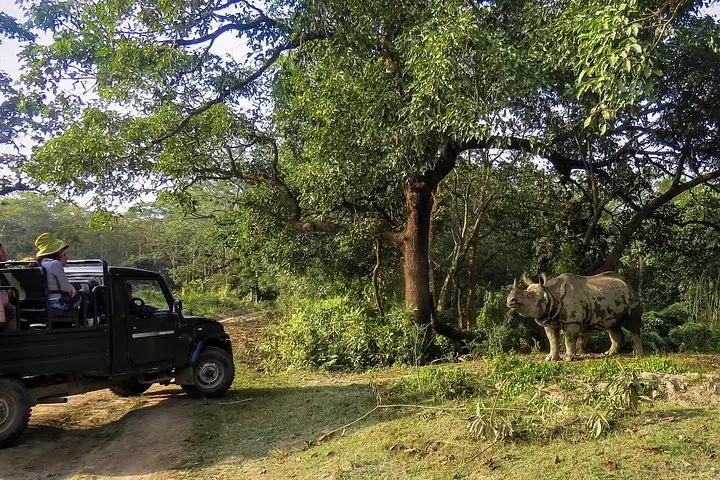
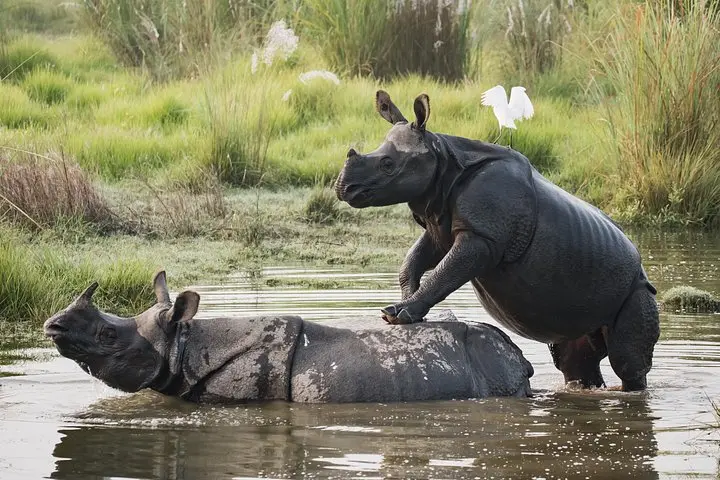
The river’s edge is low light and the jungle answers in calls: bulbous hornbills, the distant grunt of a deer, and, if you’re lucky, the rasping exhale of a one-horned rhinoceros moving through tall grass. This two-night, three-day package centers on after-dark wildlife activity — jeep and walking safaris by day, a dawn or dusk boat on the Rapti, and a night at a jungle tower where animals come into sharp relief against the sky.
The river’s edge is low light and the jungle answers in calls: bulbous hornbills, the distant grunt of a deer, and, if you’re lucky, the rasping exhale of a one-horned rhinoceros moving through tall grass. This two-night, three-day package centers on after-dark wildlife activity — jeep and walking safaris by day, a dawn or dusk boat on the Rapti, and a night at a jungle tower where animals come into sharp relief against the sky.
Chitwan National Park was Nepal’s first national park (established 1973) and a UNESCO World Heritage Site that protects Terai plains, riverine forests, and oxbow lakes carved by monsoon-fed rivers. The land is flat but hydrologically complex; seasonal floods rearrange channels and salt deposits, shaping where mammals and migratory birds congregate. The Terai’s indigenous Tharu communities maintain cultural ties to the floodplain and offer local knowledge — guides often identify birds by call and read recent tracks like a map.
Practical guidance: pack insect protection, lightweight rain gear, and binoculars. Safaris range from easy walks to bumpy jeep rides; follow guide instructions on flash photography and safe distances. Morning and late afternoon are most active for wildlife and most comfortable for visitors. Bring cash for park fees and local tips; mobile reception is intermittent. The stay is low-impact but immersive — expect close encounters rather than guaranteed sightings, and plan timing (dawn/dusk) to maximize quiet wildlife hours.