THE ADVENTURE COLLECTIVE® · Independent discovery and booking for outdoor travel

Spend a night under Saharan stars at Erg Chebbi: camel treks across wind-sculpted dunes, Bedouin meals and tea, and an overnight in a traditional tent. This short, low-impact immersion pairs simple comforts with stark desert beauty.
Spend a night under Saharan stars at Erg Chebbi: camel treks across wind-sculpted dunes, Bedouin meals and tea, and an overnight in a traditional tent. This short, low-impact immersion pairs simple comforts with stark desert beauty.
You crest a ripple of sand and the desert opens—an ocean of ochre waves under a vast sky. Wind-carved ridges rise and fall like slow breaths; the dunes of Erg Chebbi lean and shift as if the landscape itself is walking. A single caravan of camels threads along the skyline, their silhouettes steady against the late light.
Verified experiences and guided adventures in the surrounding area.
Operated by Merzouga Desert · Merzouga, Draa-Tafilalet
You crest a ripple of sand and the desert opens—an ocean of ochre waves under a vast sky. Wind-carved ridges rise and fall like slow breaths; the dunes of Erg Chebbi lean and shift as if the landscape itself is walking. A single caravan of camels threads along the skyline, their silhouettes steady against the late light.
Erg Chebbi sits at the eastern edge of Morocco’s Sahara near Merzouga, a sea of sand formed by millennia of wind and fluvial deposits from the Atlas runoff. The area has been a crossroads for nomadic Berber and Bedouin communities and for caravan routes that once ferried salt and spices across North Africa. Traditions of tea, music, and storytelling persist in the desert camps that now host visitors.
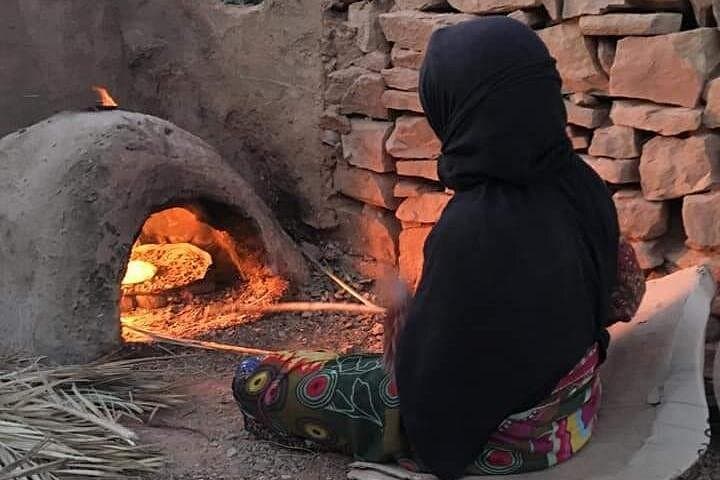
Expect a slow, tactile day: a camel trek across soft dunes, a sunset that deepens sand colors to copper and purple, mint tea beside a low fire, and an overnight in a traditional Berber tent. Nights are sharply cold; the stars dominate where city lights cannot reach. Guides share local songs and practical desert knowledge—how to read a mirage, where to find a nomad well, and why the dunes move seasonally.
Practical notes: arrive via Merzouga, bring layered clothing for hot days and cold nights, sun protection, and plenty of water. Mobility is moderate—climbing on and off camels and walking in deep sand is the main effort. Respect camp rules about fires and waste; the ecosystem is fragile. With basic preparation, an Erg Chebbi overnight is an immediate, low-impact way to experience Bedouin hospitality and the slow authority of the Sahara.
Typical camel treks around Erg Chebbi for an overnight are 1–2 hours each way across dunes—longer routes can be arranged with guides.
Camps use traditional Berber tents with mattresses and blankets; expect basic but clean accommodations and optional additional bedding on cold nights.
Yes—operators mark the activity as suitable for all fitness levels, but mounting camels and walking in sand may be challenging for some; mention mobility needs when booking.
Facilities are basic: communal dining, pit or simple toilet setups, and no running water in tents; bring personal toiletries and biodegradable products.
Merzouga Desert operates guided outdoor trips and adventures with an emphasis on safety, stewardship, and memorable experiences.


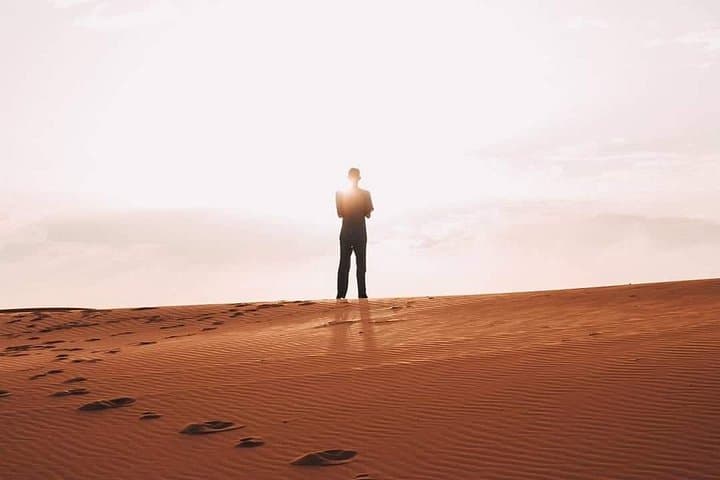
You crest a ripple of sand and the desert opens—an ocean of ochre waves under a vast sky. Wind-carved ridges rise and fall like slow breaths; the dunes of Erg Chebbi lean and shift as if the landscape itself is walking. A single caravan of camels threads along the skyline, their silhouettes steady against the late light.
You crest a ripple of sand and the desert opens—an ocean of ochre waves under a vast sky. Wind-carved ridges rise and fall like slow breaths; the dunes of Erg Chebbi lean and shift as if the landscape itself is walking. A single caravan of camels threads along the skyline, their silhouettes steady against the late light.
Erg Chebbi sits at the eastern edge of Morocco’s Sahara near Merzouga, a sea of sand formed by millennia of wind and fluvial deposits from the Atlas runoff. The area has been a crossroads for nomadic Berber and Bedouin communities and for caravan routes that once ferried salt and spices across North Africa. Traditions of tea, music, and storytelling persist in the desert camps that now host visitors.
Expect a slow, tactile day: a camel trek across soft dunes, a sunset that deepens sand colors to copper and purple, mint tea beside a low fire, and an overnight in a traditional Berber tent. Nights are sharply cold; the stars dominate where city lights cannot reach. Guides share local songs and practical desert knowledge—how to read a mirage, where to find a nomad well, and why the dunes move seasonally.
Practical notes: arrive via Merzouga, bring layered clothing for hot days and cold nights, sun protection, and plenty of water. Mobility is moderate—climbing on and off camels and walking in deep sand is the main effort. Respect camp rules about fires and waste; the ecosystem is fragile. With basic preparation, an Erg Chebbi overnight is an immediate, low-impact way to experience Bedouin hospitality and the slow authority of the Sahara.