THE ADVENTURE COLLECTIVE® · Independent discovery and booking for outdoor travel

Spend a night at Sirena Ranger Station deep inside Corcovado National Park on a 2-day guided trek from Puerto Jiménez. Hike roughly 21 km through lowland rainforest, watch for big wildlife, and sleep in shared bunks under mosquito nets.
Spend a night at Sirena Ranger Station deep inside Corcovado National Park on a 2-day guided trek from Puerto Jiménez. Hike roughly 21 km through lowland rainforest, watch for big wildlife, and sleep in shared bunks under mosquito nets.
Dawn in Puerto Jiménez tastes of diesel and thick rainforest air. Guides meet before first light, and a shared transfer deposits you at Carate Beach where the trail swallows the coast and the jungle presses close. Footsteps quickly vanish under a canopy that shifts from bright bromeliads to dark, dripping understory; at night the forest takes on a different voice—rustling, insect choruses, and distant calls from nocturnal mammals.
Verified experiences and guided adventures in the surrounding area.
Operated by Agencia de Viajes Costa Rica te Enamora · Puerto Jiménez, Puntarenas
Dawn in Puerto Jiménez tastes of diesel and thick rainforest air. Guides meet before first light, and a shared transfer deposits you at Carate Beach where the trail swallows the coast and the jungle presses close. Footsteps quickly vanish under a canopy that shifts from bright bromeliads to dark, dripping understory; at night the forest takes on a different voice—rustling, insect choruses, and distant calls from nocturnal mammals.
Corcovado National Park, created in 1975 on Costa Rica’s Osa Peninsula, protects some of the planet’s most intact lowland Pacific rainforest. Geologically young and shaped by volcanic soils and coastal plains, the terrain is mostly low elevation with steep drainage gullies and braided streams that demand careful footwork. The Sirena Ranger Station serves as a central research and patrol hub and has limited bunk accommodations—book well in advance.
Expect about 21 km of hiking on the first day from Carate via La Leona to Sirena, with muddy sections, exposed roots, and river crossings that grow more dramatic after rain. Wildlife viewing is the draw: scarlet macaws cutting color through the canopy, tapirs moving like deliberate ghosts, and troops of monkeys testing branches above.
Practical edge: pack a waterproof pack cover, a reliable headlamp, and lightweight layers that dry quickly. Bring snacks and an extra water treatment method—the park’s facilities are basic but provide mosquito nets and shared bunks. Guides carry park permits and know river conditions; your pace will be dictated by trail conditions and animal sightings. Timing trips in the dry season reduces mud, but evenings bring their own magic and animal activity regardless of calendar.
The main route from Carate to Sirena covers roughly 21 km; expect a full day of hiking (6–10 hours) depending on conditions and wildlife stops.
Accommodations are shared park bunks (camarotes) with sheets and mosquito nets provided; space is limited so reservations are required well in advance.
Yes—visiting Sirena requires an authorized guide and park admission; the tour operator handles permits as part of the booking.
Not recommended for pregnant travelers or those with significant cardiovascular issues; children should be experienced with long hikes and rough terrain.
Agencia de Viajes Costa Rica te Enamora operates guided outdoor trips and adventures with an emphasis on safety, stewardship, and memorable experiences.
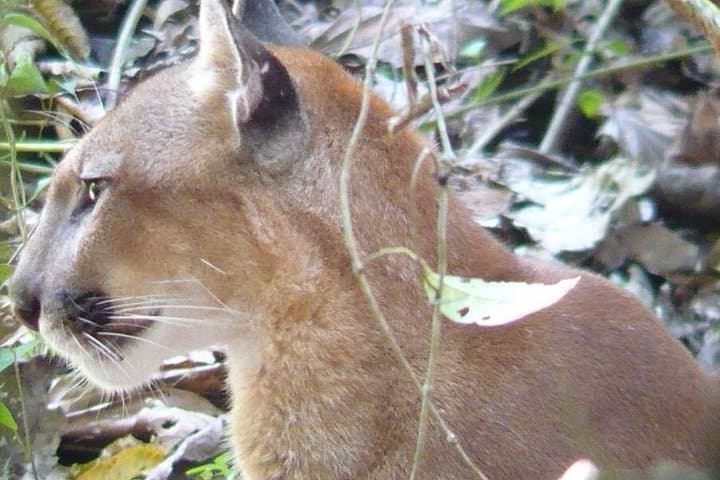


Dawn in Puerto Jiménez tastes of diesel and thick rainforest air. Guides meet before first light, and a shared transfer deposits you at Carate Beach where the trail swallows the coast and the jungle presses close. Footsteps quickly vanish under a canopy that shifts from bright bromeliads to dark, dripping understory; at night the forest takes on a different voice—rustling, insect choruses, and distant calls from nocturnal mammals.
Dawn in Puerto Jiménez tastes of diesel and thick rainforest air. Guides meet before first light, and a shared transfer deposits you at Carate Beach where the trail swallows the coast and the jungle presses close. Footsteps quickly vanish under a canopy that shifts from bright bromeliads to dark, dripping understory; at night the forest takes on a different voice—rustling, insect choruses, and distant calls from nocturnal mammals.
Corcovado National Park, created in 1975 on Costa Rica’s Osa Peninsula, protects some of the planet’s most intact lowland Pacific rainforest. Geologically young and shaped by volcanic soils and coastal plains, the terrain is mostly low elevation with steep drainage gullies and braided streams that demand careful footwork. The Sirena Ranger Station serves as a central research and patrol hub and has limited bunk accommodations—book well in advance.
Expect about 21 km of hiking on the first day from Carate via La Leona to Sirena, with muddy sections, exposed roots, and river crossings that grow more dramatic after rain. Wildlife viewing is the draw: scarlet macaws cutting color through the canopy, tapirs moving like deliberate ghosts, and troops of monkeys testing branches above.
Practical edge: pack a waterproof pack cover, a reliable headlamp, and lightweight layers that dry quickly. Bring snacks and an extra water treatment method—the park’s facilities are basic but provide mosquito nets and shared bunks. Guides carry park permits and know river conditions; your pace will be dictated by trail conditions and animal sightings. Timing trips in the dry season reduces mud, but evenings bring their own magic and animal activity regardless of calendar.