THE ADVENTURE COLLECTIVE® · Independent discovery and booking for outdoor travel

Drive from Delhi into the Pink City for a focused two-day private tour of Jaipur’s highlights: Hawa Mahal, Amber Fort, Jantar Mantar and the Galtaji Monkey Temple. Learn the practical logistics — drive times, terrain and timing — alongside cultural and geological context to plan your visit.
Drive from Delhi into the Pink City for a focused two-day private tour of Jaipur’s highlights: Hawa Mahal, Amber Fort, Jantar Mantar and the Galtaji Monkey Temple. Learn the practical logistics — drive times, terrain and timing — alongside cultural and geological context to plan your visit.
The highway unfurls before the van as dawn loosens over northern India — a long ribbon of tar that pushes travelers from the bustle of New Delhi toward the warm ochres and pastel facades of Jaipur. Arrival feels immediate: Hawa Mahal’s latticed windows stare like a folded fan, the Aravalli hills press around the city, and the first courtyard of Amber Fort opens onto stone steps and lake reflections.
Verified experiences and guided adventures in the surrounding area.
Operated by Bagga India Tour · Jaipur, Rajasthan
The highway unfurls before the van as dawn loosens over northern India — a long ribbon of tar that pushes travelers from the bustle of New Delhi toward the warm ochres and pastel facades of Jaipur. Arrival feels immediate: Hawa Mahal’s latticed windows stare like a folded fan, the Aravalli hills press around the city, and the first courtyard of Amber Fort opens onto stone steps and lake reflections.
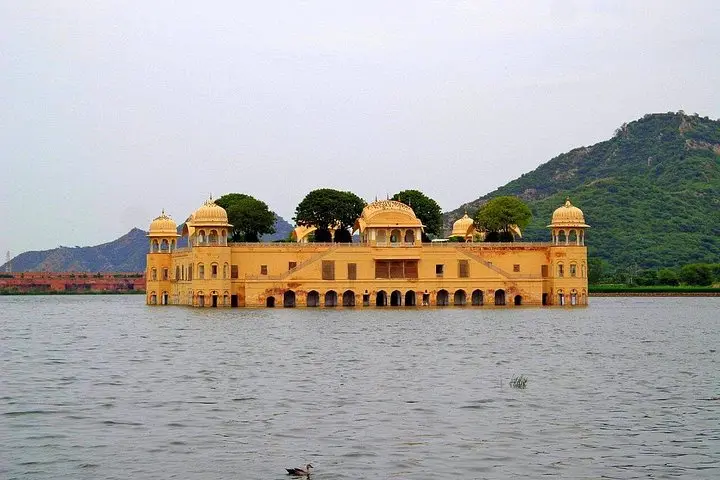
Jaipur was founded in 1727 by Maharaja Sawai Jai Singh II as one of India’s earliest planned cities; its grid layout and signature pink plaster in the old city were meant to impress and regulate life. The tour threads history and science — Jantar Mantar’s massive sundials, Jaigarh’s artillery and red-sandstone walls, the water-palace of Jal Mahal sitting low in Man Sagar Lake, and Galtaji’s series of kunds fed by an enduring spring. Geologically, the ancient Aravalli range frames the skyline and keeps the city anchored to a ridge-turned-backdrop.
Practicalities matter: the roundtrip drive from Delhi is roughly 4–5 hours each way (≈270 km) with an overnight in Jaipur; elevation is about 430 m. Expect cobbled fort approaches, uneven steps and narrow bazaar lanes — comfortable closed-toe shoes and sun protection are non-negotiable. The tour’s private vehicle and hotel transfers reduce logistical friction, but book the entrance-fees option if you want admissions included and plan early starts to avoid midday heat and crowds. Carry refillable water, modest clothing for temples, and small cash for markets; pace the sightseeing so forts and observatories are explored with enough light to read the carved stone and savor the city’s color.
Entrance fees are included only if you select the tour option that adds monument admissions; check your booking details or confirm with the operator before travel.
Plan on roughly 4–5 hours each way depending on traffic — the distance is about 260–280 km via the NH48 corridor.
Yes — it’s classified as easy and private transfers reduce strain, but participants should be prepared for walking on uneven surfaces and stairs at forts and observatories.
Guides typically point out reputable shops and can advise on bargaining, but purchases and haggling are up to the traveler; some shops accept cards, while small vendors prefer cash.
Bagga India Tour operates guided outdoor trips and adventures with an emphasis on safety, stewardship, and memorable experiences.
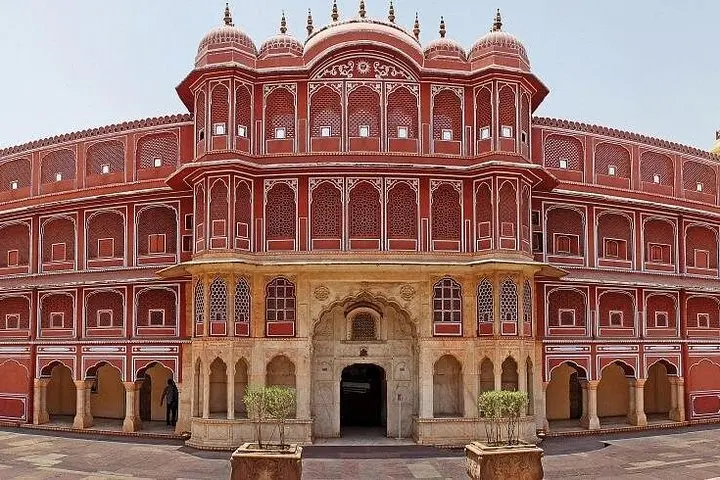
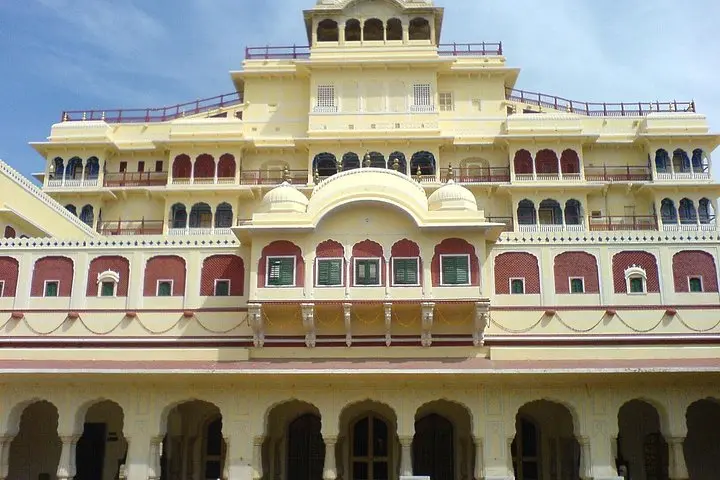
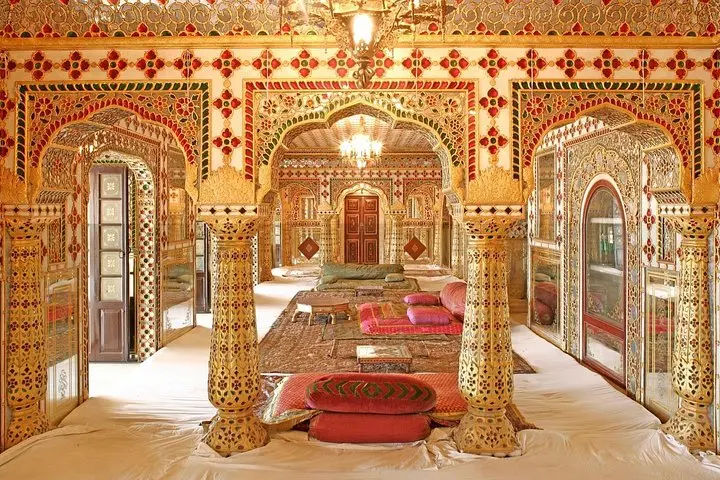
The highway unfurls before the van as dawn loosens over northern India — a long ribbon of tar that pushes travelers from the bustle of New Delhi toward the warm ochres and pastel facades of Jaipur. Arrival feels immediate: Hawa Mahal’s latticed windows stare like a folded fan, the Aravalli hills press around the city, and the first courtyard of Amber Fort opens onto stone steps and lake reflections.
The highway unfurls before the van as dawn loosens over northern India — a long ribbon of tar that pushes travelers from the bustle of New Delhi toward the warm ochres and pastel facades of Jaipur. Arrival feels immediate: Hawa Mahal’s latticed windows stare like a folded fan, the Aravalli hills press around the city, and the first courtyard of Amber Fort opens onto stone steps and lake reflections.
Jaipur was founded in 1727 by Maharaja Sawai Jai Singh II as one of India’s earliest planned cities; its grid layout and signature pink plaster in the old city were meant to impress and regulate life. The tour threads history and science — Jantar Mantar’s massive sundials, Jaigarh’s artillery and red-sandstone walls, the water-palace of Jal Mahal sitting low in Man Sagar Lake, and Galtaji’s series of kunds fed by an enduring spring. Geologically, the ancient Aravalli range frames the skyline and keeps the city anchored to a ridge-turned-backdrop.
Practicalities matter: the roundtrip drive from Delhi is roughly 4–5 hours each way (≈270 km) with an overnight in Jaipur; elevation is about 430 m. Expect cobbled fort approaches, uneven steps and narrow bazaar lanes — comfortable closed-toe shoes and sun protection are non-negotiable. The tour’s private vehicle and hotel transfers reduce logistical friction, but book the entrance-fees option if you want admissions included and plan early starts to avoid midday heat and crowds. Carry refillable water, modest clothing for temples, and small cash for markets; pace the sightseeing so forts and observatories are explored with enough light to read the carved stone and savor the city’s color.