THE ADVENTURE COLLECTIVE® · Independent discovery and booking for outdoor travel

A focused two-day overnight from Cairo by flight puts Karnak, Luxor Temple, the Valley of the Kings, Hatshepsut, Dendera and Medinet Habu within reach. Expect full days of archaeology, short domestic flights, one night in Luxor, and a steady rhythm of guided exploration.
A focused two-day overnight from Cairo by flight puts Karnak, Luxor Temple, the Valley of the Kings, Hatshepsut, Dendera and Medinet Habu within reach. Expect full days of archaeology, short domestic flights, one night in Luxor, and a steady rhythm of guided exploration.
You step off the short domestic flight and the Nile’s quiet current seems to pull the heat and history together — papyrus fronds bristle along the river, and a low desert wind brushes the edge of ancient stone.
Verified experiences and guided adventures in the surrounding area.
Operated by This is Egypt Tours · Luxor, Luxor Governorate
You step off the short domestic flight and the Nile’s quiet current seems to pull the heat and history together — papyrus fronds bristle along the river, and a low desert wind brushes the edge of ancient stone.
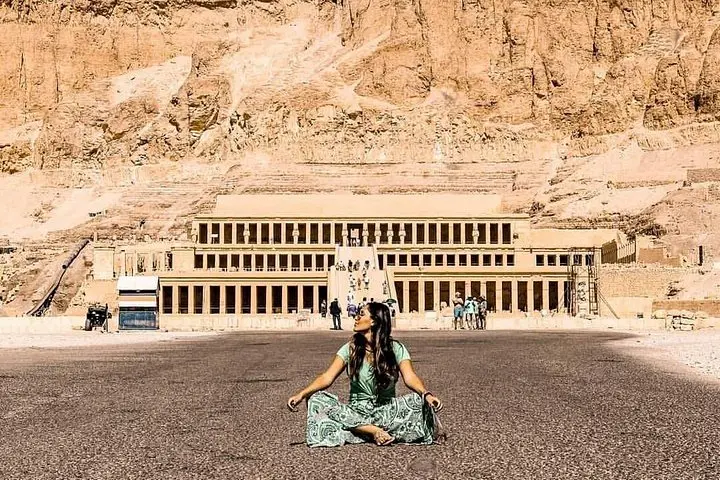
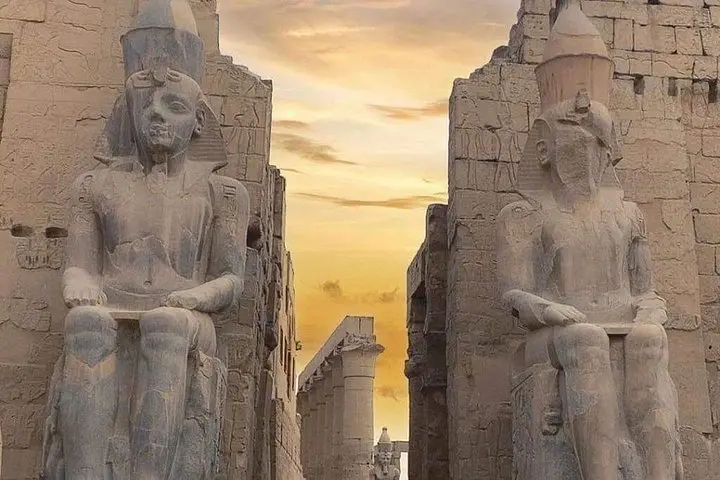
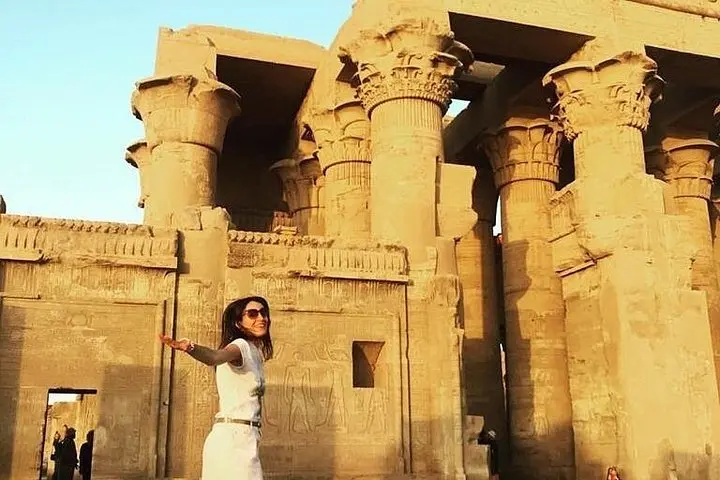
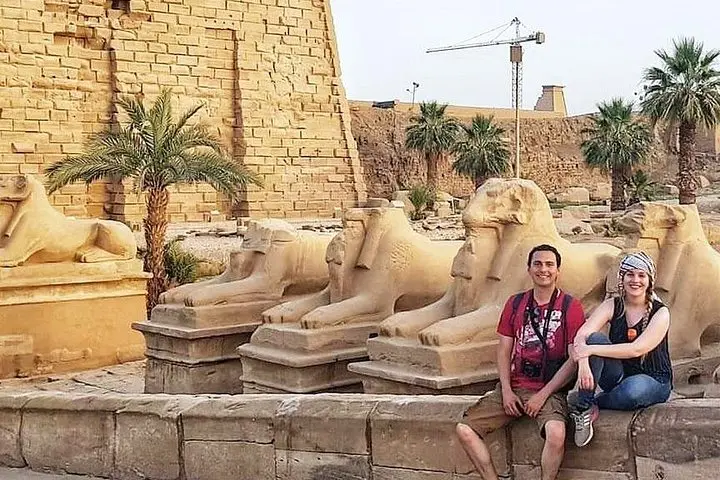
This two-day, private overnight tour moves fast: morning flights from Cairo deliver you to Luxor’s compact archaeological heart where Karnak’s hypostyle hall and the ritual avenues of sphinxes dominate the landscape. On the west bank, the Valley of the Kings cuts into limestone with tombs carved deep for pharaohs; Hatshepsut’s terraced mortuary temple rises from the plain like a stepped promise. Day two extends 80 km north to Dendera’s well-preserved Temple of Hathor and returns via Medinet Habu, Ramesses III’s richly inscribed mortuary complex.
Geologically, Luxor sits where the Nile’s alluvial plain meets the limestone escarpment — a sharp edge that made the west bank ideal for tomb-building. Culturally, Thebes (modern Luxor) was Egypt’s New Kingdom capital; the monuments map dynasties, rituals, and royal economics.
Practical guidance: expect uneven surfaces, carved stairways, and floor-to-ceiling sun. The itinerary includes domestic flights, entrance fees, one night B&B, meals listed, bottled water, and private guiding. Bring sun protection, comfortable walking shoes with grip, a refillable bottle, and a camera with spare battery. Early mornings or late afternoons are best for photography and cooler light. Respect signage in tombs: no flash where prohibited and avoid touching painted reliefs. The schedule is full but achievable — come prepared to trade pace for concentrated access to Egypt’s most concentrated archaeology.
Yes — the tour notes that entrance fees to listed sights are included in the package price.
One night B&B is provided at Ibrotel Luxor or a similar-category hotel before returning to Cairo by flight.
The tour is described as suitable for all fitness levels, but expect steps and uneven terrain at many sites; wheelchair accessibility is listed for transport and some surfaces, so check specific site access with the operator.
Bring passport details and ensure passport validity; you must enter passport number, nationality and expiry at booking and may need a valid visa for Egypt depending on nationality.
This is Egypt Tours operates guided outdoor trips and adventures with an emphasis on safety, stewardship, and memorable experiences.
You step off the short domestic flight and the Nile’s quiet current seems to pull the heat and history together — papyrus fronds bristle along the river, and a low desert wind brushes the edge of ancient stone.
You step off the short domestic flight and the Nile’s quiet current seems to pull the heat and history together — papyrus fronds bristle along the river, and a low desert wind brushes the edge of ancient stone.
This two-day, private overnight tour moves fast: morning flights from Cairo deliver you to Luxor’s compact archaeological heart where Karnak’s hypostyle hall and the ritual avenues of sphinxes dominate the landscape. On the west bank, the Valley of the Kings cuts into limestone with tombs carved deep for pharaohs; Hatshepsut’s terraced mortuary temple rises from the plain like a stepped promise. Day two extends 80 km north to Dendera’s well-preserved Temple of Hathor and returns via Medinet Habu, Ramesses III’s richly inscribed mortuary complex.
Geologically, Luxor sits where the Nile’s alluvial plain meets the limestone escarpment — a sharp edge that made the west bank ideal for tomb-building. Culturally, Thebes (modern Luxor) was Egypt’s New Kingdom capital; the monuments map dynasties, rituals, and royal economics.
Practical guidance: expect uneven surfaces, carved stairways, and floor-to-ceiling sun. The itinerary includes domestic flights, entrance fees, one night B&B, meals listed, bottled water, and private guiding. Bring sun protection, comfortable walking shoes with grip, a refillable bottle, and a camera with spare battery. Early mornings or late afternoons are best for photography and cooler light. Respect signage in tombs: no flash where prohibited and avoid touching painted reliefs. The schedule is full but achievable — come prepared to trade pace for concentrated access to Egypt’s most concentrated archaeology.