THE ADVENTURE COLLECTIVE® · Independent discovery and booking for outdoor travel

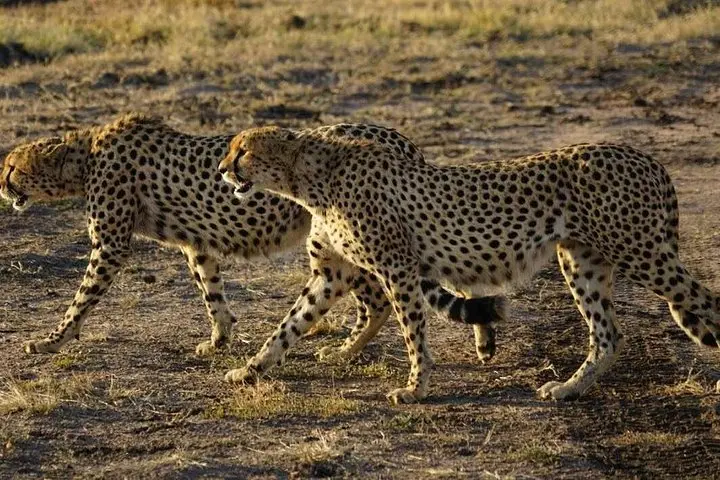
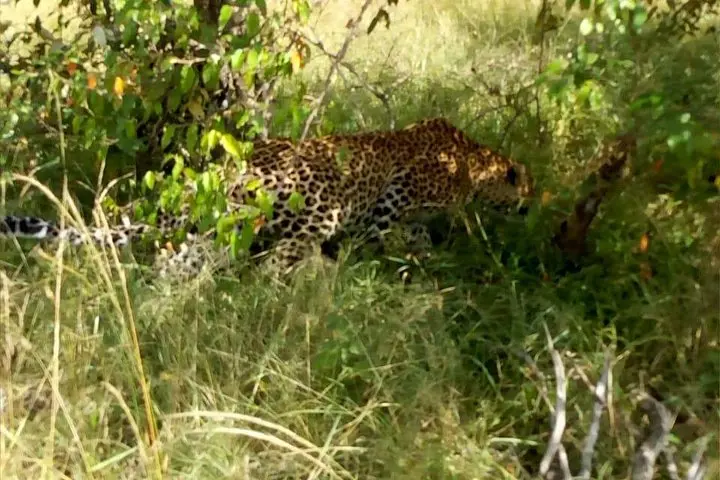
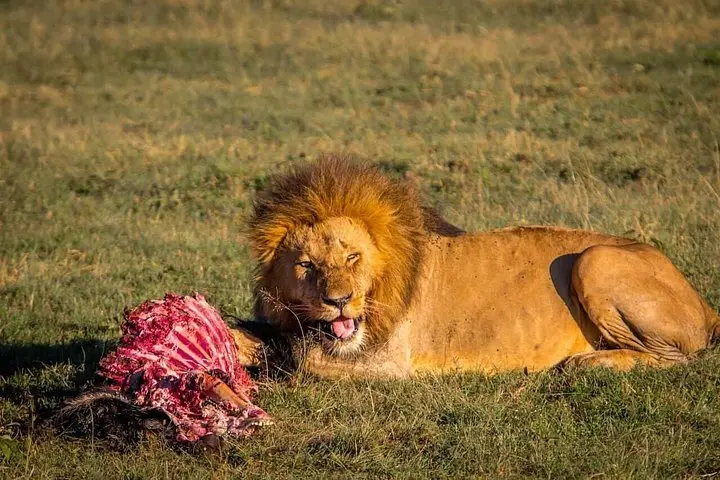
Two days of game drives, river crossings and lodge stays in the Masai Mara offer concentrated access to the Great Migration and resident big cats. Expect early starts, dusty roads, and world-class wildlife viewing with experienced guides.
Two days of game drives, river crossings and lodge stays in the Masai Mara offer concentrated access to the Great Migration and resident big cats. Expect early starts, dusty roads, and world-class wildlife viewing with experienced guides.
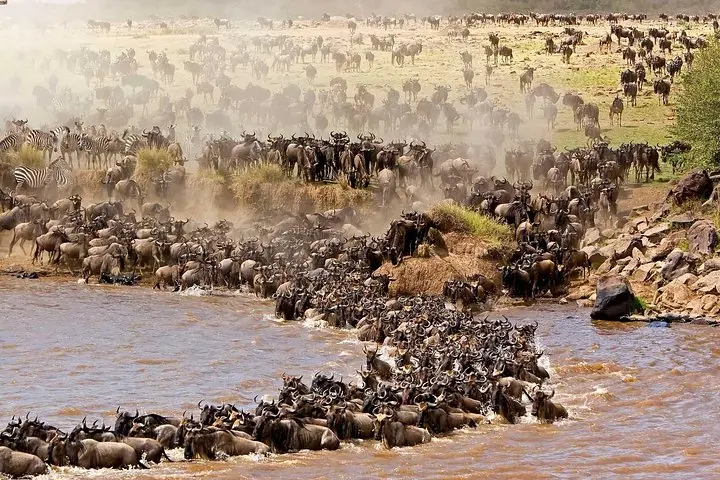
Dawn breaks over a wide, grass-swept plain and the engine hums as a 4x4 slides into the red dust of the Masai Mara. Early light ignites zebra stripes and the distant shapes of grazing wildebeest; the Mara River gleams like a ribbon that dares the herds to cross. This two-day route moves from the Rift Valley escarpment into one of Africa’s most iconic reserves, where game drives thin the boundary between observer and wild.
Verified experiences and guided adventures in the surrounding area.
Operated by kenya safari bookings · Narok, Narok County
Dawn breaks over a wide, grass-swept plain and the engine hums as a 4x4 slides into the red dust of the Masai Mara. Early light ignites zebra stripes and the distant shapes of grazing wildebeest; the Mara River gleams like a ribbon that dares the herds to cross. This two-day route moves from the Rift Valley escarpment into one of Africa’s most iconic reserves, where game drives thin the boundary between observer and wild.
The Mara occupies the southwestern edge of the Serengeti ecosystem—ancient volcanic soils give way to open savanna and rocky kopjes that offer vantage points for predators. The Maasai people have lived alongside these plains for generations; their cultural presence remains visible at village visits and in local conservancy partnerships that balance grazing, tourism, and protection of migratory corridors.
Travelers can expect full-day game drives, lodge accommodation, and meals as outlined in the itinerary, plus a chance—season permitting—to witness the great wildebeest migration at river crossing points swollen with crocodiles.
Practical guidance: travel light but prepared—bring binoculars, a neutral-colored jacket for mornings, sun protection, and a refillable water bottle. Morning and evening drives are coolest; mid-day can be hot and dusty so plan naps or lodge downtime. Vehicles are typical safari 4x4s with pop-up roofs; pack medications, malaria precautions, and photocopies of documents. Respect distance rules around wildlife and follow your guide’s instructions—lions and elephants will test speed and patience alike.
With a modest level of fitness and a readiness for early starts, this overnight safari is compact, high-impact, and focused on wildlife viewing and cultural contact.
The Mara sees the peak river crossings typically from July to October, though timing shifts year to year depending on rains.
Yes—consult a travel health clinic for prophylaxis; also use insect repellent and a long-sleeve layer at night.
Lodges and tented camps vary from basic to luxury; this itinerary includes lodge accommodation (Mara Ntulele Camp) with meals as listed.
The tour notes wheelchair-accessible transport and areas, but game drives involve uneven surfaces and early starts—check with the operator about specific needs.
kenya safari bookings operates guided outdoor trips and adventures with an emphasis on safety, stewardship, and memorable experiences.
Dawn breaks over a wide, grass-swept plain and the engine hums as a 4x4 slides into the red dust of the Masai Mara. Early light ignites zebra stripes and the distant shapes of grazing wildebeest; the Mara River gleams like a ribbon that dares the herds to cross. This two-day route moves from the Rift Valley escarpment into one of Africa’s most iconic reserves, where game drives thin the boundary between observer and wild.
Dawn breaks over a wide, grass-swept plain and the engine hums as a 4x4 slides into the red dust of the Masai Mara. Early light ignites zebra stripes and the distant shapes of grazing wildebeest; the Mara River gleams like a ribbon that dares the herds to cross. This two-day route moves from the Rift Valley escarpment into one of Africa’s most iconic reserves, where game drives thin the boundary between observer and wild.
The Mara occupies the southwestern edge of the Serengeti ecosystem—ancient volcanic soils give way to open savanna and rocky kopjes that offer vantage points for predators. The Maasai people have lived alongside these plains for generations; their cultural presence remains visible at village visits and in local conservancy partnerships that balance grazing, tourism, and protection of migratory corridors.
Travelers can expect full-day game drives, lodge accommodation, and meals as outlined in the itinerary, plus a chance—season permitting—to witness the great wildebeest migration at river crossing points swollen with crocodiles.
Practical guidance: travel light but prepared—bring binoculars, a neutral-colored jacket for mornings, sun protection, and a refillable water bottle. Morning and evening drives are coolest; mid-day can be hot and dusty so plan naps or lodge downtime. Vehicles are typical safari 4x4s with pop-up roofs; pack medications, malaria precautions, and photocopies of documents. Respect distance rules around wildlife and follow your guide’s instructions—lions and elephants will test speed and patience alike.
With a modest level of fitness and a readiness for early starts, this overnight safari is compact, high-impact, and focused on wildlife viewing and cultural contact.