THE ADVENTURE COLLECTIVE® · Independent discovery and booking for outdoor travel

Drive from Salalah across the Qara Mountains to spend a night in a Bedouin camp on the Rub' al Khali (Empty Quarter). Visit the Lost City of Ubar and Wadi Dawkah’s frankincense trees on this two-day desert loop.
Drive from Salalah across the Qara Mountains to spend a night in a Bedouin camp on the Rub' al Khali (Empty Quarter). Visit the Lost City of Ubar and Wadi Dawkah’s frankincense trees on this two-day desert loop.
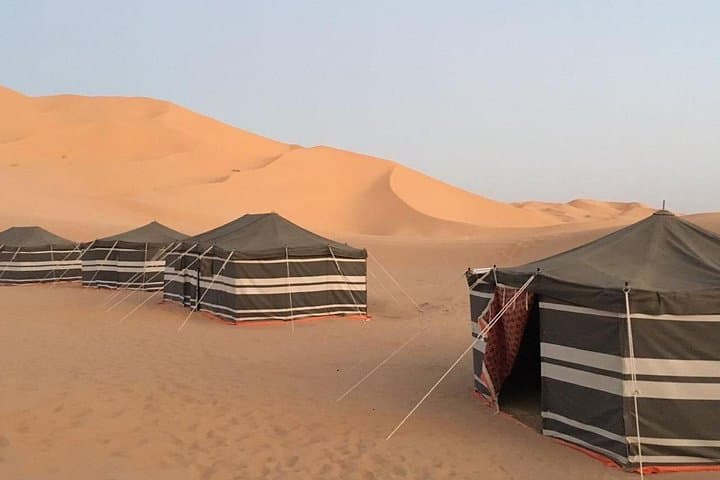
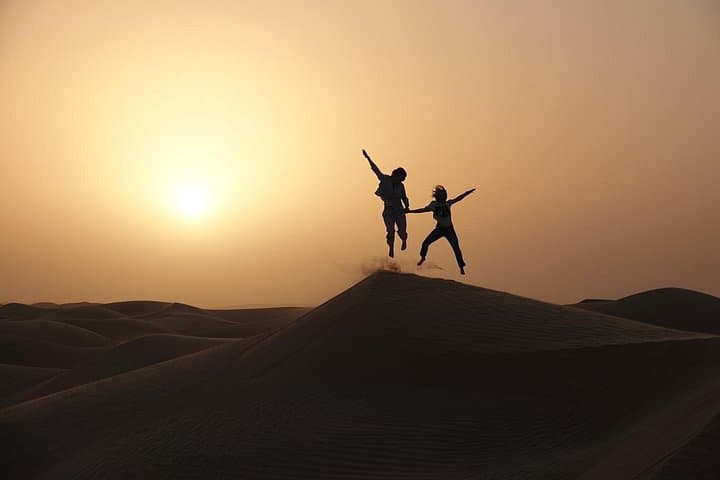
The drive pulls away from Salalah as late afternoon light slides down the Qara Mountains, and suddenly the world opens into a sea of sand. In a 4x4 you crest ridgelines of wind-sculpted dunes, the vehicle’s low rumble keeping time with the desert’s slow breath. By sunset the sand turns copper; a Bedouin camp appears like an island on the horizon and the sky sharpens into a cathedral of stars.
Verified experiences and guided adventures in the surrounding area.
Operated by Beautiful Salalah Tours · Salalah, Dhofar
The drive pulls away from Salalah as late afternoon light slides down the Qara Mountains, and suddenly the world opens into a sea of sand. In a 4x4 you crest ridgelines of wind-sculpted dunes, the vehicle’s low rumble keeping time with the desert’s slow breath. By sunset the sand turns copper; a Bedouin camp appears like an island on the horizon and the sky sharpens into a cathedral of stars.
History and geology are stitched into the route: you pass the archaeological site attributed to Ubar, the so-called Lost City linked to ancient frankincense trade routes and recognized by UNESCO. The Empty Quarter (Rub' al Khali) is the world’s largest sand desert—an erg formed by millennia of wind transport and dune migration. On the return, Wadi Dawkah offers a contrast: a frankincense reserve whose trees mark Dhofar’s cultural and economic past.
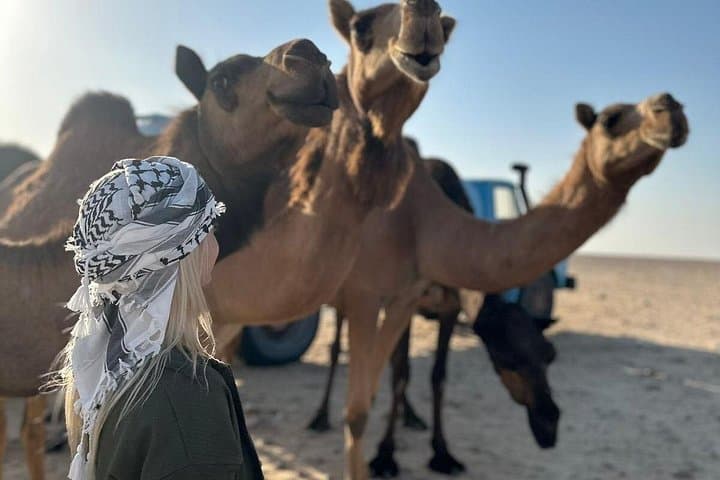
Expect rough 4x4 driving, dune traverses, and basic overnight camp accommodations—traditional-style beds, shared facilities, and communal dinners. Temperatures swing widely; nights can be cool even after hot days. Bring sun protection, eyewear and a scarf for wind-blown sand, and layers for the night. Hydrate before and during the trip; motion on soft sand can be jarring, so travelers with back or heart issues should consult a doctor.
This two-day loop is part natural history lesson, part cultural encounter—ideal for travelers who want a tangible connection to Oman’s desert landscapes without extensive trekking. Timing your visit for cooler months makes the experience more comfortable; regardless, the desert’s scale and silence remain the trip’s quiet, uncompromising draw.
Expect bumpy, sometimes steep dune-driving sections; vehicles are equipped for soft sand but motion can be vigorous—bring medication if you are prone to motion sickness.
Camps are basic—expect shared or simple toilet facilities and limited showering; check with the operator if you require private amenities.
Children may enjoy the novelty but require supervision on dunes and around camp; older travelers should assess mobility and medical conditions due to rough rides and sand walking.
Power at remote camps is limited; bring a power bank. Mobile coverage can be spotty—download maps and photos beforehand.
Beautiful Salalah Tours operates guided outdoor trips and adventures with an emphasis on safety, stewardship, and memorable experiences.

The drive pulls away from Salalah as late afternoon light slides down the Qara Mountains, and suddenly the world opens into a sea of sand. In a 4x4 you crest ridgelines of wind-sculpted dunes, the vehicle’s low rumble keeping time with the desert’s slow breath. By sunset the sand turns copper; a Bedouin camp appears like an island on the horizon and the sky sharpens into a cathedral of stars.
The drive pulls away from Salalah as late afternoon light slides down the Qara Mountains, and suddenly the world opens into a sea of sand. In a 4x4 you crest ridgelines of wind-sculpted dunes, the vehicle’s low rumble keeping time with the desert’s slow breath. By sunset the sand turns copper; a Bedouin camp appears like an island on the horizon and the sky sharpens into a cathedral of stars.
History and geology are stitched into the route: you pass the archaeological site attributed to Ubar, the so-called Lost City linked to ancient frankincense trade routes and recognized by UNESCO. The Empty Quarter (Rub' al Khali) is the world’s largest sand desert—an erg formed by millennia of wind transport and dune migration. On the return, Wadi Dawkah offers a contrast: a frankincense reserve whose trees mark Dhofar’s cultural and economic past.
Expect rough 4x4 driving, dune traverses, and basic overnight camp accommodations—traditional-style beds, shared facilities, and communal dinners. Temperatures swing widely; nights can be cool even after hot days. Bring sun protection, eyewear and a scarf for wind-blown sand, and layers for the night. Hydrate before and during the trip; motion on soft sand can be jarring, so travelers with back or heart issues should consult a doctor.
This two-day loop is part natural history lesson, part cultural encounter—ideal for travelers who want a tangible connection to Oman’s desert landscapes without extensive trekking. Timing your visit for cooler months makes the experience more comfortable; regardless, the desert’s scale and silence remain the trip’s quiet, uncompromising draw.