THE ADVENTURE COLLECTIVE® · Independent discovery and booking for outdoor travel
Spend a night on the Olifants River at a private tented Trails Camp in Greater Kruger. Enjoy guided game drives, a dawn bush walk, chef‑prepared meals, and riverside wildlife viewing under an expansive southern sky.
Spend a night on the Olifants River at a private tented Trails Camp in Greater Kruger. Enjoy guided game drives, a dawn bush walk, chef‑prepared meals, and riverside wildlife viewing under an expansive southern sky.
Dusk slides along the Olifants River and the camp's canvas walls glow faintly by firelight; hippos snort in the dark water and elephants move like slow shadows on the far bank. The Trails Camp places you on a narrow ribbon of riverfront in Greater Kruger where the night is active and the day begins with bird song and the warm smell of coffee.
Verified experiences and guided adventures in the surrounding area.
Operated by My Africa · Hoedspruit, Limpopo
Dusk slides along the Olifants River and the camp's canvas walls glow faintly by firelight; hippos snort in the dark water and elephants move like slow shadows on the far bank. The Trails Camp places you on a narrow ribbon of riverfront in Greater Kruger where the night is active and the day begins with bird song and the warm smell of coffee.
This stretch of the Lowveld sits on ancient sandstone and conglomerates carved by the Olifants over millennia. Human presence here traces from Tsonga and Venda communities to 19th‑century explorers; today private trails guides combine local knowledge with modern conservation practices to read spoor and seasonal river patterns.
Culturally, meals lean on braai and traditional South African fare prepared by a camp chef; stories around the boma link natural history with local livelihoods. Geologically the river corridor supports denser riverine woodland, creating predictable game paths and good viewing for dawn and dusk drives.
Practically, expect a two‑day rhythm: afternoon game drive into long light, riverside dinner, then a guided dawn bush walk followed by breakfast as elephants drink. Guides manage safety and distance; children under 12 don’t walk. Pack breathable layers for cool mornings and sun protection for midday, sturdy walking shoes for sandy banks and termite mounds, and binoculars for birding and distant herds.
This is a moderate, low‑tech overnight: comfort tents and chef‑prepared meals, but real exposure to wildlife and the elements. Timing visits in dry months increases sighting odds; rainy season softens tracks but brings abundant birdlife. For travelers seeking intimate wildlife encounters with a measured touch of luxury, the Olifants tented trail balances adventure and calm.
Children under 12 are not permitted on morning bush walks; families are offered alternative drives for safety.
Comfortable private tented accommodation with chef‑prepared meals and basic amenities; this is a luxury-camp-meets-wilderness setup rather than a hotel.
Sightings are never guaranteed, but the Olifants river corridor is prime habitat for elephants, hippos, buffalo, and often predators—guides maximize your chances on drives and walks.
Kruger is in a malaria risk area—consult your doctor about prophylaxis, use mosquito repellent and nets where provided, and follow guide advice to avoid peak mosquito hours.
My Africa operates guided outdoor trips and adventures with an emphasis on safety, stewardship, and memorable experiences.
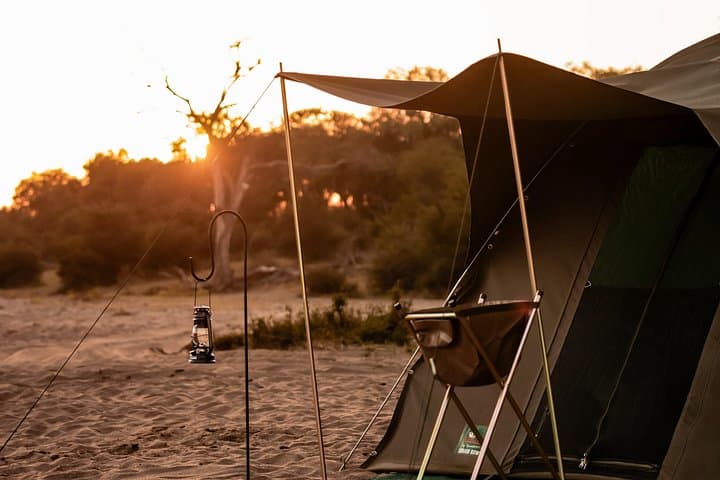
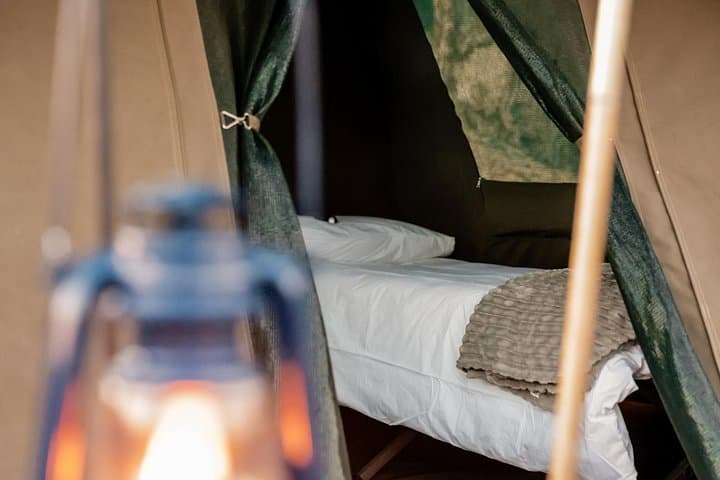
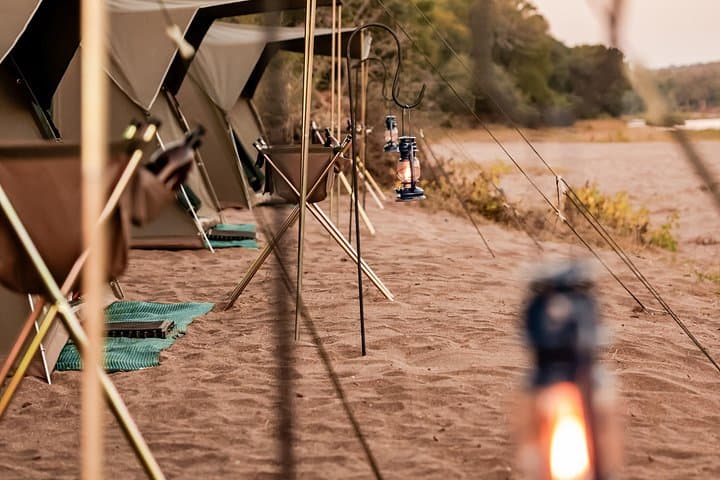

Dusk slides along the Olifants River and the camp's canvas walls glow faintly by firelight; hippos snort in the dark water and elephants move like slow shadows on the far bank. The Trails Camp places you on a narrow ribbon of riverfront in Greater Kruger where the night is active and the day begins with bird song and the warm smell of coffee.
Dusk slides along the Olifants River and the camp's canvas walls glow faintly by firelight; hippos snort in the dark water and elephants move like slow shadows on the far bank. The Trails Camp places you on a narrow ribbon of riverfront in Greater Kruger where the night is active and the day begins with bird song and the warm smell of coffee.
This stretch of the Lowveld sits on ancient sandstone and conglomerates carved by the Olifants over millennia. Human presence here traces from Tsonga and Venda communities to 19th‑century explorers; today private trails guides combine local knowledge with modern conservation practices to read spoor and seasonal river patterns.
Culturally, meals lean on braai and traditional South African fare prepared by a camp chef; stories around the boma link natural history with local livelihoods. Geologically the river corridor supports denser riverine woodland, creating predictable game paths and good viewing for dawn and dusk drives.
Practically, expect a two‑day rhythm: afternoon game drive into long light, riverside dinner, then a guided dawn bush walk followed by breakfast as elephants drink. Guides manage safety and distance; children under 12 don’t walk. Pack breathable layers for cool mornings and sun protection for midday, sturdy walking shoes for sandy banks and termite mounds, and binoculars for birding and distant herds.
This is a moderate, low‑tech overnight: comfort tents and chef‑prepared meals, but real exposure to wildlife and the elements. Timing visits in dry months increases sighting odds; rainy season softens tracks but brings abundant birdlife. For travelers seeking intimate wildlife encounters with a measured touch of luxury, the Olifants tented trail balances adventure and calm.
