
Overnight-Train to Sapa: Muong Hoa Valley Trek and Hill-Tribe Villages
Ride an overnight train from Hanoi and wake to the terraced Muong Hoa Valley—three nights, two days of manageable trekking through Hmong, Tay and Red Dao villages with a hotel night in Sapa town. Expect slippery trails, close village encounters and sweeping mountain views.
An Adventure In Sapa.
Ride an overnight train from Hanoi and wake to the terraced Muong Hoa Valley—three nights, two days of manageable trekking through Hmong, Tay and Red Dao villages with a hotel night in Sapa town. Expect slippery trails, close village encounters and sweeping mountain views.
Read the full experience
You step off the early-morning train into a thin, cool air that smells of wet earth and tea leaves. The road climbs quickly from Lao Cai and the valley opens into stepped rice terraces—green blades layered like staircases climbing the Hoang Lien Son foothills. Local children move along narrow paths; women in embroidered jackets braid hair and weave in open courtyards.
You step off the early-morning train into a thin, cool air that smells of wet earth and tea leaves. The road climbs quickly from Lao Cai and the valley opens into stepped rice terraces—green blades layered like staircases climbing the Hoang Lien Son foothills. Local children move along narrow paths; women in embroidered jackets braid hair and weave in open courtyards.
Sapa sits on the western edge of the Red River Delta, carved from uplifted limestone and schist; the Muong Hoa Valley is a lived-in landscape shaped by centuries of terrace agriculture and French-era trails. The area is home to Hmong, Tay and Red Dao communities whose craftwork and seasonal rituals remain central to village life.
This is a practical, short trekking loop: expect 6–9 km daily on dirt tracks and stone steps with modest elevation changes, possible slippery sections after rain, and close encounters with daily village routines. Walks visit Y Linh Ho, Lao Chai, Ta Van, Cat Cat and Sin Chai—each village offers different vantage points onto Fansipan and the river-lined valley below.
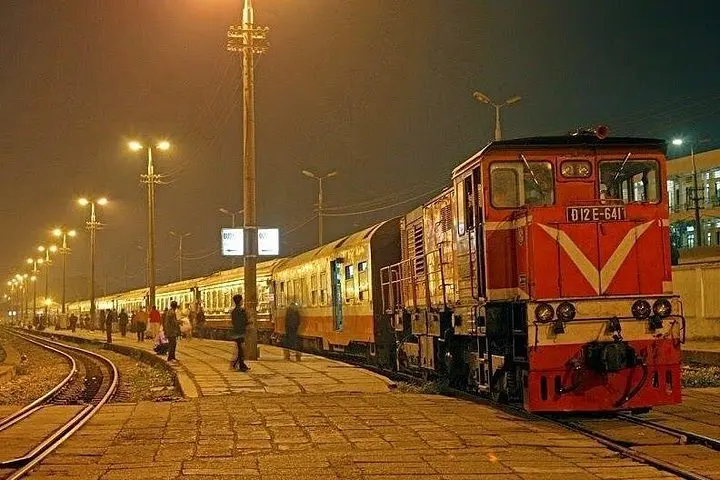
Plan for sudden weather shifts, cash for small purchases, and time windows for trains and shared transfers. The overnight train adds travel-time economy but requires basic sleep planning. Guides handle logistics and local permits; bring sensible footwear, layered clothing and a modest appetite for steep stairlike trails and long photo stops. With the right gear, this trip is an efficient way to mix culture, rice-terrace geology and short multi-day trekking without technical climbs.
Frequently asked questions
Daily walks are generally 6–9 km on dirt and stone paths with modest elevation change—suitable for most people with average fitness.
Carry your passport; the train crosses provinces and identification may be checked at stations, and passports were requested for booking.
Yes; spring and fall offer the clearest views, summer brings heavy rains, and winter can be foggy and chilly—pack accordingly.
Yes—the tour includes one night in a 3–4 star hotel in Sapa and overnight train berths from Hanoi–Lao Cai–Hanoi.
About This Experience
Authentic SAPA operates guided outdoor trips and adventures with an emphasis on safety, stewardship, and memorable experiences.
Adventure tips
Recommended gear
- Trail shoes: Provide grip on wet stone steps and mud in the rice terraces.
- Light rain shell: Protects from sudden tropical downpours and wind in higher elevations.
- Daypack with rain cover: Holds water, camera, layers and purchases during village stops.
- Trekking poles: Useful on descents and slippery terraces to reduce knee strain.
Photos of the experience



Related adventures & guides
Read the full experience
You step off the early-morning train into a thin, cool air that smells of wet earth and tea leaves. The road climbs quickly from Lao Cai and the valley opens into stepped rice terraces—green blades layered like staircases climbing the Hoang Lien Son foothills. Local children move along narrow paths; women in embroidered jackets braid hair and weave in open courtyards.
You step off the early-morning train into a thin, cool air that smells of wet earth and tea leaves. The road climbs quickly from Lao Cai and the valley opens into stepped rice terraces—green blades layered like staircases climbing the Hoang Lien Son foothills. Local children move along narrow paths; women in embroidered jackets braid hair and weave in open courtyards.
Sapa sits on the western edge of the Red River Delta, carved from uplifted limestone and schist; the Muong Hoa Valley is a lived-in landscape shaped by centuries of terrace agriculture and French-era trails. The area is home to Hmong, Tay and Red Dao communities whose craftwork and seasonal rituals remain central to village life.
This is a practical, short trekking loop: expect 6–9 km daily on dirt tracks and stone steps with modest elevation changes, possible slippery sections after rain, and close encounters with daily village routines. Walks visit Y Linh Ho, Lao Chai, Ta Van, Cat Cat and Sin Chai—each village offers different vantage points onto Fansipan and the river-lined valley below.
Plan for sudden weather shifts, cash for small purchases, and time windows for trains and shared transfers. The overnight train adds travel-time economy but requires basic sleep planning. Guides handle logistics and local permits; bring sensible footwear, layered clothing and a modest appetite for steep stairlike trails and long photo stops. With the right gear, this trip is an efficient way to mix culture, rice-terrace geology and short multi-day trekking without technical climbs.
Make a day of it nearby.
Verified experiences and guided adventures in the surrounding area.