THE ADVENTURE COLLECTIVE® · Independent discovery and booking for outdoor travel

A private overnight from Luxor to Aswan that pairs Philae and the High Dam with a sunrise-worthy visit to Abu Simbel. Expect guided Egyptologist commentary, short walks on stone steps, and an efficiently paced two-day cultural loop.
A private overnight from Luxor to Aswan that pairs Philae and the High Dam with a sunrise-worthy visit to Abu Simbel. Expect guided Egyptologist commentary, short walks on stone steps, and an efficiently paced two-day cultural loop.
Dawn finds the road from Luxor opening like a page of desert and river — palm clusters, flat fields and the Nile daring you to look farther south. Travelers board a private, air-conditioned car and watch the light shift over mud-brick villages as the promise of ancient stone draws near.
Verified experiences and guided adventures in the surrounding area.
Operated by Egypt Tours Travel · Aswan, Aswan Governorate
Dawn finds the road from Luxor opening like a page of desert and river — palm clusters, flat fields and the Nile daring you to look farther south. Travelers board a private, air-conditioned car and watch the light shift over mud-brick villages as the promise of ancient stone draws near.
The first day centers on Aswan’s compact wonders: Philae Temple, moved block-by-block to Agilika Island to escape rising waters after the High Dam reshaped the region, and the dam itself, a modern engineering ridge that changed Egypt’s relationship with the Nile. Geologically, the area sits on Nubian sandstone and granite outcrops; sculpted rock faces frame temples carved with the careful relief of New Kingdom artisans.
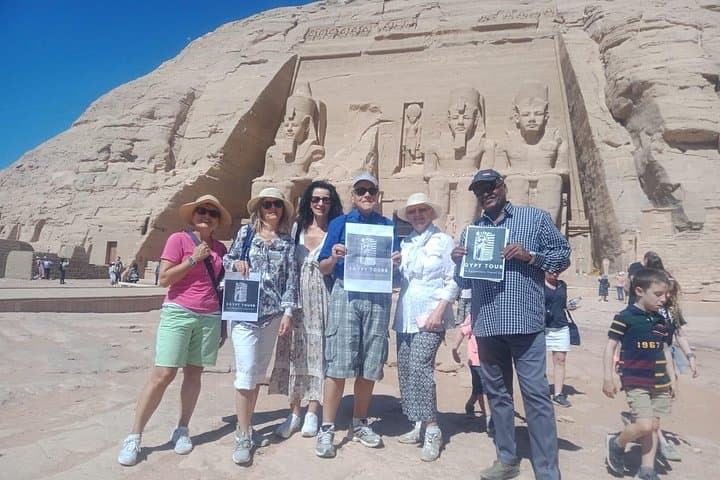
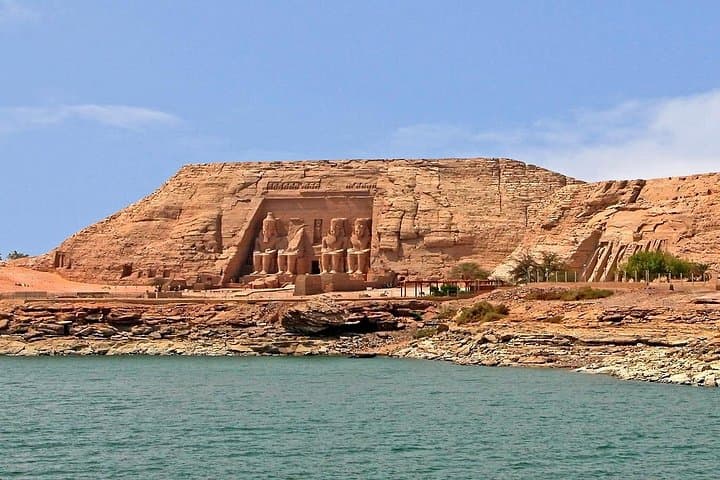
On day two the itinerary pushes deeper: Abu Simbel’s paired temples — the colossal Ramses II façade and the intimate temple of Nefertari — remain the apex. They were famously relocated in the 1960s, a UNESCO-backed feat that preserved their orientation to the sun and their place in the landscape.
Practicality governs the visit: short walks, stone steps, and shaded courtyards dominate the route, but heat and sun are constant companions. Expect guided commentary from an Egyptologist, wheelchair-accessible transport options, and the need to carry official ID and entrance tickets. Dress modestly for temple interiors, wear sturdy walking shoes for uneven stone, and plan water and sun protection for midday crossings between sites. Photographers should arrive early or late for softer light and fewer crowds.
This overnight loop balances cultural depth and straightforward logistics — a compact, two-day immersion into Egypt’s monumental south.
The road trip from Aswan to Abu Simbel is roughly three hours each way by private vehicle; the full overnight program includes transfers and guided time at each site.
This tour description indicates admission to listed sites is included, but confirm at booking for any optional extras or camera permits.
The tour lists wheelchair-accessible transport and surfaces, though some temple interiors have steps — check specific accessibility needs with the operator in advance.
October through April offers milder temperatures and clearer skies; summer is hot and requires stronger sun protection and early starts.
Egypt Tours Travel operates guided outdoor trips and adventures with an emphasis on safety, stewardship, and memorable experiences.


Dawn finds the road from Luxor opening like a page of desert and river — palm clusters, flat fields and the Nile daring you to look farther south. Travelers board a private, air-conditioned car and watch the light shift over mud-brick villages as the promise of ancient stone draws near.
Dawn finds the road from Luxor opening like a page of desert and river — palm clusters, flat fields and the Nile daring you to look farther south. Travelers board a private, air-conditioned car and watch the light shift over mud-brick villages as the promise of ancient stone draws near.
The first day centers on Aswan’s compact wonders: Philae Temple, moved block-by-block to Agilika Island to escape rising waters after the High Dam reshaped the region, and the dam itself, a modern engineering ridge that changed Egypt’s relationship with the Nile. Geologically, the area sits on Nubian sandstone and granite outcrops; sculpted rock faces frame temples carved with the careful relief of New Kingdom artisans.
On day two the itinerary pushes deeper: Abu Simbel’s paired temples — the colossal Ramses II façade and the intimate temple of Nefertari — remain the apex. They were famously relocated in the 1960s, a UNESCO-backed feat that preserved their orientation to the sun and their place in the landscape.
Practicality governs the visit: short walks, stone steps, and shaded courtyards dominate the route, but heat and sun are constant companions. Expect guided commentary from an Egyptologist, wheelchair-accessible transport options, and the need to carry official ID and entrance tickets. Dress modestly for temple interiors, wear sturdy walking shoes for uneven stone, and plan water and sun protection for midday crossings between sites. Photographers should arrive early or late for softer light and fewer crowds.
This overnight loop balances cultural depth and straightforward logistics — a compact, two-day immersion into Egypt’s monumental south.