THE ADVENTURE COLLECTIVE® · Independent discovery and booking for outdoor travel

Spend two days in the Red Centre exploring Kata Tjuta’s domes, watching Uluru ignite at sunset, and walking the base with an informed guide. This compact overnight tour blends geology, Anangu culture and sunset-to-sunrise highlights.
Spend two days in the Red Centre exploring Kata Tjuta’s domes, watching Uluru ignite at sunset, and walking the base with an informed guide. This compact overnight tour blends geology, Anangu culture and sunset-to-sunrise highlights.
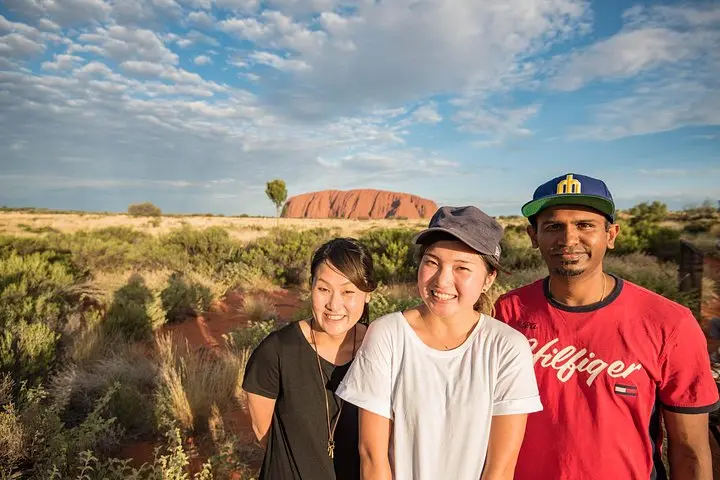
You arrive in Yulara as the light thins and the desert begins to argue with the sky—Uluru holding court on the horizon in a slow, shifting flame. The bus drops you by the Desert Gardens and within an hour you’re hiking among the mysterious folds of Kata Tjuta, the 36 domes that rise like a sculptor’s afterthought from the red plain. The afternoon heat eases, and the rocks begin to change color as if they are deliberately keeping time with the sun.
Verified experiences and guided adventures in the surrounding area.
Operated by Adventure Tours Australia · Yulara, Northern Territory
You arrive in Yulara as the light thins and the desert begins to argue with the sky—Uluru holding court on the horizon in a slow, shifting flame. The bus drops you by the Desert Gardens and within an hour you’re hiking among the mysterious folds of Kata Tjuta, the 36 domes that rise like a sculptor’s afterthought from the red plain. The afternoon heat eases, and the rocks begin to change color as if they are deliberately keeping time with the sun.
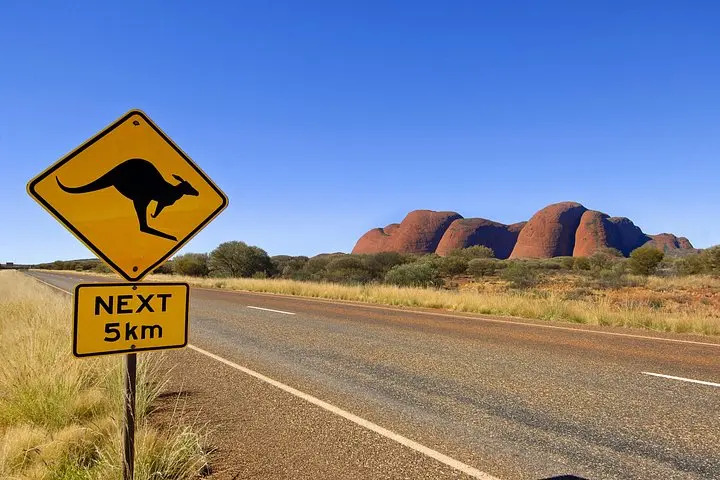
This two-day trip packs the Red Centre’s essentials: a sunset over Uluru, an early-morning base walk, and a closer look at Kata Tjuta’s domes. Geologically, Uluru is a massive arkose sandstone monolith that towers roughly 300–350 meters above the plain; its smooth face was shaped by millions of years of wind and rain. Kata Tjuta, composed of a harder conglomerate, resists erosion and splits into dozens of rounded domes—each one an old river deposit cemented into rock.
Culturally, these formations are living places for the Anangu, who hold Tjukurpa—creation stories and law—tightly bound to specific sites around the rock. The Uluru Cultural Centre on Day 2 offers an opportunity to learn about art, songs, and the painting practices that encode those stories. Out of respect, climbing Uluru is discouraged and often closed; walking the base allows you to engage without overstepping cultural boundaries.
Practically, the itinerary gives you a powered campsite in Yulara for the night and guided walks that span the late afternoon and early morning. Expect a base-walk of roughly 10–11 km around Uluru with varied surfaces—sandy tracks, compacted gravel and occasional rocky steps—while a Kata Tjuta hike can range from a short gorge walk to the more demanding Valley of the Winds circuit (around 7–8 km) with exposed sections and modest climbs.
Timing is everything: sunset and sunrise reveal colors that photos can’t fully capture, but these windows also attract crowds—arrive early to claim a viewpoint. Hydration and sun protection are non-negotiable: the Outback sun is relentless even when the air cools quickly after dusk. Nights get cold; the powered camp has shared facilities but bring layers for both sleeping and sunrise walks.
For travelers wanting a compact, interpretive taste of the Red Centre, this overnight trip balances spectacle with context—close-up rock walks, cultural interpretation, and an easy campsite base from which to meet the desert's vast skies. It’s short in calendar days and large in the experiences it delivers.
The guided base walk covers roughly 10–11 km, usually completed as a series of shorter interpretive stops rather than one continuous loop.
No; climbing Uluru is discouraged out of respect for Anangu traditions and is often officially closed—this tour focuses on walking the base and cultural interpretation.
Moderate fitness is required: you should be comfortable walking several hours with some uneven footing and short climbs in hot, dry conditions.
Dinner on Day 1 and breakfast on Day 2 are included; lunch on Day 1 is not included so plan to eat before pickup or bring a packed lunch.
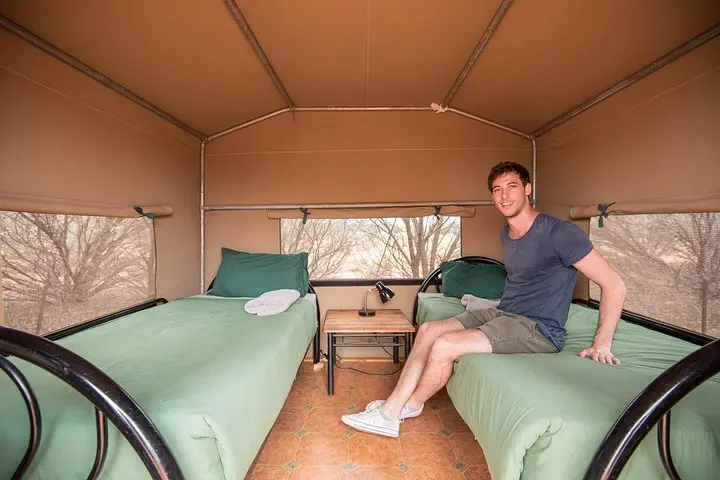
Overnight accommodation is a powered camp in Yulara with shared facilities—comfortable but basic, suitable for short stays.
Children can join but check age and supervision requirements with the operator; the walk distances and heat can be challenging for young kids.
Adventure Tours Australia operates guided outdoor trips and adventures with an emphasis on safety, stewardship, and memorable experiences.

You arrive in Yulara as the light thins and the desert begins to argue with the sky—Uluru holding court on the horizon in a slow, shifting flame. The bus drops you by the Desert Gardens and within an hour you’re hiking among the mysterious folds of Kata Tjuta, the 36 domes that rise like a sculptor’s afterthought from the red plain. The afternoon heat eases, and the rocks begin to change color as if they are deliberately keeping time with the sun.
You arrive in Yulara as the light thins and the desert begins to argue with the sky—Uluru holding court on the horizon in a slow, shifting flame. The bus drops you by the Desert Gardens and within an hour you’re hiking among the mysterious folds of Kata Tjuta, the 36 domes that rise like a sculptor’s afterthought from the red plain. The afternoon heat eases, and the rocks begin to change color as if they are deliberately keeping time with the sun.
This two-day trip packs the Red Centre’s essentials: a sunset over Uluru, an early-morning base walk, and a closer look at Kata Tjuta’s domes. Geologically, Uluru is a massive arkose sandstone monolith that towers roughly 300–350 meters above the plain; its smooth face was shaped by millions of years of wind and rain. Kata Tjuta, composed of a harder conglomerate, resists erosion and splits into dozens of rounded domes—each one an old river deposit cemented into rock.
Culturally, these formations are living places for the Anangu, who hold Tjukurpa—creation stories and law—tightly bound to specific sites around the rock. The Uluru Cultural Centre on Day 2 offers an opportunity to learn about art, songs, and the painting practices that encode those stories. Out of respect, climbing Uluru is discouraged and often closed; walking the base allows you to engage without overstepping cultural boundaries.
Practically, the itinerary gives you a powered campsite in Yulara for the night and guided walks that span the late afternoon and early morning. Expect a base-walk of roughly 10–11 km around Uluru with varied surfaces—sandy tracks, compacted gravel and occasional rocky steps—while a Kata Tjuta hike can range from a short gorge walk to the more demanding Valley of the Winds circuit (around 7–8 km) with exposed sections and modest climbs.
Timing is everything: sunset and sunrise reveal colors that photos can’t fully capture, but these windows also attract crowds—arrive early to claim a viewpoint. Hydration and sun protection are non-negotiable: the Outback sun is relentless even when the air cools quickly after dusk. Nights get cold; the powered camp has shared facilities but bring layers for both sleeping and sunrise walks.
For travelers wanting a compact, interpretive taste of the Red Centre, this overnight trip balances spectacle with context—close-up rock walks, cultural interpretation, and an easy campsite base from which to meet the desert's vast skies. It’s short in calendar days and large in the experiences it delivers.