THE ADVENTURE COLLECTIVE® · Independent discovery and booking for outdoor travel

Spend a night in a 100% traditionally built Maasai village west of Kilimanjaro. Learn beadwork, herbal medicine, and daily customs during a guided two-day cultural immersion with meals and village-led activities included.
Spend a night in a 100% traditionally built Maasai village west of Kilimanjaro. Learn beadwork, herbal medicine, and daily customs during a guided two-day cultural immersion with meals and village-led activities included.
Dawn cracks pink above a flat savanna and the rumble of distant cattle punctuates the cool air. You arrive from Moshi along a red-dust track, greeted by a circle of Maasai singers whose voices pull the landscape into sharper focus. The village is built from saplings, cow dung and earth—simple structures that have sheltered generations and stand open to conversation and curiosity.
Verified experiences and guided adventures in the surrounding area.
Operated by Pumba Adventures And Safari · Moshi, Kilimanjaro Region
Dawn cracks pink above a flat savanna and the rumble of distant cattle punctuates the cool air. You arrive from Moshi along a red-dust track, greeted by a circle of Maasai singers whose voices pull the landscape into sharper focus. The village is built from saplings, cow dung and earth—simple structures that have sheltered generations and stand open to conversation and curiosity.
The Maasai are pastoralists whose identity is woven into livestock, beadcraft and ritual life. West of Mount Kilimanjaro small community-run villages function both as living culture centres and custodians of oral history: expect demonstrations of beadwork language, a compact museum of everyday tools, and discussions of herbal medicine led by village specialists. Geologically this is the rain-shadow plain of Kilimanjaro—sandy soils, acacia groves and low bush that host zebra and elephant in the distance on good days.
Practically: this is a two-day, overnight experience in a traditional Maasai hut with meals included. You’ll join a guided herbal walk, visit a midwife’s hut, learn fire-making, and share a barbecue beneath a broad African sky. Prepare for rustic sleeping conditions, simple sanitation, and communal rhythms rather than hotel comforts.
Plan light layers for cool nights, sun protection for daytime, and a small amount of cash for purchases of beadwork. Respect local customs—ask before photographing—and arrive with an open attitude: this stay is as much about listening as it is about seeing.
Yes—this tour is family friendly and physically easy, but children should be supervised around livestock and open cooking fires.
Yes—lunch, BBQ dinner and breakfast are included; operators typically accommodate vegetarian diets with prior notice.
Huts are traditionally built with basic bedding and offer rustic comfort; bring a liner or light sleeping pad if you prefer extra cushioning.
Carry a valid passport for collection records; check with your doctor for routine vaccinations and recommendations for Tanzania-specific immunizations.
Pumba Adventures And Safari operates guided outdoor trips and adventures with an emphasis on safety, stewardship, and memorable experiences.
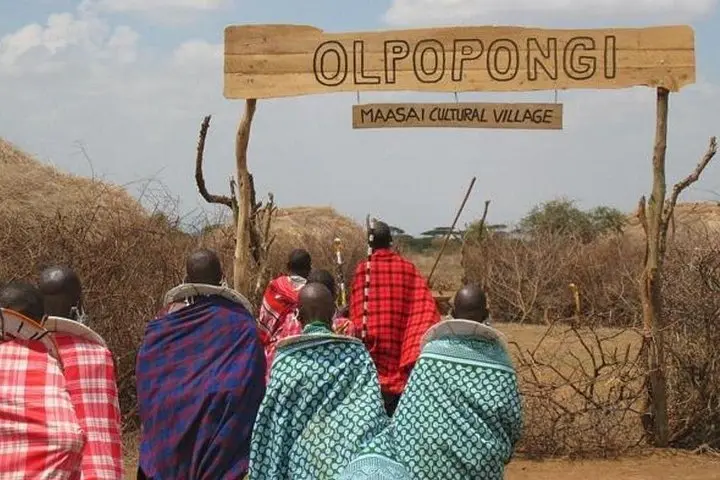
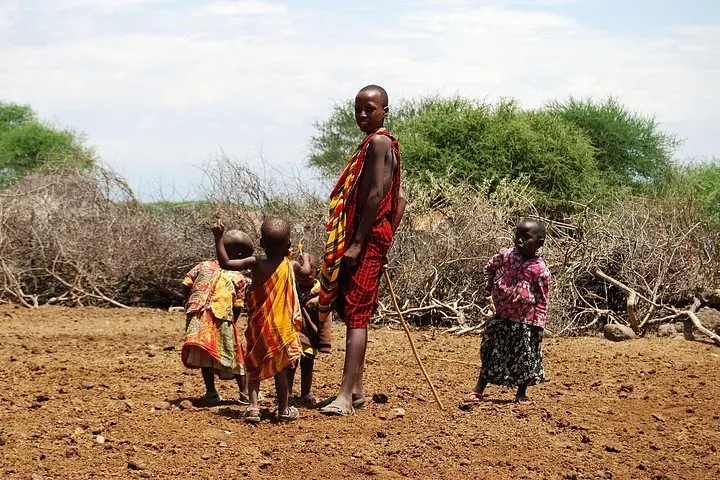
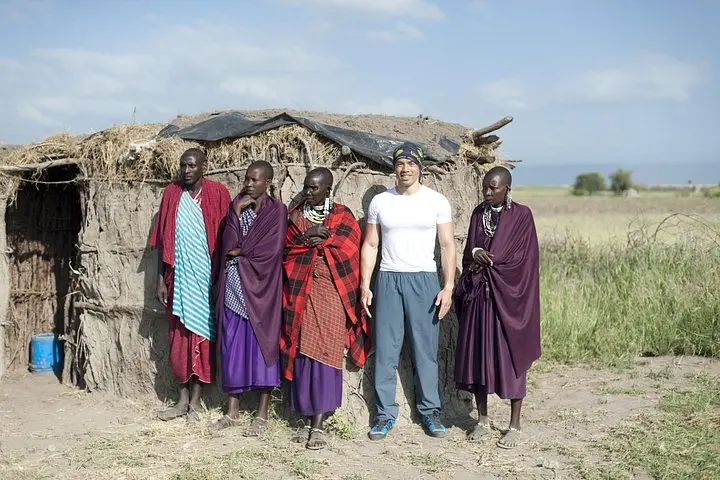
Dawn cracks pink above a flat savanna and the rumble of distant cattle punctuates the cool air. You arrive from Moshi along a red-dust track, greeted by a circle of Maasai singers whose voices pull the landscape into sharper focus. The village is built from saplings, cow dung and earth—simple structures that have sheltered generations and stand open to conversation and curiosity.
Dawn cracks pink above a flat savanna and the rumble of distant cattle punctuates the cool air. You arrive from Moshi along a red-dust track, greeted by a circle of Maasai singers whose voices pull the landscape into sharper focus. The village is built from saplings, cow dung and earth—simple structures that have sheltered generations and stand open to conversation and curiosity.
The Maasai are pastoralists whose identity is woven into livestock, beadcraft and ritual life. West of Mount Kilimanjaro small community-run villages function both as living culture centres and custodians of oral history: expect demonstrations of beadwork language, a compact museum of everyday tools, and discussions of herbal medicine led by village specialists. Geologically this is the rain-shadow plain of Kilimanjaro—sandy soils, acacia groves and low bush that host zebra and elephant in the distance on good days.
Practically: this is a two-day, overnight experience in a traditional Maasai hut with meals included. You’ll join a guided herbal walk, visit a midwife’s hut, learn fire-making, and share a barbecue beneath a broad African sky. Prepare for rustic sleeping conditions, simple sanitation, and communal rhythms rather than hotel comforts.
Plan light layers for cool nights, sun protection for daytime, and a small amount of cash for purchases of beadwork. Respect local customs—ask before photographing—and arrive with an open attitude: this stay is as much about listening as it is about seeing.