THE ADVENTURE COLLECTIVE® · Independent discovery and booking for outdoor travel

A half-day escape from Barahona into Jaragua National Park’s Oviedo Lagoon: guided birding, a natural mud bath, mangrove ecology and a relaxed coastal drive with lunch and transfers included.
A half-day escape from Barahona into Jaragua National Park’s Oviedo Lagoon: guided birding, a natural mud bath, mangrove ecology and a relaxed coastal drive with lunch and transfers included.
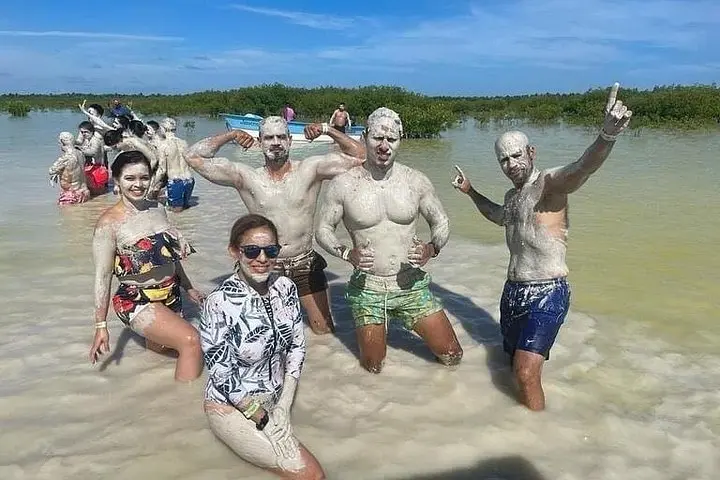
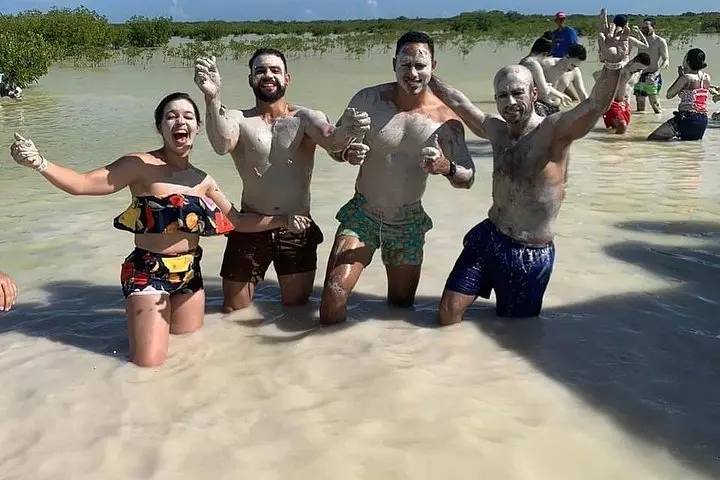
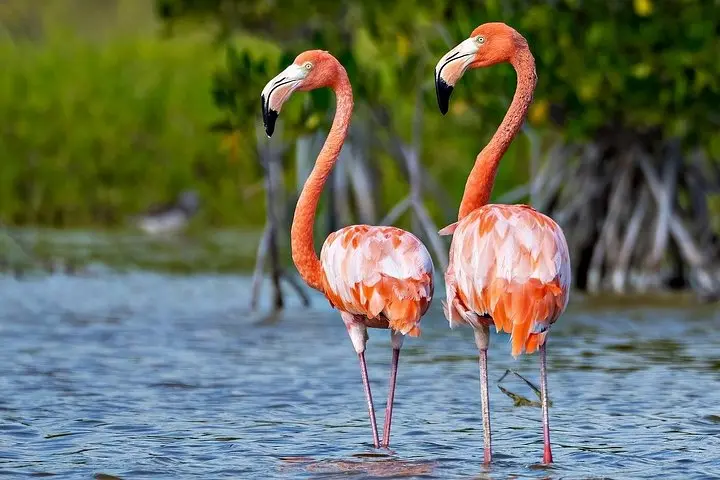
The motor hums as the road opens to scrub and wind-sculpted palms, and the guide points toward the low, glassy curve of water that is Laguna de Oviedo. You move from Barahona’s coastal rhythm into the dry, tidal world of Jaragua National Park: mangrove roots clutch black water, flamingos sweep the shallows, and a mineral-rich mud bank waits for the adventurous to try a natural mud bath.
Verified experiences and guided adventures in the surrounding area.
Operated by Larimar Ecotour · Pedernales, Pedernales Province
The motor hums as the road opens to scrub and wind-sculpted palms, and the guide points toward the low, glassy curve of water that is Laguna de Oviedo. You move from Barahona’s coastal rhythm into the dry, tidal world of Jaragua National Park: mangrove roots clutch black water, flamingos sweep the shallows, and a mineral-rich mud bank waits for the adventurous to try a natural mud bath.
Geology here is straightforward and stark — coastal carbonate flats, mangrove-lined lagoons and alluvial fans shaped by seasonal runoff. Oviedo sits within Jaragua National Park, a protected area established to conserve the unique dry-forest and wetland mosaic of southwest Hispaniola. Local culture in the towns en route mixes Dominican coastal fishing life with small-scale agriculture; a stop at Villa Miriam or the pebble beaches gives a quick look at the region’s social history, including mid-20th-century estates and artisanal fisheries.
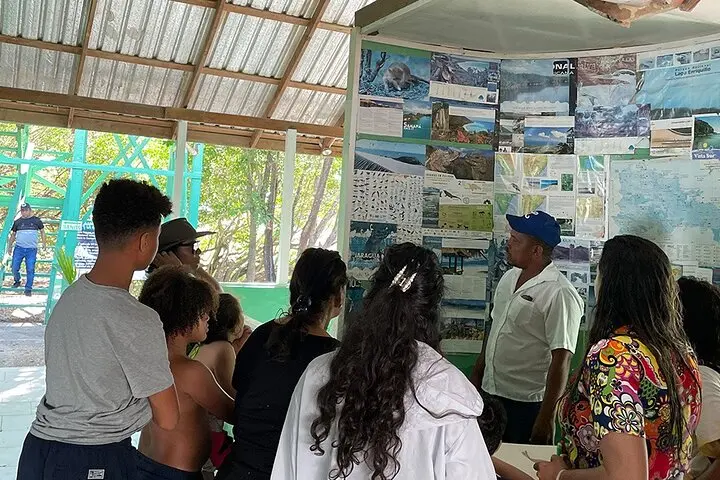
Expect a manageable, 5–6 hour day that combines short boat rides, guided birding, and a supervised mud-bath experience; lunch, bottled water and life vests are included. Guides explain mangrove ecology and point out rhinoceros iguanas, spoonbills and other shorebirds while emphasizing low-impact behavior.
Practical notes: sunscreen and a hat matter more than heavy hiking boots; waterproof phone protection and a small towel are useful for the mud bath. Follow the guide’s safety briefings, avoid trampling mangrove prop roots, and allow time for slow wildlife viewing—this place rewards patience.
The tour runs about 5–6 hours and includes private transport from Barahona, guided visits, lunch, bottled water and life vests for boat segments.
Mud baths are natural and mineral-rich; people with open wounds, skin conditions or pregnancy should avoid them — consult the guide if unsure.
Yes — the lagoon is an important stopover for flamingos and home to rhinoceros iguanas, but sightings depend on season and time of day.
Basic facilities are available at some stops but expect limited infrastructure in remote areas; plan accordingly.
Larimar Ecotour operates guided outdoor trips and adventures with an emphasis on safety, stewardship, and memorable experiences.
The motor hums as the road opens to scrub and wind-sculpted palms, and the guide points toward the low, glassy curve of water that is Laguna de Oviedo. You move from Barahona’s coastal rhythm into the dry, tidal world of Jaragua National Park: mangrove roots clutch black water, flamingos sweep the shallows, and a mineral-rich mud bank waits for the adventurous to try a natural mud bath.
The motor hums as the road opens to scrub and wind-sculpted palms, and the guide points toward the low, glassy curve of water that is Laguna de Oviedo. You move from Barahona’s coastal rhythm into the dry, tidal world of Jaragua National Park: mangrove roots clutch black water, flamingos sweep the shallows, and a mineral-rich mud bank waits for the adventurous to try a natural mud bath.
Geology here is straightforward and stark — coastal carbonate flats, mangrove-lined lagoons and alluvial fans shaped by seasonal runoff. Oviedo sits within Jaragua National Park, a protected area established to conserve the unique dry-forest and wetland mosaic of southwest Hispaniola. Local culture in the towns en route mixes Dominican coastal fishing life with small-scale agriculture; a stop at Villa Miriam or the pebble beaches gives a quick look at the region’s social history, including mid-20th-century estates and artisanal fisheries.
Expect a manageable, 5–6 hour day that combines short boat rides, guided birding, and a supervised mud-bath experience; lunch, bottled water and life vests are included. Guides explain mangrove ecology and point out rhinoceros iguanas, spoonbills and other shorebirds while emphasizing low-impact behavior.
Practical notes: sunscreen and a hat matter more than heavy hiking boots; waterproof phone protection and a small towel are useful for the mud bath. Follow the guide’s safety briefings, avoid trampling mangrove prop roots, and allow time for slow wildlife viewing—this place rewards patience.