THE ADVENTURE COLLECTIVE® · Independent discovery and booking for outdoor travel

Take a focused two-hour private walk through Oxford’s key colleges with a professional guide. Learn how medieval foundations, religious conflict and Enlightenment thinkers shaped the city—plus practical tips on timing, access and what to bring.
Take a focused two-hour private walk through Oxford’s key colleges with a professional guide. Learn how medieval foundations, religious conflict and Enlightenment thinkers shaped the city—plus practical tips on timing, access and what to bring.
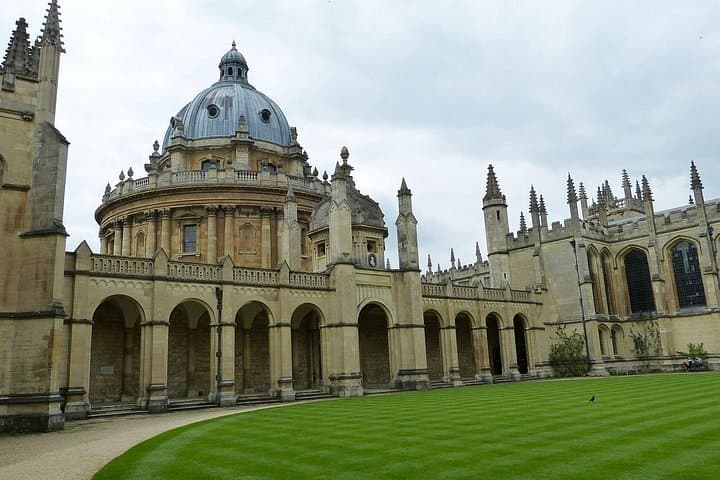
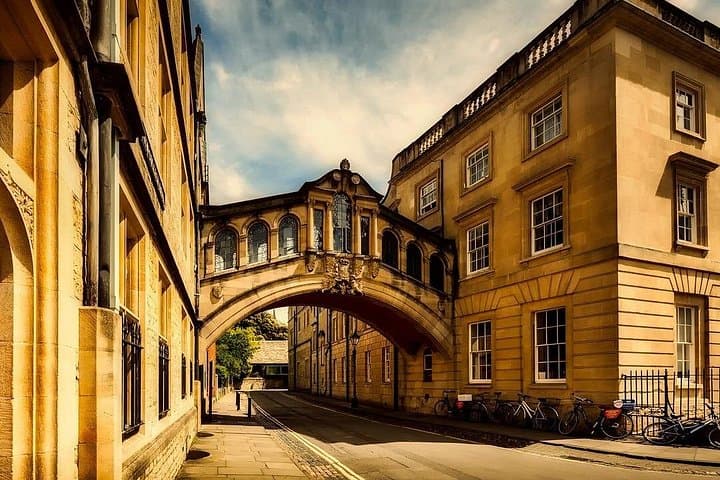
You step off the high street into a sequence of courtyards where stone arcades collect footsteps like a slow tide. The air carries chalky limestone and the faint warmth of sun on old walls; a narrow lane funnels voices toward a bell tower and the river nudges past on its own timetable.
Verified experiences and guided adventures in the surrounding area.
Operated by Global Guide Services · Oxford, Oxfordshire
You step off the high street into a sequence of courtyards where stone arcades collect footsteps like a slow tide. The air carries chalky limestone and the faint warmth of sun on old walls; a narrow lane funnels voices toward a bell tower and the river nudges past on its own timetable.
This private, two-hour walking tour threads through the University of Oxford’s most important colleges—Magdalen, Balliol, Trinity and more—each founded across centuries from the 12th through 17th. The colleges are monuments to academic rivalry, religious debate and political influence: think the Reformation, Civil War-era clashes and Enlightenment scholars such as John Locke and Edmund Halley who shaped scientific thought.
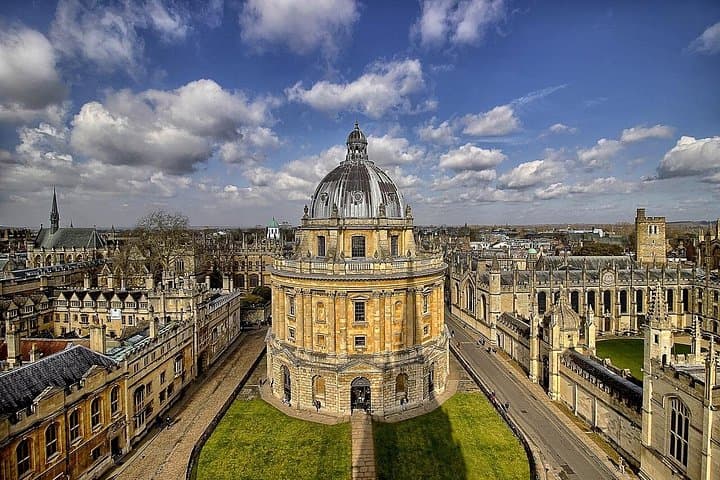
Geology shows in the honey-colored Cotswold stone and medieval cobbles; culture appears in college rituals, heraldic shields and the persistence of tutorial teaching. Your guide places these sites in context—how Henry II’s era set up clerical scholarship, how Victorian expansion altered the skyline, and how the river Cherwell has quietly framed student life.
Practical notes: this is an easy walk on mostly paved streets with some steps; the tour is private and customizable on request. Expect brief stops for exterior views and stories rather than full museum access; some interiors require separate admission. Bring comfortable footwear, a light rain layer, and a camera that respects college photography rules. Timing matters—mornings and late afternoons have fewer crowds and better light.
A compact, history-rich route, the tour gives a clear sense of Oxford’s institutions and the lived feel of a university that has shaped Britain’s intellectual landscape.
No; this walking tour focuses on external views and stories—entry to college chapels or libraries may require separate tickets.
Many streets and college exteriors are accessible, but some historic quadrangles have steps—notify the operator when booking for specific accommodations.
Yes, the tour is private and guides can adjust focus (architecture, literature, science) on the spot when possible.
This listing describes an English-language guide; inquire directly about other language options when booking.
Global Guide Services operates guided outdoor trips and adventures with an emphasis on safety, stewardship, and memorable experiences.
You step off the high street into a sequence of courtyards where stone arcades collect footsteps like a slow tide. The air carries chalky limestone and the faint warmth of sun on old walls; a narrow lane funnels voices toward a bell tower and the river nudges past on its own timetable.
You step off the high street into a sequence of courtyards where stone arcades collect footsteps like a slow tide. The air carries chalky limestone and the faint warmth of sun on old walls; a narrow lane funnels voices toward a bell tower and the river nudges past on its own timetable.
This private, two-hour walking tour threads through the University of Oxford’s most important colleges—Magdalen, Balliol, Trinity and more—each founded across centuries from the 12th through 17th. The colleges are monuments to academic rivalry, religious debate and political influence: think the Reformation, Civil War-era clashes and Enlightenment scholars such as John Locke and Edmund Halley who shaped scientific thought.
Geology shows in the honey-colored Cotswold stone and medieval cobbles; culture appears in college rituals, heraldic shields and the persistence of tutorial teaching. Your guide places these sites in context—how Henry II’s era set up clerical scholarship, how Victorian expansion altered the skyline, and how the river Cherwell has quietly framed student life.
Practical notes: this is an easy walk on mostly paved streets with some steps; the tour is private and customizable on request. Expect brief stops for exterior views and stories rather than full museum access; some interiors require separate admission. Bring comfortable footwear, a light rain layer, and a camera that respects college photography rules. Timing matters—mornings and late afternoons have fewer crowds and better light.
A compact, history-rich route, the tour gives a clear sense of Oxford’s institutions and the lived feel of a university that has shaped Britain’s intellectual landscape.