THE ADVENTURE COLLECTIVE® · Independent discovery and booking for outdoor travel

Three days on the Marañón and its oxbow lakes: dawn birding, canoe trips for sloths and river dolphins, night searches for caimans, and camping in the flooded forest. Practical, wildlife-focused and paced for immersive jungle experience.
Three days on the Marañón and its oxbow lakes: dawn birding, canoe trips for sloths and river dolphins, night searches for caimans, and camping in the flooded forest. Practical, wildlife-focused and paced for immersive jungle experience.
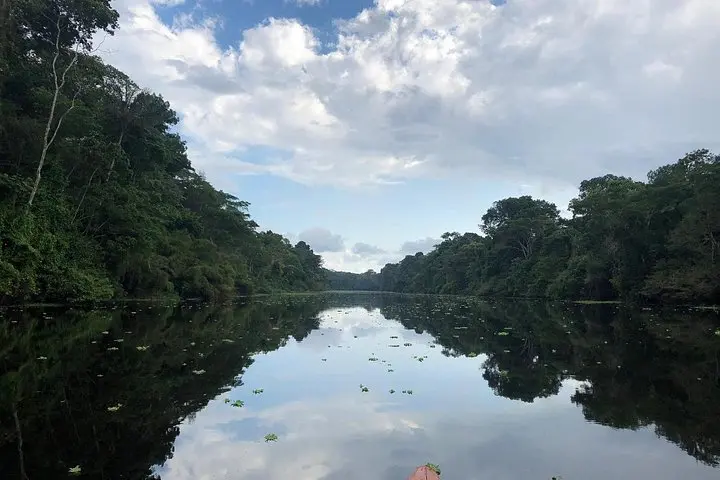
A humid dawn on the Marañón: the river pushes the boat forward, herons fold into the mangroves and the first howler calls cut across the water. By midmorning you step ashore at Buenos Aires, trade the motor hum for insect-song and move into a landscape that floods and breathes with the seasons.
Verified experiences and guided adventures in the surrounding area.
Operated by Ruth Amazon Expeditions · Nauta, Loreto
A humid dawn on the Marañón: the river pushes the boat forward, herons fold into the mangroves and the first howler calls cut across the water. By midmorning you step ashore at Buenos Aires, trade the motor hum for insect-song and move into a landscape that floods and breathes with the seasons.
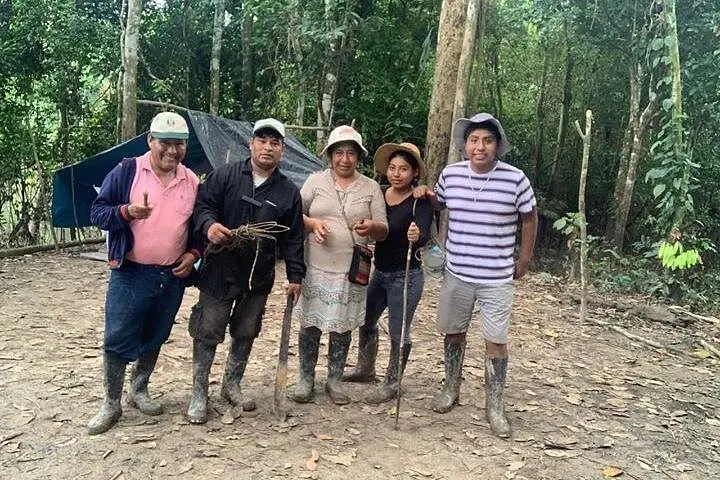
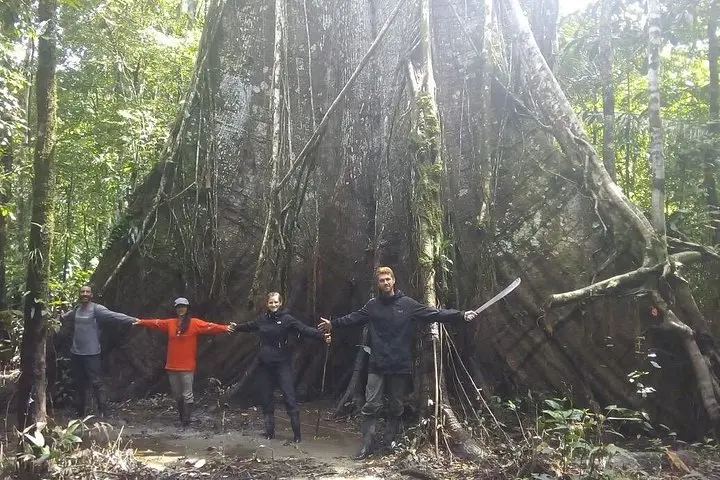
Pacaya‑Samiria National Reserve was created to protect one of the Amazon’s largest seasonally flooded forests and its ribbon of rivers and oxbow lakes. The terrain is low, flat and defined by river channels, várzea forest and sandy levees where ceiba and cedar rise like island trees. Local communities—mestizo and indigenous—still practice artisanal fishing and use medicinal plants; guides point out cat’s claw and other species used for centuries.
Expect close wildlife encounters: dawn birding, canoeing for sloths and river dolphins, night canoe trips to search for caimans, and guided walks to learn about medicinal flora. Camping is basic—sleep under canvas or in a peasant house—food is local and filling, and guides manage navigation through tributaries and flooded forest trails.
Practical notes: arrive in Iquitos the night before, pack insect repellent, quick‑dry layers and a reliable headlamp, and be prepared for wet trails and boat transfers. Water levels change with the rains—high water opens more channels but increases mosquito activity—so time your visit for the wildlife you most want to see. Respect local customs, follow your guide’s safety advice when fishing, and bring biodegradable toiletries to minimize impact.
Consult a travel clinic for recommended vaccines (yellow fever is commonly advised) and bring antimalarial advice if your doctor recommends it; carry basic first-aid and any personal medications.
The itinerary is rated moderate: most activities are short hikes, canoeing and boat rides; basic mobility is required but no specialized fitness or climbing skills are needed.
Yes—meals listed in the itinerary (breakfasts, lunches, dinners) are included; accommodations alternate between a peasant house and jungle camping as described.
Yes—guides target known habitats for river dolphins and sloths; sightings are common but not guaranteed since wildlife is wild and seasonal.
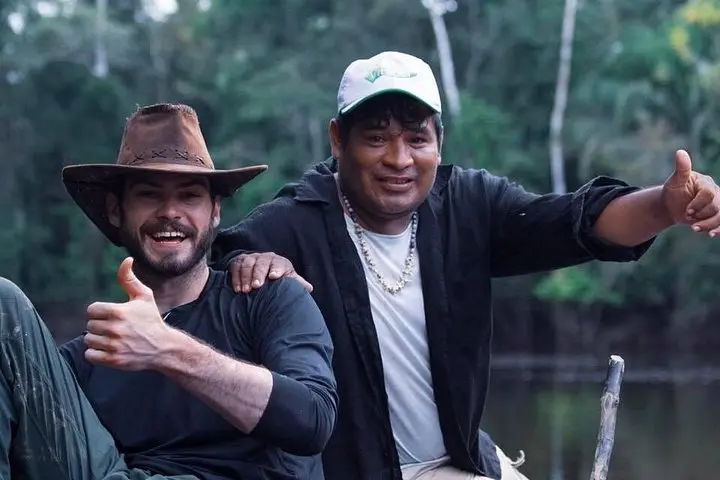
Ruth Amazon Expeditions operates guided outdoor trips and adventures with an emphasis on safety, stewardship, and memorable experiences.
A humid dawn on the Marañón: the river pushes the boat forward, herons fold into the mangroves and the first howler calls cut across the water. By midmorning you step ashore at Buenos Aires, trade the motor hum for insect-song and move into a landscape that floods and breathes with the seasons.
A humid dawn on the Marañón: the river pushes the boat forward, herons fold into the mangroves and the first howler calls cut across the water. By midmorning you step ashore at Buenos Aires, trade the motor hum for insect-song and move into a landscape that floods and breathes with the seasons.
Pacaya‑Samiria National Reserve was created to protect one of the Amazon’s largest seasonally flooded forests and its ribbon of rivers and oxbow lakes. The terrain is low, flat and defined by river channels, várzea forest and sandy levees where ceiba and cedar rise like island trees. Local communities—mestizo and indigenous—still practice artisanal fishing and use medicinal plants; guides point out cat’s claw and other species used for centuries.
Expect close wildlife encounters: dawn birding, canoeing for sloths and river dolphins, night canoe trips to search for caimans, and guided walks to learn about medicinal flora. Camping is basic—sleep under canvas or in a peasant house—food is local and filling, and guides manage navigation through tributaries and flooded forest trails.
Practical notes: arrive in Iquitos the night before, pack insect repellent, quick‑dry layers and a reliable headlamp, and be prepared for wet trails and boat transfers. Water levels change with the rains—high water opens more channels but increases mosquito activity—so time your visit for the wildlife you most want to see. Respect local customs, follow your guide’s safety advice when fishing, and bring biodegradable toiletries to minimize impact.