THE ADVENTURE COLLECTIVE® · Independent discovery and booking for outdoor travel

Walk across fresh lava and peer into steaming fumaroles on a day trip from Guatemala City to Pacaya. This accessible active volcano offers raw geological drama with guided routes suited to moderately fit hikers.
Walk across fresh lava and peer into steaming fumaroles on a day trip from Guatemala City to Pacaya. This accessible active volcano offers raw geological drama with guided routes suited to moderately fit hikers.
Morning light slices across rough black lava as you climb away from the minivan, the air carrying a dry sulphur tang that tells you Pacaya is awake.
Verified experiences and guided adventures in the surrounding area.
Operated by Clark Tours · Pacaya (near Antigua Guatemala), Escuintla
Morning light slices across rough black lava as you climb away from the minivan, the air carrying a dry sulphur tang that tells you Pacaya is awake.
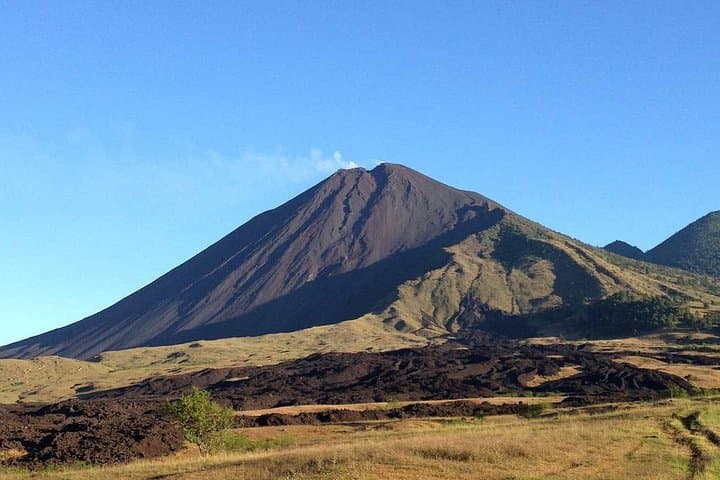
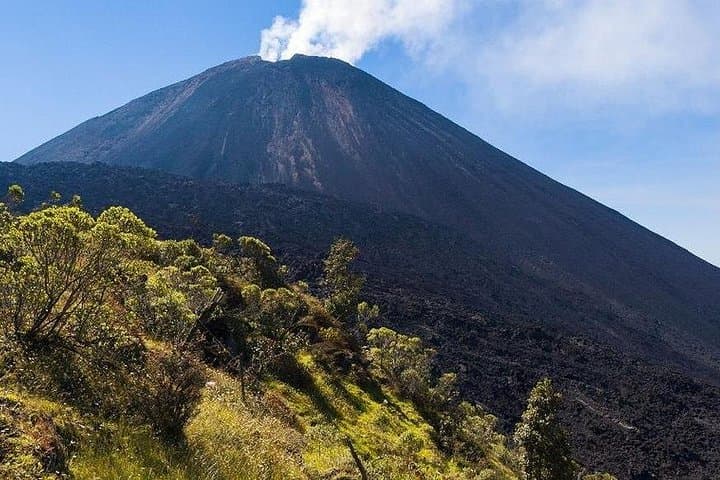
This active volcano, one of Guatemala’s most accessible, sits south of Antigua and south-west of Guatemala City. Its recent eruptions have re-shaped slopes into jagged pahoehoe and a’a flows, leaving a moonscape of cracked basalt and steaming fumaroles where hikers tread. Locals once used lower slopes for coffee and cattle; today guides from nearby towns lead small groups to safe viewpoints and cooling lava fields.
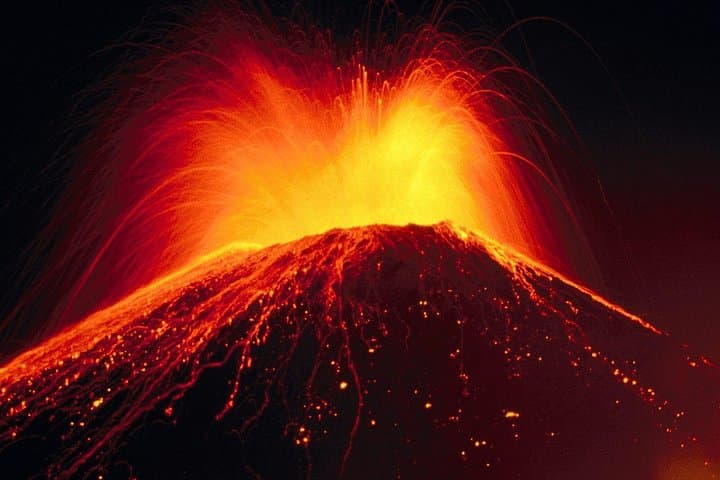
Geologically Pacaya is a composite volcano with frequent Strombolian activity—spatter cones and lava flows reshape trails seasonally. Culturally, the volcano figures in regional storytelling and parish processions in surrounding towns; local guides often punctuate the hike with practical volcanic lore and safety measures.
Expect a 2–3 km hike over uneven, loose volcanic rock with short steep sections and modest elevation change, though wind and altitude can make exertion feel harder. Bring sturdy footwear, layered clothing, and at least 1.5–2 liters of water. Guides choose routes to avoid fresh flows and fumaroles; listen for instructions and keep distance from steam vents.
Timing matters: early morning trips are cooler and clearer; late-afternoon outings can offer glow from active vents when darkness falls, but this particular excursion runs as a full-day tour from Guatemala City with hotel pickup.
Practical note: footwear with good tread, sun protection, and a small daypack are the essentials. If you have respiratory or heart issues, skip this trip—steam and altitude are real factors. With sensible preparation, Pacaya delivers raw volcanic landscape and close-up geology without the technical climbing of larger Central American peaks.
The usual walking route is moderate: 2–4 km on uneven volcanic rock with short steep stretches; it requires steady footing but no technical climbing.
Guides take you to safe viewing points near cooled and sometimes actively oozing lava; access to fresh flows depends on current activity and safety restrictions.
Yes, this tour includes hotel pickup from designated hotels in Guatemala City (confirm your pickup time during booking).
Not recommended for people with serious heart or respiratory conditions, pregnancy, or severe back problems due to altitude, rough terrain, and steam exposure.
Clark Tours operates guided outdoor trips and adventures with an emphasis on safety, stewardship, and memorable experiences.

Morning light slices across rough black lava as you climb away from the minivan, the air carrying a dry sulphur tang that tells you Pacaya is awake.
Morning light slices across rough black lava as you climb away from the minivan, the air carrying a dry sulphur tang that tells you Pacaya is awake.
This active volcano, one of Guatemala’s most accessible, sits south of Antigua and south-west of Guatemala City. Its recent eruptions have re-shaped slopes into jagged pahoehoe and a’a flows, leaving a moonscape of cracked basalt and steaming fumaroles where hikers tread. Locals once used lower slopes for coffee and cattle; today guides from nearby towns lead small groups to safe viewpoints and cooling lava fields.
Geologically Pacaya is a composite volcano with frequent Strombolian activity—spatter cones and lava flows reshape trails seasonally. Culturally, the volcano figures in regional storytelling and parish processions in surrounding towns; local guides often punctuate the hike with practical volcanic lore and safety measures.
Expect a 2–3 km hike over uneven, loose volcanic rock with short steep sections and modest elevation change, though wind and altitude can make exertion feel harder. Bring sturdy footwear, layered clothing, and at least 1.5–2 liters of water. Guides choose routes to avoid fresh flows and fumaroles; listen for instructions and keep distance from steam vents.
Timing matters: early morning trips are cooler and clearer; late-afternoon outings can offer glow from active vents when darkness falls, but this particular excursion runs as a full-day tour from Guatemala City with hotel pickup.
Practical note: footwear with good tread, sun protection, and a small daypack are the essentials. If you have respiratory or heart issues, skip this trip—steam and altitude are real factors. With sensible preparation, Pacaya delivers raw volcanic landscape and close-up geology without the technical climbing of larger Central American peaks.