THE ADVENTURE COLLECTIVE® · Independent discovery and booking for outdoor travel
Hike across black lava fields to Pacaya’s rim, learn about its eruptions and local culture, then cook pizza over volcanic heat. This practical guide helps you prepare for loose terrain, variable weather, and an unforgettable summit meal.
Hike across black lava fields to Pacaya’s rim, learn about its eruptions and local culture, then cook pizza over volcanic heat. This practical guide helps you prepare for loose terrain, variable weather, and an unforgettable summit meal.
You start on an unpaved road under a wide Guatemalan sky, the volcano’s dark cone cutting the horizon. Steam and a faint sulfur tang ride the wind as your guide points out lava flows that recently re-shaped the slope; beneath your boots the ground alternates between pumice, packed ash and jagged basalt. The trail climbs steadily, opening to a raw, exposed ridge where the valley behind Antigua drops away and the active vent dares the sky.
Verified experiences and guided adventures in the surrounding area.
Operated by GUATEMAYA TOURS · Antigua Guatemala, Sacatepéquez
You start on an unpaved road under a wide Guatemalan sky, the volcano’s dark cone cutting the horizon. Steam and a faint sulfur tang ride the wind as your guide points out lava flows that recently re-shaped the slope; beneath your boots the ground alternates between pumice, packed ash and jagged basalt. The trail climbs steadily, opening to a raw, exposed ridge where the valley behind Antigua drops away and the active vent dares the sky.
Pacaya is young in geological terms — an active stratovolcano that has been erupting intermittently since the 16th century — and its frequent lava flows created the black fields you hike across. Guides here blend geology with local culture: stories of lava rock used in colonial-era building, and traditions tied to nearby coffee farms and indigenous communities of the Sacatepéquez region.
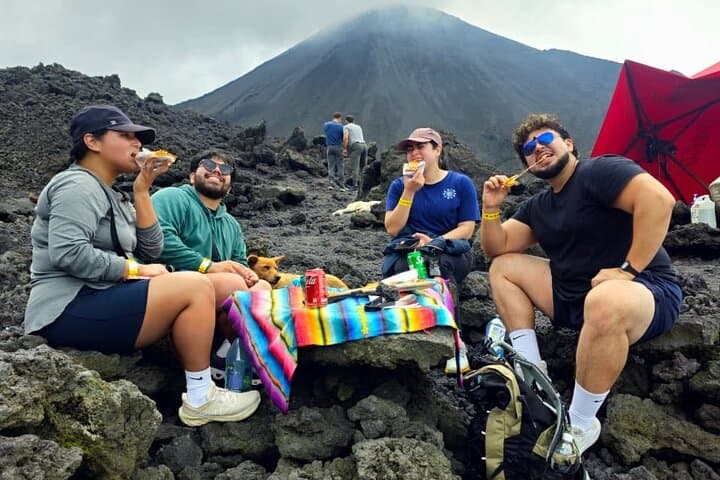
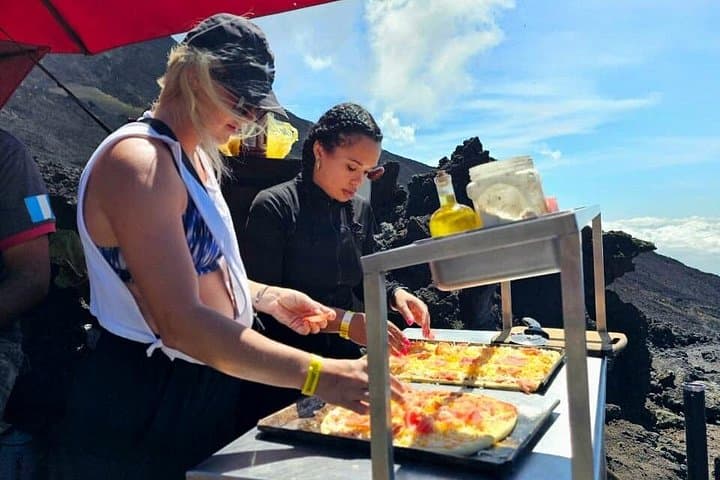
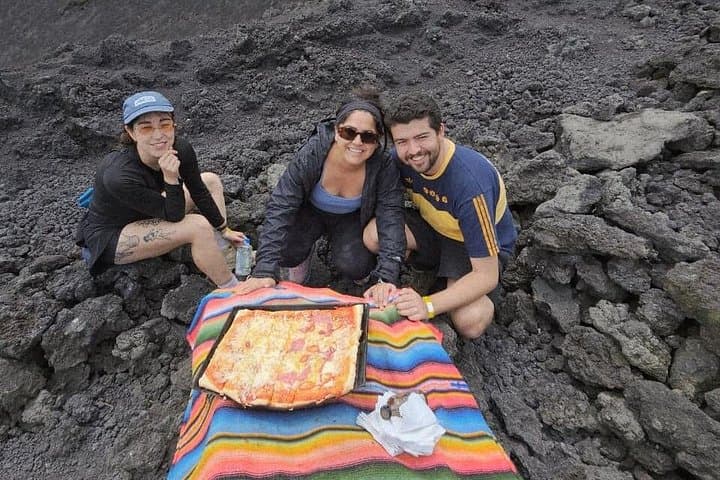
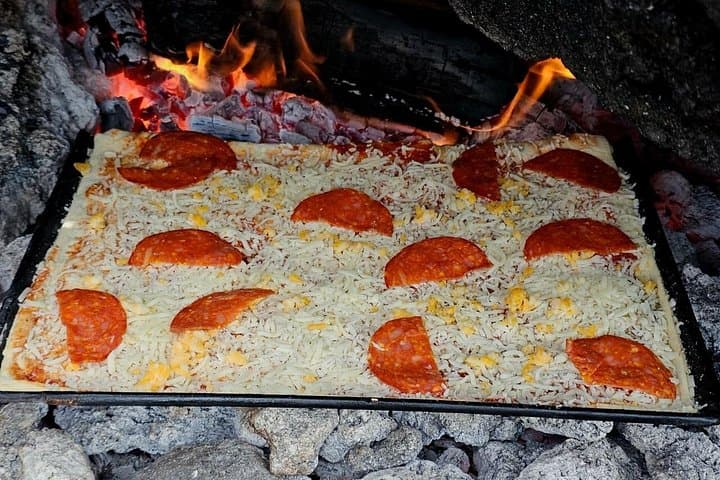
At the crater rim you’ll find a practical, human touch: a small cooking area where charcoal and volcanic heat meet dough and cheese. Making pizza and roasting marshmallows over residual heat is part spectacle, part cultural exchange — a simple, memorable way to taste the place.
Practical guidance: expect loose, uneven terrain and steep sections; wear sturdy shoes, bring 1–2 liters of water, sun protection, and a windproof layer. Mornings and dry-season days give the clearest views; rainy season adds slick ash and limited visibility. Listen to your guide during volcanic-activity briefings and keep to marked paths. This is an accessible, sensory-rich hike that pairs geology with low-key culinary celebration — ideal for travelers who want more than a viewpoint and are comfortable with active, unpredictable terrain.
Many families and older adults join this tour; the operator lists it as suitable for all fitness levels, but assess mobility for uneven ground and steep sections before booking.
Yes — the experience includes accredited local guides, admission fees and private, air-conditioned transport as listed in the tour inclusions.
The tour provides pizza and a canned drink at the summit; bring cash for souvenirs or additional snacks, and any personal dietary items you require.
Guides monitor conditions and will advise or reroute if activity increases; heavy rain makes the ash slick—book during the dry season for the most stable trail conditions.
GUATEMAYA TOURS operates guided outdoor trips and adventures with an emphasis on safety, stewardship, and memorable experiences.
You start on an unpaved road under a wide Guatemalan sky, the volcano’s dark cone cutting the horizon. Steam and a faint sulfur tang ride the wind as your guide points out lava flows that recently re-shaped the slope; beneath your boots the ground alternates between pumice, packed ash and jagged basalt. The trail climbs steadily, opening to a raw, exposed ridge where the valley behind Antigua drops away and the active vent dares the sky.
You start on an unpaved road under a wide Guatemalan sky, the volcano’s dark cone cutting the horizon. Steam and a faint sulfur tang ride the wind as your guide points out lava flows that recently re-shaped the slope; beneath your boots the ground alternates between pumice, packed ash and jagged basalt. The trail climbs steadily, opening to a raw, exposed ridge where the valley behind Antigua drops away and the active vent dares the sky.
Pacaya is young in geological terms — an active stratovolcano that has been erupting intermittently since the 16th century — and its frequent lava flows created the black fields you hike across. Guides here blend geology with local culture: stories of lava rock used in colonial-era building, and traditions tied to nearby coffee farms and indigenous communities of the Sacatepéquez region.
At the crater rim you’ll find a practical, human touch: a small cooking area where charcoal and volcanic heat meet dough and cheese. Making pizza and roasting marshmallows over residual heat is part spectacle, part cultural exchange — a simple, memorable way to taste the place.
Practical guidance: expect loose, uneven terrain and steep sections; wear sturdy shoes, bring 1–2 liters of water, sun protection, and a windproof layer. Mornings and dry-season days give the clearest views; rainy season adds slick ash and limited visibility. Listen to your guide during volcanic-activity briefings and keep to marked paths. This is an accessible, sensory-rich hike that pairs geology with low-key culinary celebration — ideal for travelers who want more than a viewpoint and are comfortable with active, unpredictable terrain.
