THE ADVENTURE COLLECTIVE® · Independent discovery and booking for outdoor travel

Summit Pacaya before dawn to watch rivers of lava glow against the pre‑sun sky. This guided sunrise hike from Antigua offers close volcanic views, marshmallow roasting over warm rocks, and a chance to be back in town by mid‑morning.
Summit Pacaya before dawn to watch rivers of lava glow against the pre‑sun sky. This guided sunrise hike from Antigua offers close volcanic views, marshmallow roasting over warm rocks, and a chance to be back in town by mid‑morning.
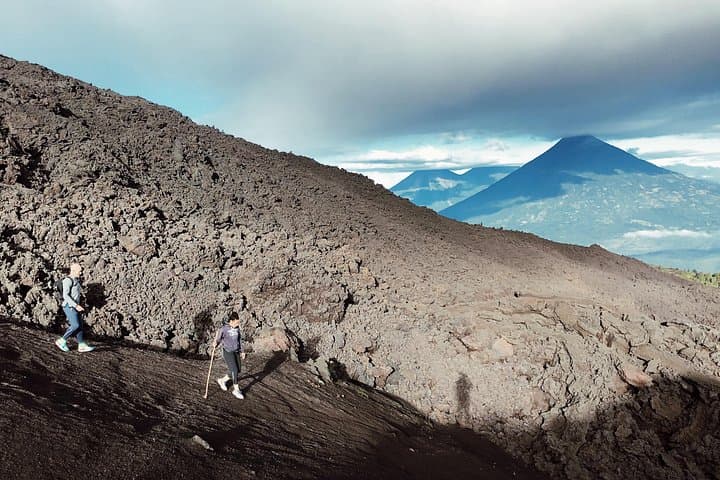
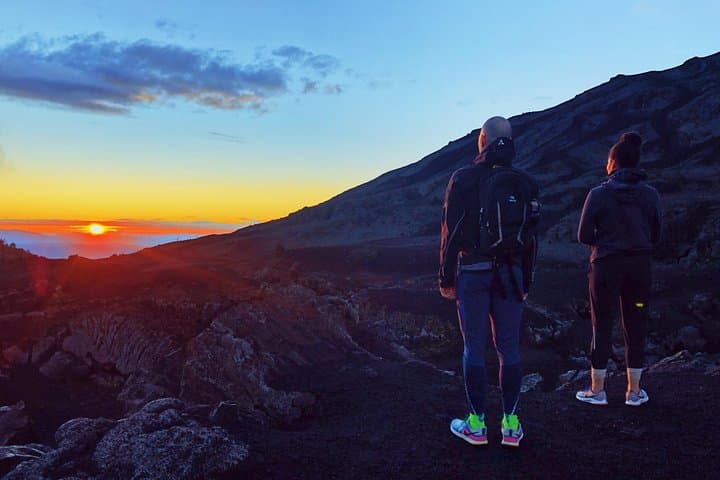
Before the sun clears the Guatemalan highlands, you step from an air‑conditioned van into a cool, volcanic dawn. Headlamps sweep across a stony trail as the volcano exhales—steam drifting, small incandescent veins of lava still bright against the dark. Climbing toward Pacaya’s summit at roughly 2,552 meters, the path shifts from forested switchbacks to loose volcanic scree that crunches underfoot.
Verified experiences and guided adventures in the surrounding area.
Operated by El CA Express · Antigua Guatemala, Sacatepéquez Department
Before the sun clears the Guatemalan highlands, you step from an air‑conditioned van into a cool, volcanic dawn. Headlamps sweep across a stony trail as the volcano exhales—steam drifting, small incandescent veins of lava still bright against the dark. Climbing toward Pacaya’s summit at roughly 2,552 meters, the path shifts from forested switchbacks to loose volcanic scree that crunches underfoot.
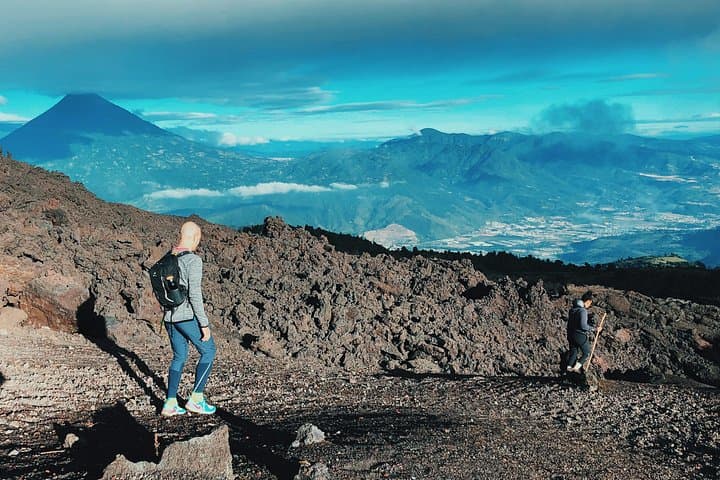
Pacaya is one of Guatemala’s most active volcanoes, its eruptions and lava flows shaping local agriculture and communities for decades. From the rim you can see Volcán de Agua, Volcán de Fuego and Acatenango—each peak a reminder of the region’s tectonic restlessness. On the approach you’ll pass recent flow fields and drive by Zone 0, an area affected by Fuego’s 2018 eruption, underscoring the active landscape and local history.
Practicalities steer the experience: expect a total outing of about six hours with roughly 45 minutes at the top to observe lava rivers and roast marshmallows. The ascent is steep in sections and can be slippery on loose tephra; sturdy footwear and steady pacing matter. Weather changes quickly—clear, cold mornings can turn warm as the sun rises, and clouds or ash can reduce visibility.
Plan for early pickup from Antigua, bring a warm layer, headlamp, water and snacks, and allow time after the tour to return to town by mid‑morning. Follow guides’ safety briefings around hot rocks and live lava—respecting the landscape keeps this raw, elemental experience possible for others.
The full experience is about 5–6 hours; groups typically return to Antigua by around 9:30am, depending on pickup and trail pace.
Yes—the tour itinerary lists admission as included, and transportation to/from Antigua is provided in an air‑conditioned vehicle.
This hike is not recommended for pregnant travelers or people with serious spinal or heart conditions; children should be physically capable of steep uphill walking.
Guides will take you to safe viewing areas near cooled and active flow margins when conditions allow—always follow their instructions to avoid unstable or hot rock.
El CA Express operates guided outdoor trips and adventures with an emphasis on safety, stewardship, and memorable experiences.
Before the sun clears the Guatemalan highlands, you step from an air‑conditioned van into a cool, volcanic dawn. Headlamps sweep across a stony trail as the volcano exhales—steam drifting, small incandescent veins of lava still bright against the dark. Climbing toward Pacaya’s summit at roughly 2,552 meters, the path shifts from forested switchbacks to loose volcanic scree that crunches underfoot.
Before the sun clears the Guatemalan highlands, you step from an air‑conditioned van into a cool, volcanic dawn. Headlamps sweep across a stony trail as the volcano exhales—steam drifting, small incandescent veins of lava still bright against the dark. Climbing toward Pacaya’s summit at roughly 2,552 meters, the path shifts from forested switchbacks to loose volcanic scree that crunches underfoot.
Pacaya is one of Guatemala’s most active volcanoes, its eruptions and lava flows shaping local agriculture and communities for decades. From the rim you can see Volcán de Agua, Volcán de Fuego and Acatenango—each peak a reminder of the region’s tectonic restlessness. On the approach you’ll pass recent flow fields and drive by Zone 0, an area affected by Fuego’s 2018 eruption, underscoring the active landscape and local history.
Practicalities steer the experience: expect a total outing of about six hours with roughly 45 minutes at the top to observe lava rivers and roast marshmallows. The ascent is steep in sections and can be slippery on loose tephra; sturdy footwear and steady pacing matter. Weather changes quickly—clear, cold mornings can turn warm as the sun rises, and clouds or ash can reduce visibility.
Plan for early pickup from Antigua, bring a warm layer, headlamp, water and snacks, and allow time after the tour to return to town by mid‑morning. Follow guides’ safety briefings around hot rocks and live lava—respecting the landscape keeps this raw, elemental experience possible for others.