THE ADVENTURE COLLECTIVE® · Independent discovery and booking for outdoor travel

Pair ancient ruins and coastal wetlands on a six-hour private tour from Lima. Spend the morning exploring the temples of Pachacamac and the afternoon watching flocks at Pantanos de Villa with entrance and bottled water included.
Pair ancient ruins and coastal wetlands on a six-hour private tour from Lima. Spend the morning exploring the temples of Pachacamac and the afternoon watching flocks at Pantanos de Villa with entrance and bottled water included.
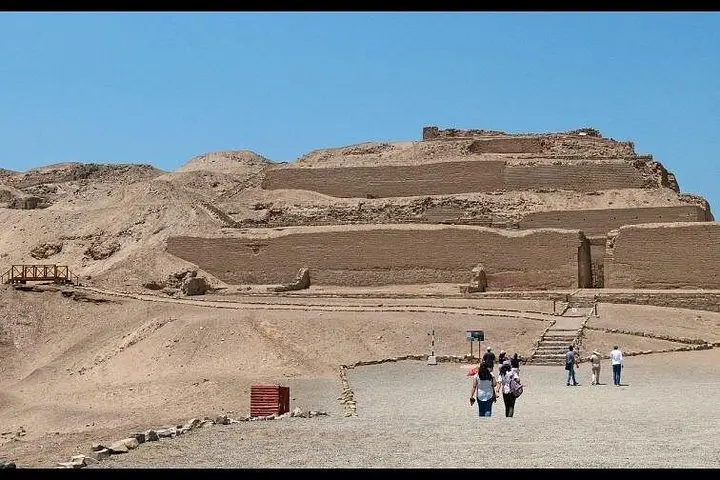
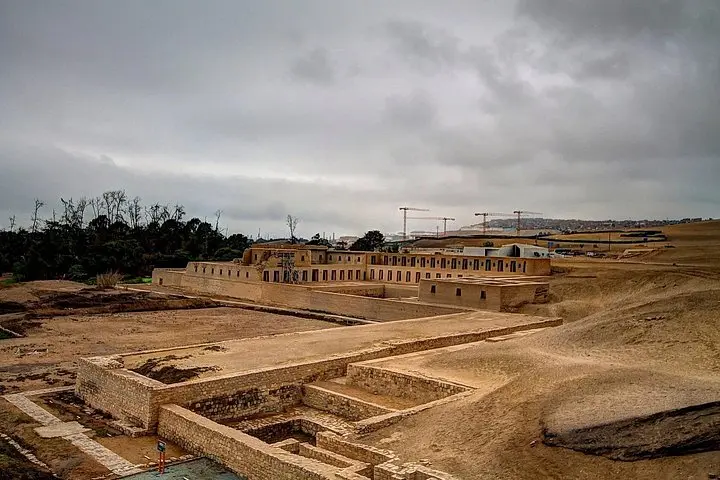
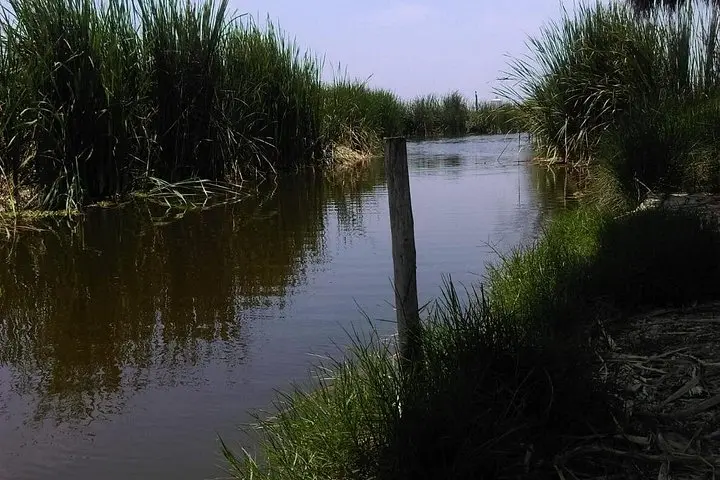
You step out of the van into a strip of coastal desert where wind-scoured sands meet ancient stone. The air tastes faintly of salt and dust; the low adobe pyramids of Pachacamac sit like a cluster of memory stones, their terraces catching the light. Nearby, Pantanos de Villa waits in contrast — a shallow, brackish wetland where flocks wheel and the water mirrors the sky.
Verified experiences and guided adventures in the surrounding area.
Operated by Hatun Expedition Perú · Lima, Lima
You step out of the van into a strip of coastal desert where wind-scoured sands meet ancient stone. The air tastes faintly of salt and dust; the low adobe pyramids of Pachacamac sit like a cluster of memory stones, their terraces catching the light. Nearby, Pantanos de Villa waits in contrast — a shallow, brackish wetland where flocks wheel and the water mirrors the sky.
Pachacamac was once the spiritual crossroads of pre-Columbian Lima, Ichma and later Inca societies. Pilgrims arrived here from the highlands and the coast to consult oracles and lay offerings; the ruins you walk through are not a single moment but layers of occupation. Geologically the site perches on coastal alluvium, ancient river and ocean sediments uplifted and cut by seasonal streams; the result is hard-packed desert interrupted by red-brown adobe and the occasional cactus.
Pantanos de Villa, created by a natural estuary and fed by underground springs and runoff, sustains a surprising diversity of birds — waders, terns and resident ducks that exploit the tide of nutrients. Culturally, both sites sit at the edge of Lima’s urban sprawl, a reminder of how city life and wild places rub against each other. Local guides will often point out small details: carved niches, repurposed stones, and the old trade routes that threaded the coast.
Practical side: this private, six-hour tour splits roughly three hours at each site with admission and bottled water included. Expect mostly flat walking on compacted dirt, sand and boardwalks; Pachacamac has steps and low terraces but no technical climbing. Temperatures swing — coastal sun can be intense while mornings bring the garúa, a cool marine mist driven by southern winds.
Plan to go early. Bird activity peaks at first light and ruins are cooler and less crowded before noon. Bring a wide-brim hat, sunscreen and at least 1.5 liters of water; binoculars lift the reserve from pleasant to unforgettable. Wear sturdy walking shoes with good traction for sandy patches and museum pathways. If you want local crafts, allow time at the small artisans stalls near Pachacamac museum; vendors sell woven goods and ceramics.
Logistics: hotel pickup is common, operators often meet at reception; minimum age is four. Respect posted routes at both sites to protect fragile habitats and archaeological features. With the right timing and gear, this is a day that pairs human history with migratory spectacle — an accessible introduction to Lima beyond the city streets.
Yes; the tour includes admission to both Pachacamac sanctuary and Pantanos de Villa Reserve as stated in the inclusions.
The private tour runs about six hours, splitting roughly three hours at Pachacamac and three hours at Pantanos de Villa.
Yes; hotel pickup is offered and the driver typically meets guests at reception wearing a company polo.
The operator lists it as suitable for all fitness levels and stroller accessible, but Pachacamac has uneven paths and steps so assistance may be needed for limited mobility.
Common sightings include Peruvian pelicans, great egrets, various sandpipers and terns, especially in the early morning.
Full refund if you cancel at least 24 hours before the scheduled departure; cancellations within 24 hours are not refundable.
Hatun Expedition Perú operates guided outdoor trips and adventures with an emphasis on safety, stewardship, and memorable experiences.

You step out of the van into a strip of coastal desert where wind-scoured sands meet ancient stone. The air tastes faintly of salt and dust; the low adobe pyramids of Pachacamac sit like a cluster of memory stones, their terraces catching the light. Nearby, Pantanos de Villa waits in contrast — a shallow, brackish wetland where flocks wheel and the water mirrors the sky.
You step out of the van into a strip of coastal desert where wind-scoured sands meet ancient stone. The air tastes faintly of salt and dust; the low adobe pyramids of Pachacamac sit like a cluster of memory stones, their terraces catching the light. Nearby, Pantanos de Villa waits in contrast — a shallow, brackish wetland where flocks wheel and the water mirrors the sky.
Pachacamac was once the spiritual crossroads of pre-Columbian Lima, Ichma and later Inca societies. Pilgrims arrived here from the highlands and the coast to consult oracles and lay offerings; the ruins you walk through are not a single moment but layers of occupation. Geologically the site perches on coastal alluvium, ancient river and ocean sediments uplifted and cut by seasonal streams; the result is hard-packed desert interrupted by red-brown adobe and the occasional cactus.
Pantanos de Villa, created by a natural estuary and fed by underground springs and runoff, sustains a surprising diversity of birds — waders, terns and resident ducks that exploit the tide of nutrients. Culturally, both sites sit at the edge of Lima’s urban sprawl, a reminder of how city life and wild places rub against each other. Local guides will often point out small details: carved niches, repurposed stones, and the old trade routes that threaded the coast.
Practical side: this private, six-hour tour splits roughly three hours at each site with admission and bottled water included. Expect mostly flat walking on compacted dirt, sand and boardwalks; Pachacamac has steps and low terraces but no technical climbing. Temperatures swing — coastal sun can be intense while mornings bring the garúa, a cool marine mist driven by southern winds.
Plan to go early. Bird activity peaks at first light and ruins are cooler and less crowded before noon. Bring a wide-brim hat, sunscreen and at least 1.5 liters of water; binoculars lift the reserve from pleasant to unforgettable. Wear sturdy walking shoes with good traction for sandy patches and museum pathways. If you want local crafts, allow time at the small artisans stalls near Pachacamac museum; vendors sell woven goods and ceramics.
Logistics: hotel pickup is common, operators often meet at reception; minimum age is four. Respect posted routes at both sites to protect fragile habitats and archaeological features. With the right timing and gear, this is a day that pairs human history with migratory spectacle — an accessible introduction to Lima beyond the city streets.