THE ADVENTURE COLLECTIVE® · Independent discovery and booking for outdoor travel

A guided 11 km day walk from Gebbie’s Pass to Packhorse Hut on the Port Hills, offering harbour views, tussock ridges and a guide‑led lunch. Ideal for moderately fit walkers who want a scenic Christchurch escape.
A guided 11 km day walk from Gebbie’s Pass to Packhorse Hut on the Port Hills, offering harbour views, tussock ridges and a guide‑led lunch. Ideal for moderately fit walkers who want a scenic Christchurch escape.
You step out of an air‑conditioned minibus on Summit Road and the harbour opens beneath you: Lyttelton’s narrow inlet glints, and the rounded shoulders of Banks Peninsula push the horizon west.
Verified experiences and guided adventures in the surrounding area.
Operated by Adventure by Nature · Christchurch, Canterbury
You step out of an air‑conditioned minibus on Summit Road and the harbour opens beneath you: Lyttelton’s narrow inlet glints, and the rounded shoulders of Banks Peninsula push the horizon west.
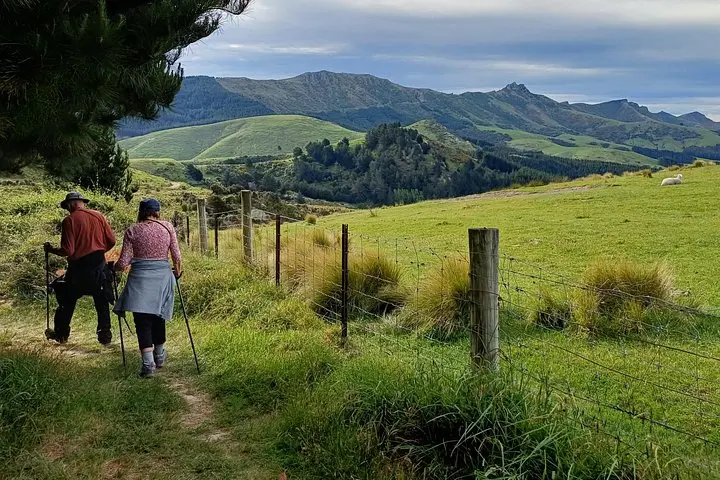
The route climbs from Gebbie’s Pass along a gravel road that threads through pine stands, then bursts into open tussock where the wind reads the map. The trail covers roughly 11 km round trip and most groups spend 3–4 hours moving between Gebbie’s Pass and Packhorse Hut, with breaks for morning tea and a guide‑served lunch at the saddle.
These “rest houses” were part of an early 20th‑century push to make the Port Hills accessible—Summit Road and its shelters were built as a public recreational route, and the volcanic bones of Banks Peninsula give the ridgeline its sweeping, weather‑scoured profile.
Expect alternating surfaces: compacted gravel, pine‑needle soft patches, and open tussock where the wind will push and the sun will press. Wildlife is subtle—Tūī and fantail flit through the scrub—while the geology rewards anyone who looks: eroded volcanic collars and ancient lava flows visible across the harbour.
Practicalities are simple but essential. Wear sturdy hiking shoes, layer for sudden southerlies, carry at least 1–1.5L of water and sun protection, and be prepared for steep, exposed sections when crossing tussock slopes. The walk suits most moderately fit travelers; guides handle logistics and lunch, and the route returns to Christchurch via a scenic coastal drive—an efficient day that pairs raw Port Hills character with easy access to the city.
The route is about 11 km round trip with 3–4 hours of walking; it’s moderate—undulating, some short steep pitches, suitable for most walkers with a reasonable fitness level.
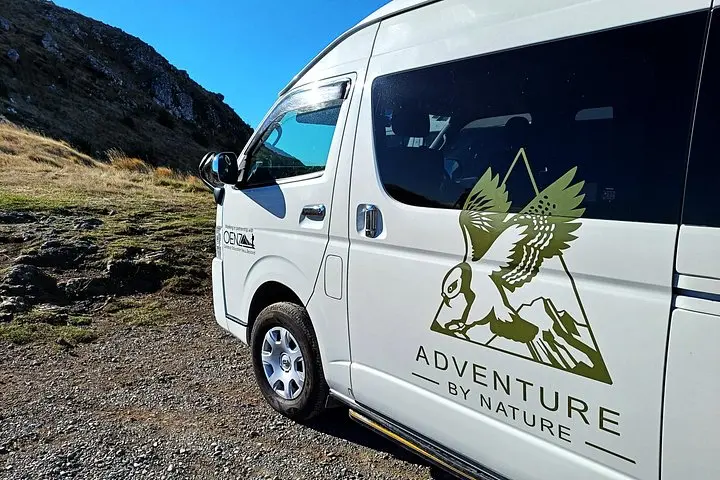
Yes—private transportation from Christchurch is provided and the tour returns via a scenic coastal drive.
Young children may join if they can comfortably manage the distance; check operator age policies and inform them at booking.
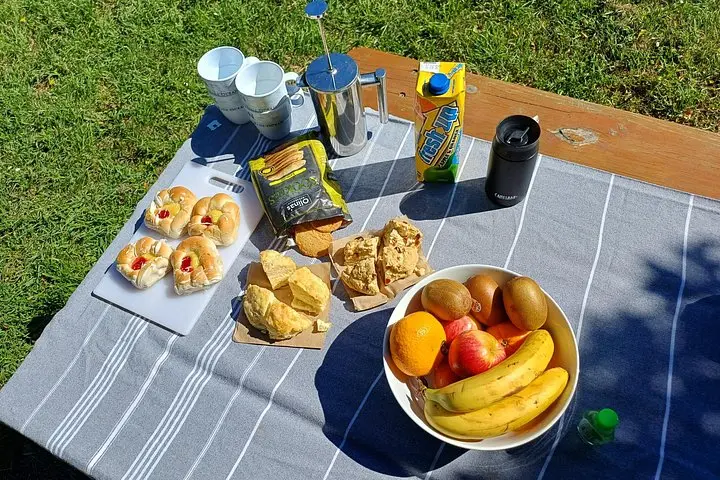
Lunch is provided by the guide, but bring snacks, personal dietary items and sufficient water—inform the operator of allergies when booking.
Adventure by Nature operates guided outdoor trips and adventures with an emphasis on safety, stewardship, and memorable experiences.
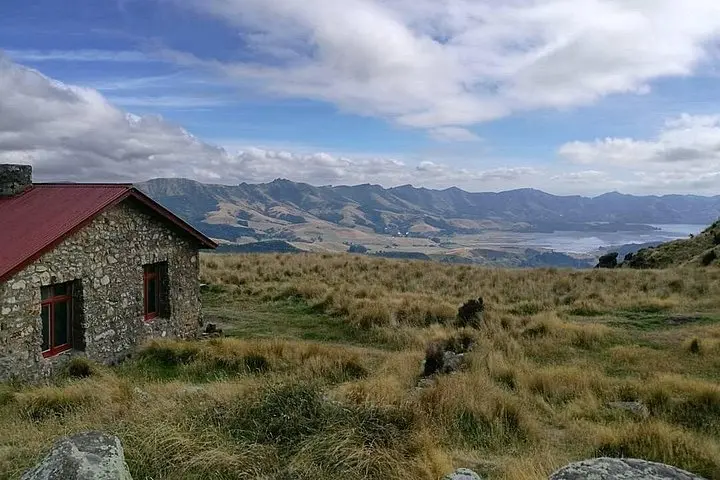
You step out of an air‑conditioned minibus on Summit Road and the harbour opens beneath you: Lyttelton’s narrow inlet glints, and the rounded shoulders of Banks Peninsula push the horizon west.
You step out of an air‑conditioned minibus on Summit Road and the harbour opens beneath you: Lyttelton’s narrow inlet glints, and the rounded shoulders of Banks Peninsula push the horizon west.
The route climbs from Gebbie’s Pass along a gravel road that threads through pine stands, then bursts into open tussock where the wind reads the map. The trail covers roughly 11 km round trip and most groups spend 3–4 hours moving between Gebbie’s Pass and Packhorse Hut, with breaks for morning tea and a guide‑served lunch at the saddle.
These “rest houses” were part of an early 20th‑century push to make the Port Hills accessible—Summit Road and its shelters were built as a public recreational route, and the volcanic bones of Banks Peninsula give the ridgeline its sweeping, weather‑scoured profile.
Expect alternating surfaces: compacted gravel, pine‑needle soft patches, and open tussock where the wind will push and the sun will press. Wildlife is subtle—Tūī and fantail flit through the scrub—while the geology rewards anyone who looks: eroded volcanic collars and ancient lava flows visible across the harbour.
Practicalities are simple but essential. Wear sturdy hiking shoes, layer for sudden southerlies, carry at least 1–1.5L of water and sun protection, and be prepared for steep, exposed sections when crossing tussock slopes. The walk suits most moderately fit travelers; guides handle logistics and lunch, and the route returns to Christchurch via a scenic coastal drive—an efficient day that pairs raw Port Hills character with easy access to the city.