THE ADVENTURE COLLECTIVE® · Independent discovery and booking for outdoor travel

Navigate 19 miles of celadon water, Class III–IV rapids and close-up rainforest on a full-day Pacuare rafting trip from San José. Expect continuous paddling, wildlife sightings and a riverside lunch.
Navigate 19 miles of celadon water, Class III–IV rapids and close-up rainforest on a full-day Pacuare rafting trip from San José. Expect continuous paddling, wildlife sightings and a riverside lunch.
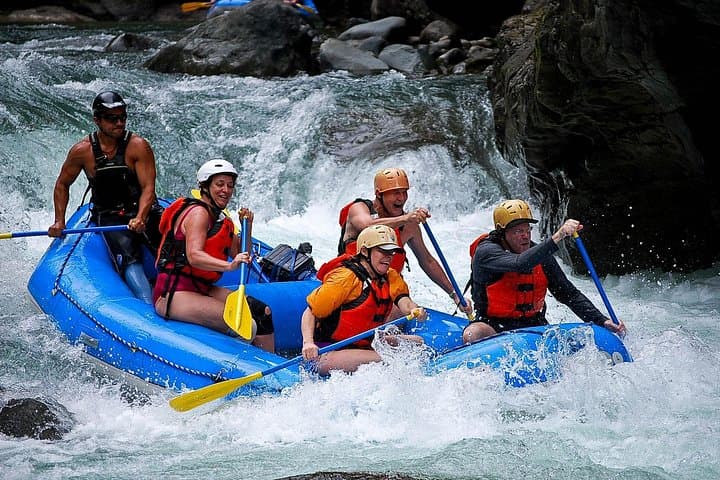
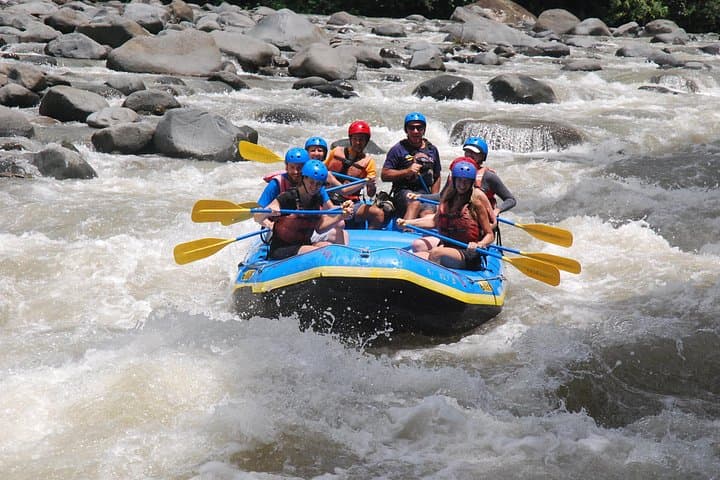
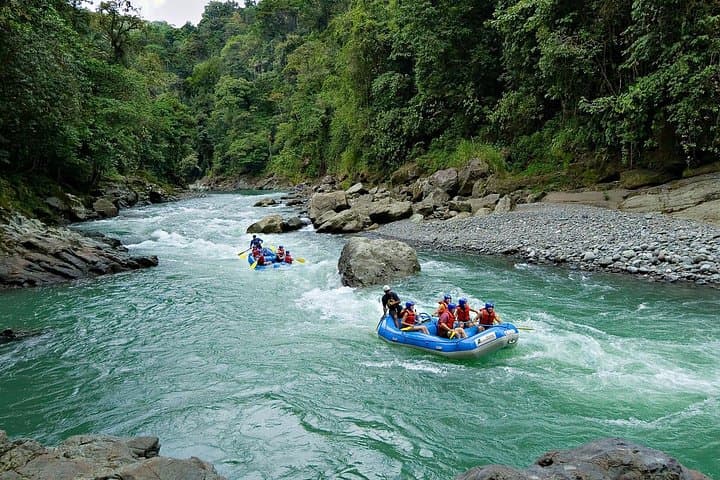
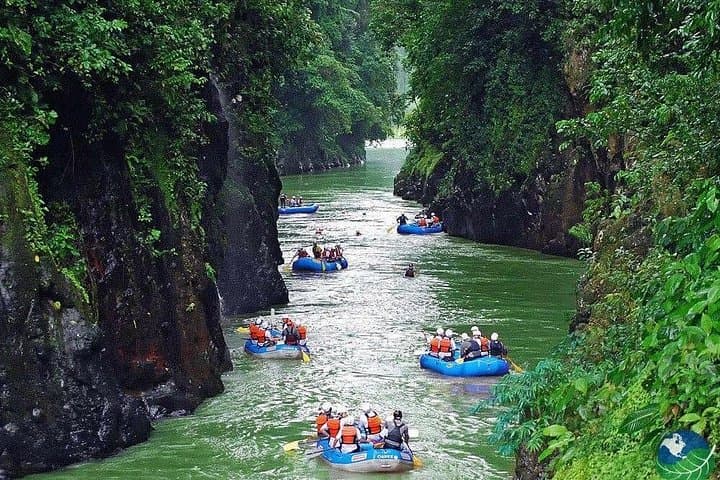
You push off into a warm, celadon current and the rainforest immediately closes like curtains around you — vines brush the raft, waterfalls drum from the cliffs, and the river dares you forward.
Verified experiences and guided adventures in the surrounding area.
Operated by Destiny Travel Costa Rica · Turrialba, Cartago
You push off into a warm, celadon current and the rainforest immediately closes like curtains around you — vines brush the raft, waterfalls drum from the cliffs, and the river dares you forward.
The Pacuare is a working river and a wild classroom: 19 miles of continuous Class III–IV whitewater that winds through the eastern Cordillera. Geologically the gorge cuts through volcanic deposits and alluvial terraces, producing steep drops, bedrock constrictions and plunge pools that make for punchy rapids named Huacas, Cimarrones and Dos Montañas. Culturally, the valley sits on lands long traversed by Bribri and Cabécar peoples and later shaped by colonial-era cattle routes; modern guides combine technical rivercraft with local stories and wildlife spotting.
Expect rainforest close enough to taste — blue morpho butterflies, toucans and the occasional sloth — and lunchtime served riverside after a safety briefing and short paddling drills. The trip runs as a long day from San José with hotel pickup, a stop in Turrialba for breakfast, then gear and guide briefing at Tres Equis.
Practical edge: rafting is continuous and physical — you should be comfortable in moving water and able to follow commands. Wear quick-dry clothing, secure footwear, sun protection and bring a small dry bag. Maximum weight and health restrictions apply, and guides will cancel if conditions are unsafe. For best river levels and clearer skies plan around Costa Rica’s dry season, but expect dramatic, leafy intensity anytime the rain comes.
No prior whitewater experience is required, but you should be comfortable in moving water, able to follow guide commands and maintain a basic paddling stance.
The full day is about 10–12 hours door-to-door from San José; it includes hotel pickup/drop-off, breakfast, lunch, professional guides, helmets, life jackets and transport by minivan.
Operators run trips year-round but may cancel if river levels are dangerously high or weather conditions pose safety risks — check cancellation policy and weather forecasts.
Minimum age is 12 and max weight ~275 lb (125 kg); not recommended for pregnant guests or those with serious heart, spine or recent surgeries — disclose health issues when booking.
Destiny Travel Costa Rica operates guided outdoor trips and adventures with an emphasis on safety, stewardship, and memorable experiences.
You push off into a warm, celadon current and the rainforest immediately closes like curtains around you — vines brush the raft, waterfalls drum from the cliffs, and the river dares you forward.
You push off into a warm, celadon current and the rainforest immediately closes like curtains around you — vines brush the raft, waterfalls drum from the cliffs, and the river dares you forward.
The Pacuare is a working river and a wild classroom: 19 miles of continuous Class III–IV whitewater that winds through the eastern Cordillera. Geologically the gorge cuts through volcanic deposits and alluvial terraces, producing steep drops, bedrock constrictions and plunge pools that make for punchy rapids named Huacas, Cimarrones and Dos Montañas. Culturally, the valley sits on lands long traversed by Bribri and Cabécar peoples and later shaped by colonial-era cattle routes; modern guides combine technical rivercraft with local stories and wildlife spotting.
Expect rainforest close enough to taste — blue morpho butterflies, toucans and the occasional sloth — and lunchtime served riverside after a safety briefing and short paddling drills. The trip runs as a long day from San José with hotel pickup, a stop in Turrialba for breakfast, then gear and guide briefing at Tres Equis.
Practical edge: rafting is continuous and physical — you should be comfortable in moving water and able to follow commands. Wear quick-dry clothing, secure footwear, sun protection and bring a small dry bag. Maximum weight and health restrictions apply, and guides will cancel if conditions are unsafe. For best river levels and clearer skies plan around Costa Rica’s dry season, but expect dramatic, leafy intensity anytime the rain comes.