THE ADVENTURE COLLECTIVE® · Independent discovery and booking for outdoor travel

Take an all-day, 18-mile run through Costa Rica’s Pacuare River Gorge, where 52 rapids—including class III–IV drops—meet steep rainforest walls and waterfalls. Expect a full-day outing with experienced guides, included transport, and wildlife viewing.
Take an all-day, 18-mile run through Costa Rica’s Pacuare River Gorge, where 52 rapids—including class III–IV drops—meet steep rainforest walls and waterfalls. Expect a full-day outing with experienced guides, included transport, and wildlife viewing.
You push off before dawn, the boat’s nose slicing a river that seems to grow louder as the rainforest leans in. Mist rises off dark water; the first set of class II–III waves rocks the raft and immediately demands teamwork. Bird calls ride the current; canyon walls close, then explode into a five-mile gorge where the river dares you forward.
Verified experiences and guided adventures in the surrounding area.
Operated by Costa Rica Groups Travel Company · Siquirres, Limón
You push off before dawn, the boat’s nose slicing a river that seems to grow louder as the rainforest leans in. Mist rises off dark water; the first set of class II–III waves rocks the raft and immediately demands teamwork. Bird calls ride the current; canyon walls close, then explode into a five-mile gorge where the river dares you forward.
The Pacuare has carried people and goods for centuries—used historically by indigenous groups and later by small farms moving cacao and supplies to the Caribbean. Geologically, the gorge cuts through volcanic uplands and older sedimentary layers, producing steep cliffs, plunge pools, and waterfalls like the 150-foot Huacas drop.
Local culture along the banks blends Bribri and Cabécar influences with Caribbean settlements; guides often share stories of wildlife, river lore, and conservation efforts that have helped keep sections of the river largely intact.
Practical guidance: this is a full-day trip (expect long transfers from San José) over roughly 18 miles of river with sustained class III–IV rapids in the gorge. Bring secure water shoes, quick-dry clothing, sunscreen, and a willingness to paddle on command. Guides provide helmets, PFDs, and instruction; swimming ability and basic fitness are required. Lunch and transfers are usually included, and showers/warm drinks are available at the take-out.
Timing matters—low season brings higher water and bigger rapids; dry months offer warmer weather and clearer wildlife viewing. Respect wildlife, follow guide instructions, and leave nothing behind—the river responds to how you treat it.
The route includes sustained class III–IV rapids through the Pacuare Gorge—exciting but guided; previous rafting experience is helpful but not required if you are comfortable in moving water.
Yes; most operators provide air-conditioned pickup and drop-off from San José with early morning departures and return in the evening.
Minimum age is typically 12 years; travelers should have at least a moderate level of fitness and no serious heart or spinal conditions.
Yes; the calmer lower valley and forested canyon are prime for sightings like toucans, sloths, parrots, coatis, and frogs—bring binoculars for the best views.
Costa Rica Groups Travel Company operates guided outdoor trips and adventures with an emphasis on safety, stewardship, and memorable experiences.
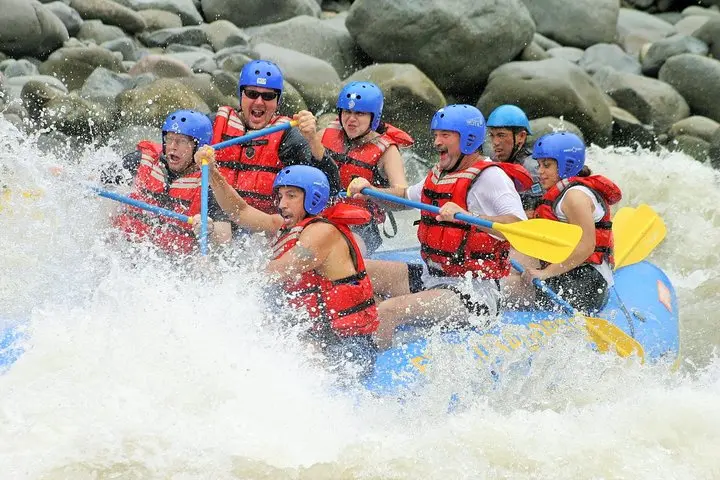
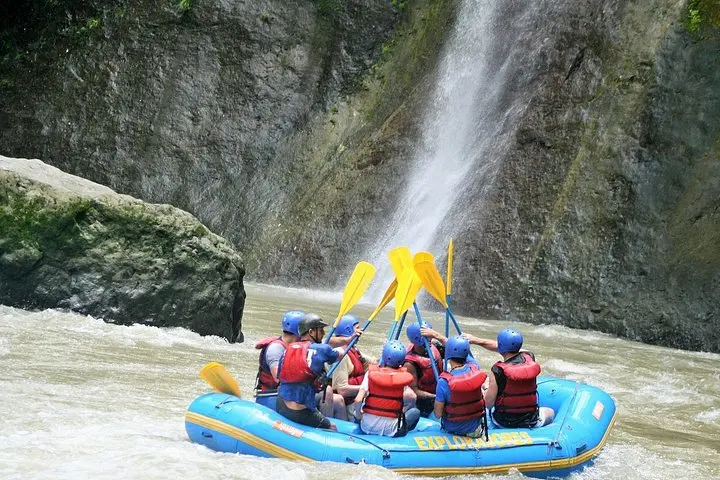
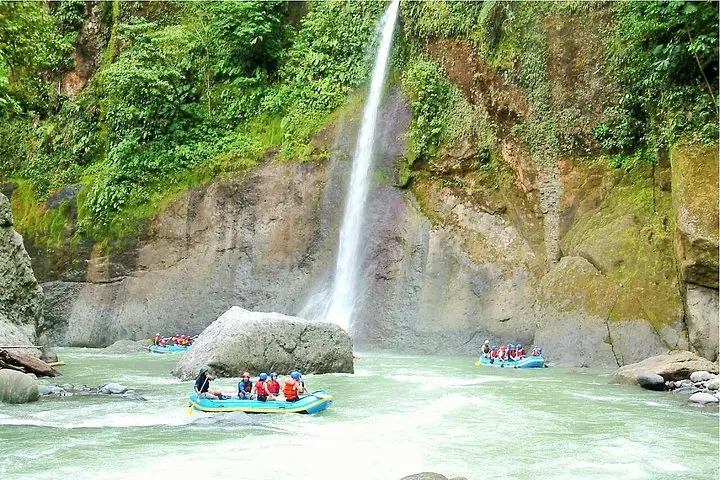
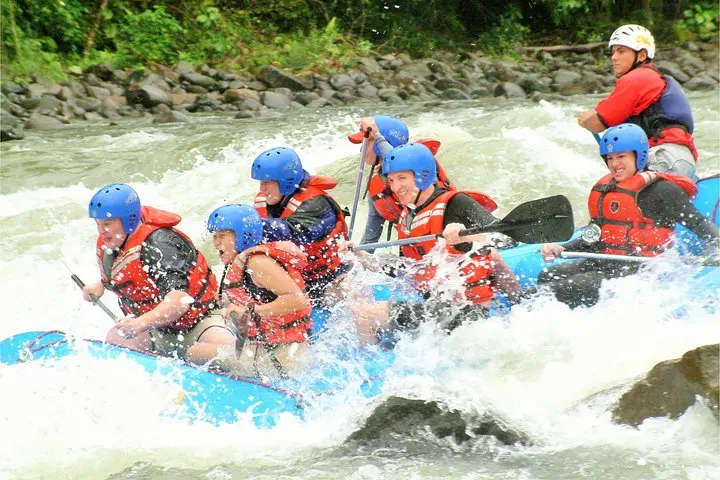
You push off before dawn, the boat’s nose slicing a river that seems to grow louder as the rainforest leans in. Mist rises off dark water; the first set of class II–III waves rocks the raft and immediately demands teamwork. Bird calls ride the current; canyon walls close, then explode into a five-mile gorge where the river dares you forward.
You push off before dawn, the boat’s nose slicing a river that seems to grow louder as the rainforest leans in. Mist rises off dark water; the first set of class II–III waves rocks the raft and immediately demands teamwork. Bird calls ride the current; canyon walls close, then explode into a five-mile gorge where the river dares you forward.
The Pacuare has carried people and goods for centuries—used historically by indigenous groups and later by small farms moving cacao and supplies to the Caribbean. Geologically, the gorge cuts through volcanic uplands and older sedimentary layers, producing steep cliffs, plunge pools, and waterfalls like the 150-foot Huacas drop.
Local culture along the banks blends Bribri and Cabécar influences with Caribbean settlements; guides often share stories of wildlife, river lore, and conservation efforts that have helped keep sections of the river largely intact.
Practical guidance: this is a full-day trip (expect long transfers from San José) over roughly 18 miles of river with sustained class III–IV rapids in the gorge. Bring secure water shoes, quick-dry clothing, sunscreen, and a willingness to paddle on command. Guides provide helmets, PFDs, and instruction; swimming ability and basic fitness are required. Lunch and transfers are usually included, and showers/warm drinks are available at the take-out.
Timing matters—low season brings higher water and bigger rapids; dry months offer warmer weather and clearer wildlife viewing. Respect wildlife, follow guide instructions, and leave nothing behind—the river responds to how you treat it.