THE ADVENTURE COLLECTIVE® · Independent discovery and booking for outdoor travel

Float through Amsterdam East on a relaxed, guided 6 km canoe loop from Borneo Island to the maritime heart of the city. Expect calm water, historian-guides, and a local swim spot to finish.
Float through Amsterdam East on a relaxed, guided 6 km canoe loop from Borneo Island to the maritime heart of the city. Expect calm water, historian-guides, and a local swim spot to finish.
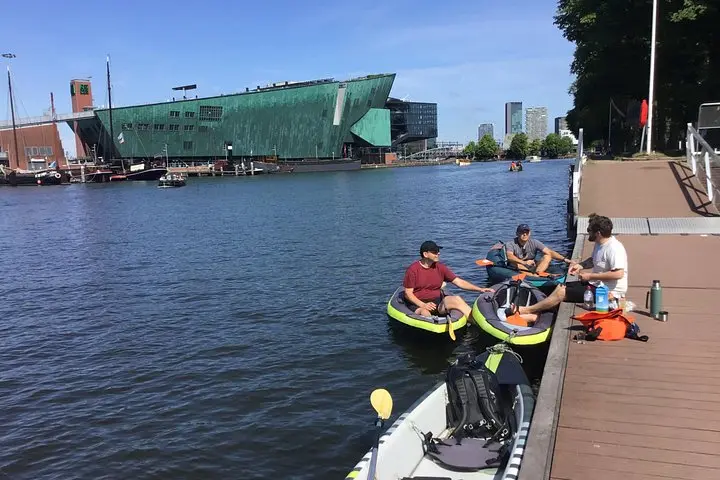
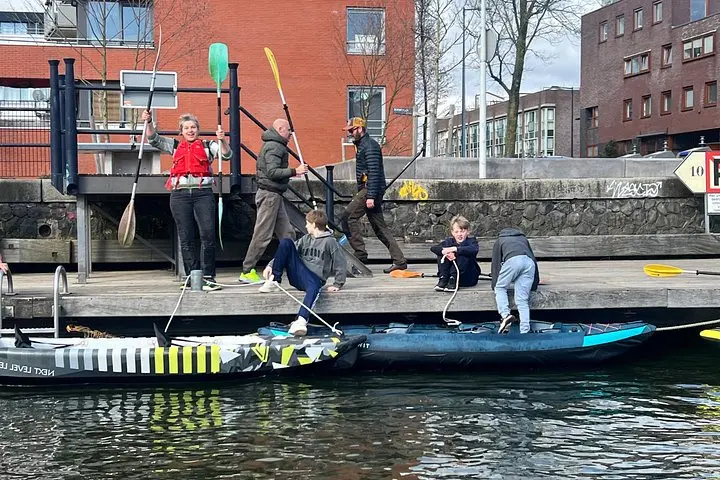
Morning light slices between brick warehouses as the group steps off a narrow quay and into the slow-moving canals of Amsterdam East. The guide fits life vests, pours coffee, and passes around stroopwafels; the city's industrial bones — docks, shipyards, and reinvented islands — slip by at canoe height.
Verified experiences and guided adventures in the surrounding area.
Operated by Jorden Raijmakers · Amsterdam, North Holland
Morning light slices between brick warehouses as the group steps off a narrow quay and into the slow-moving canals of Amsterdam East. The guide fits life vests, pours coffee, and passes around stroopwafels; the city's industrial bones — docks, shipyards, and reinvented islands — slip by at canoe height.
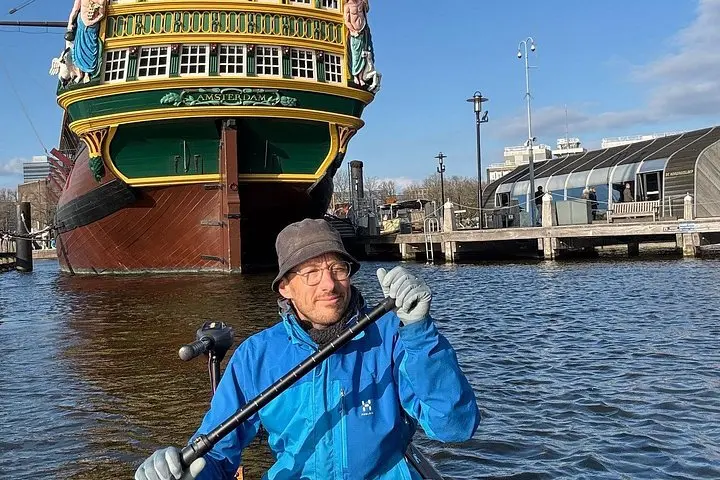
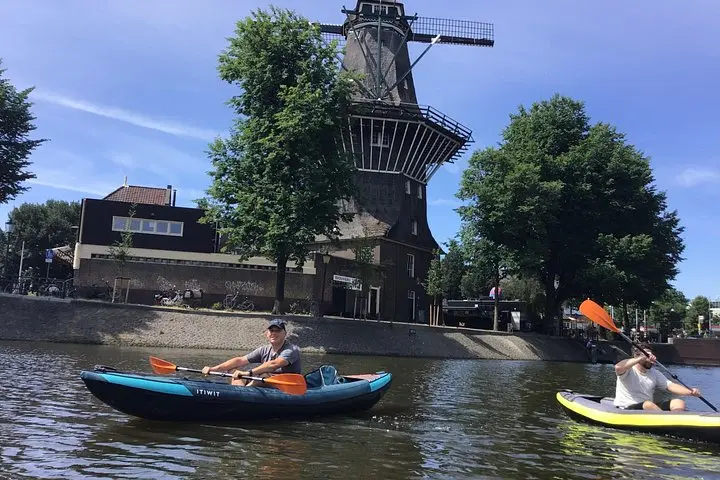
This route begins at Borneo Island in the Eastern Docklands and covers roughly 6 km of calm water through Nieuwe Vaart, past Museum Shipyard 't Kromhout, the maritime museum and the Open Havenfront. Paddle lines trace 19th-century trade routes and 20th-century reclamation projects; the eastern islands themselves are modern urban experiments built atop former quays and warehouses.
Geology here is reclaimed peat and river sediments; engineering rather than raw rock shapes the shoreline. Culturally the route connects Amsterdam’s seafaring past with current residential renewal — you’ll see houseboats, restored warehouses, and the silhouette of Nemo and Artis on the skyline.
Practical guidance: the tour runs about three hours and moves at an easy pace with stops for orientation and views. Mornings are calmest; expect some splashing and bring shoes you don’t mind getting wet. Guides provide waterproof bags and bilingual commentary; swimmers can bring gear to cool off at the swim spot after the tour. Physically, basic paddling endurance and core stability are enough — the crew keeps pace consistent and offers technique pointers for newcomers.
This outing is ideal for anyone wanting a low-impact, urban-waterway paddle that mixes history, architecture, and the chance to watch city life from the canal’s quiet center.
No, guides provide basic instruction and steer a relaxed pace; beginners are welcome as long as they can sit and paddle.
You do not need to be a strong swimmer to join — life vests are provided and required — but basic comfort in water is recommended if you plan to swim afterward.
The operator may cancel or reschedule in heavy rain, high winds, or freezing conditions; you can receive a full refund if canceled more than 24 hours before the tour.
The tour includes a coffee/tea stop with cookies at the start and finishes near a local swim spot and neighborhood cafés; plan accordingly for larger meals.
Jorden Raijmakers operates guided outdoor trips and adventures with an emphasis on safety, stewardship, and memorable experiences.
Morning light slices between brick warehouses as the group steps off a narrow quay and into the slow-moving canals of Amsterdam East. The guide fits life vests, pours coffee, and passes around stroopwafels; the city's industrial bones — docks, shipyards, and reinvented islands — slip by at canoe height.
Morning light slices between brick warehouses as the group steps off a narrow quay and into the slow-moving canals of Amsterdam East. The guide fits life vests, pours coffee, and passes around stroopwafels; the city's industrial bones — docks, shipyards, and reinvented islands — slip by at canoe height.
This route begins at Borneo Island in the Eastern Docklands and covers roughly 6 km of calm water through Nieuwe Vaart, past Museum Shipyard 't Kromhout, the maritime museum and the Open Havenfront. Paddle lines trace 19th-century trade routes and 20th-century reclamation projects; the eastern islands themselves are modern urban experiments built atop former quays and warehouses.
Geology here is reclaimed peat and river sediments; engineering rather than raw rock shapes the shoreline. Culturally the route connects Amsterdam’s seafaring past with current residential renewal — you’ll see houseboats, restored warehouses, and the silhouette of Nemo and Artis on the skyline.
Practical guidance: the tour runs about three hours and moves at an easy pace with stops for orientation and views. Mornings are calmest; expect some splashing and bring shoes you don’t mind getting wet. Guides provide waterproof bags and bilingual commentary; swimmers can bring gear to cool off at the swim spot after the tour. Physically, basic paddling endurance and core stability are enough — the crew keeps pace consistent and offers technique pointers for newcomers.
This outing is ideal for anyone wanting a low-impact, urban-waterway paddle that mixes history, architecture, and the chance to watch city life from the canal’s quiet center.