THE ADVENTURE COLLECTIVE® · Independent discovery and booking for outdoor travel

Glide through mangrove tunnels, scan sand flats for manatees, and stretch out on a shell-laden beach—this 2.5–3 hour guided kayak eco tour at Bunche Beach combines easy paddling with rich wildlife viewing and local ecological insight.
Glide through mangrove tunnels, scan sand flats for manatees, and stretch out on a shell-laden beach—this 2.5–3 hour guided kayak eco tour at Bunche Beach combines easy paddling with rich wildlife viewing and local ecological insight.
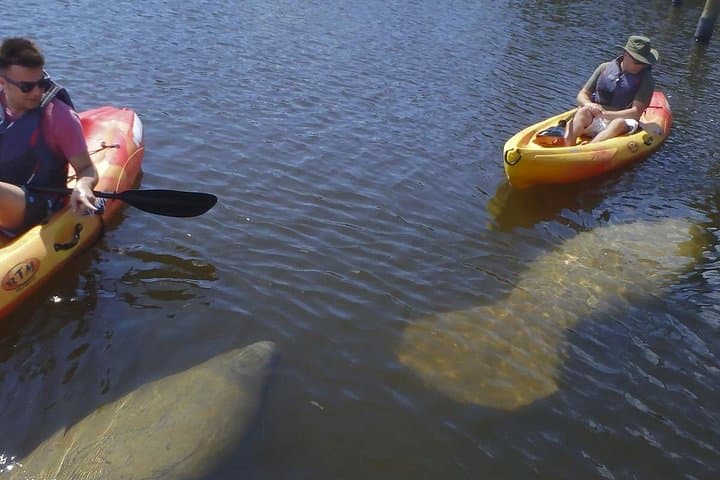
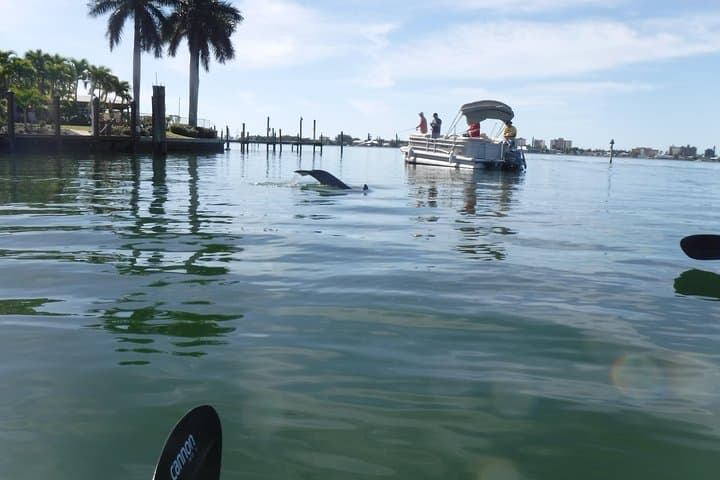
The first strokes break the glassy water of a shallow estuary and the mangroves seem to lean in, as if curious. A half-mile out, the bay opens and sunlight skitters off sand flats; dolphins arc in the channel and a manatee lifts a blunt nose to sniff the surface. On the Guided Kayak Eco Tour at Bunche Beach, three hours feels like a natural rhythm—paddle, breathe, scan—where wildlife sets the pace and the shoreline keeps the score.
Verified experiences and guided adventures in the surrounding area.
Operated by Kayak Excursions · Fort Myers, Florida
The first strokes break the glassy water of a shallow estuary and the mangroves seem to lean in, as if curious. A half-mile out, the bay opens and sunlight skitters off sand flats; dolphins arc in the channel and a manatee lifts a blunt nose to sniff the surface. On the Guided Kayak Eco Tour at Bunche Beach, three hours feels like a natural rhythm—paddle, breathe, scan—where wildlife sets the pace and the shoreline keeps the score.
Bunche Beach sits on the edge of Estero Bay, a mixing ground of salt and fresh that formed over millennia as sea levels shifted and shells consolidated into the beaches you’ll skim past. Long before modern maps, the Calusa people navigated these waters in canoes, harvesting fish and shaping a culture tied to the tides. Today the mangrove tunnels and low sandbars provide habitat for egrets, roseate spoonbills, and osprey; they also act as living seawalls, trapping sediment and calming storm surge.
Geology here is simple and legible: shallow sandy flats, exposed at low tide, and finger-like mangrove islands that force currents into fingered lanes. The ecology is intimate—look into the root curtains for crabs and juvenile fish, and listen for the hollow clack of a heron landing. Local guides interpret those small details, pointing out subtle differences between a green and a white mangrove, or the telltale signs a dolphin has been feeding nearby.
The tour mixes paddling with short beach stops for shell searches and photos. It’s an accessible outing—kayaks and lifejackets are provided—but the bay can be deceptively wide on breezy days, so guides plan routes with tides and winds in mind. This isn’t a whitewater run; it’s a lesson in attention: the wind, the current, and the birds all have agency.
Practicalities: expect 2.5–3 hours on the water. Wear quick-drying layers, a hat, reef-appropriate shoes, and reef-safe sunscreen. Bring a refillable water bottle in a dry bag; cameras with a tether are recommended. If you’re intent on wildlife photography, mornings are usually quieter and richer for bird activity, while sunsets paint the mangroves in low, warm light.
Accessibility and conservation are part of the experience—rangers and local groups work to protect these flats and the creatures that depend on them. Leave no trace, keep distance from hauled-out wildlife, and follow your guide’s instructions when navigating narrow channels. Paddle here and you’ll leave with the feel of salt on your skin, a better eye for estuarine life, and a clearer sense of why these shorelines matter.
No—this tour is beginner-friendly; guides provide a brief skills overview and stick to sheltered channels, but you should be comfortable paddling for up to three hours.
Yes—lifejackets and single or tandem kayaks are included in the tour price.
Expect dolphins, manatees, shorebirds like spoonbills and egrets, plus turtles and rays near sandbars—sightings depend on season and tide.
The operator notes wheelchair-accessible facilities and parking, but launching into kayaks requires stepping down; contact the provider about specific accessibility needs.
Yes—families can participate, but small children should be supervised and may need to ride in tandem kayaks with an adult.
Full refunds are available if you cancel at least 24 hours before departure; the tour may be canceled for bad weather or low participant numbers.
Kayak Excursions operates guided outdoor trips and adventures with an emphasis on safety, stewardship, and memorable experiences.


The first strokes break the glassy water of a shallow estuary and the mangroves seem to lean in, as if curious. A half-mile out, the bay opens and sunlight skitters off sand flats; dolphins arc in the channel and a manatee lifts a blunt nose to sniff the surface. On the Guided Kayak Eco Tour at Bunche Beach, three hours feels like a natural rhythm—paddle, breathe, scan—where wildlife sets the pace and the shoreline keeps the score.
The first strokes break the glassy water of a shallow estuary and the mangroves seem to lean in, as if curious. A half-mile out, the bay opens and sunlight skitters off sand flats; dolphins arc in the channel and a manatee lifts a blunt nose to sniff the surface. On the Guided Kayak Eco Tour at Bunche Beach, three hours feels like a natural rhythm—paddle, breathe, scan—where wildlife sets the pace and the shoreline keeps the score.
Bunche Beach sits on the edge of Estero Bay, a mixing ground of salt and fresh that formed over millennia as sea levels shifted and shells consolidated into the beaches you’ll skim past. Long before modern maps, the Calusa people navigated these waters in canoes, harvesting fish and shaping a culture tied to the tides. Today the mangrove tunnels and low sandbars provide habitat for egrets, roseate spoonbills, and osprey; they also act as living seawalls, trapping sediment and calming storm surge.
Geology here is simple and legible: shallow sandy flats, exposed at low tide, and finger-like mangrove islands that force currents into fingered lanes. The ecology is intimate—look into the root curtains for crabs and juvenile fish, and listen for the hollow clack of a heron landing. Local guides interpret those small details, pointing out subtle differences between a green and a white mangrove, or the telltale signs a dolphin has been feeding nearby.
The tour mixes paddling with short beach stops for shell searches and photos. It’s an accessible outing—kayaks and lifejackets are provided—but the bay can be deceptively wide on breezy days, so guides plan routes with tides and winds in mind. This isn’t a whitewater run; it’s a lesson in attention: the wind, the current, and the birds all have agency.
Practicalities: expect 2.5–3 hours on the water. Wear quick-drying layers, a hat, reef-appropriate shoes, and reef-safe sunscreen. Bring a refillable water bottle in a dry bag; cameras with a tether are recommended. If you’re intent on wildlife photography, mornings are usually quieter and richer for bird activity, while sunsets paint the mangroves in low, warm light.
Accessibility and conservation are part of the experience—rangers and local groups work to protect these flats and the creatures that depend on them. Leave no trace, keep distance from hauled-out wildlife, and follow your guide’s instructions when navigating narrow channels. Paddle here and you’ll leave with the feel of salt on your skin, a better eye for estuarine life, and a clearer sense of why these shorelines matter.