THE ADVENTURE COLLECTIVE® · Independent discovery and booking for outdoor travel

Paddle beyond the usual routes off Jávea to explore the cave at Cabo de San Antonio, snorkel clear pockets of the marine reserve, and try guided cliff jumps at Cala Tango. This 3–4 hour guided tour blends exploration, ecology, and adrenaline with local expertise.
Paddle beyond the usual routes off Jávea to explore the cave at Cabo de San Antonio, snorkel clear pockets of the marine reserve, and try guided cliff jumps at Cala Tango. This 3–4 hour guided tour blends exploration, ecology, and adrenaline with local expertise.
A low wake parts the Mediterranean as you push off from the pebble ramp and head east toward Cabo de San Antonio. Salted wind tugs at the kayak while the cliff face looms, dark mouth of the cave visible where the sea has gnawed at limestone for millennia. Guides keep a steady cadence; the cave entrance narrows and the water changes from turquoise to deep cobalt as you slip inside.
Verified experiences and guided adventures in the surrounding area.
Operated by Siesta Advisor · Xàbia (Jávea), Alicante
A low wake parts the Mediterranean as you push off from the pebble ramp and head east toward Cabo de San Antonio. Salted wind tugs at the kayak while the cliff face looms, dark mouth of the cave visible where the sea has gnawed at limestone for millennia. Guides keep a steady cadence; the cave entrance narrows and the water changes from turquoise to deep cobalt as you slip inside.
Geology here is blunt and readable: raised limestone cliffs, wave-cut caves, and rocky platforms created by tectonic uplift and relentless erosion. The cape has been a maritime landmark for centuries—fishermen and coastal watchkeepers used its heights to read shipping lanes and currents. Today those same currents cradle Posidonia seagrass beds, a living seabed that sustains fish and octopus and gives the reserve ecological value.
Practically, expect a 3–4 hour outing with stretches of calm paddling, short swims while snorkeling, and a supervised cliff-jump at Cala Tango. Guides provide carbon-fiber paddles, life jackets, water shoes, dry storage and snorkeling gear; basic paddling skill and comfort in open water make the trip smoother. Bring sun protection, a small dry bag for phone/ID, and a lightweight wetsuit if visiting outside midsummer.
The route balances exploration with education—guides point out marine habitats and local maritime history while keeping navigation tight around protected zones. Timing matters: morning light eases cave entry and keeps winds down; late afternoon returns give warmer sea temperatures but more boat traffic. Follow guide instructions in the reserve to protect seagrass beds and marine life.
Participants should have a moderate level of fitness—able to paddle intermittently for several 10–30 minute stretches and comfortable swimming in open water.
Yes—guides supply snorkeling masks and fins; bring prescription masks if needed for fit.
Beginners can join; guides coach basic paddling and control. Cave entry is supervised and depends on sea conditions and group skill.
Children 4–12 must be accompanied by an adult; participants must weigh 100 kg (220 lb) or less per operator limits—check at booking for special cases.
Siesta Advisor operates guided outdoor trips and adventures with an emphasis on safety, stewardship, and memorable experiences.
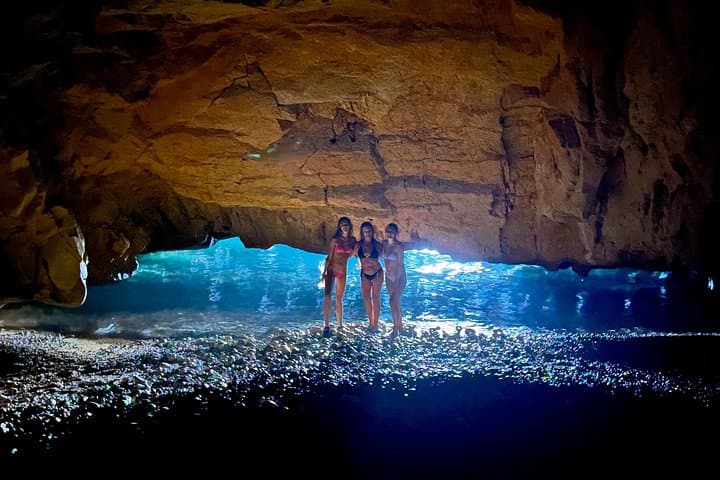
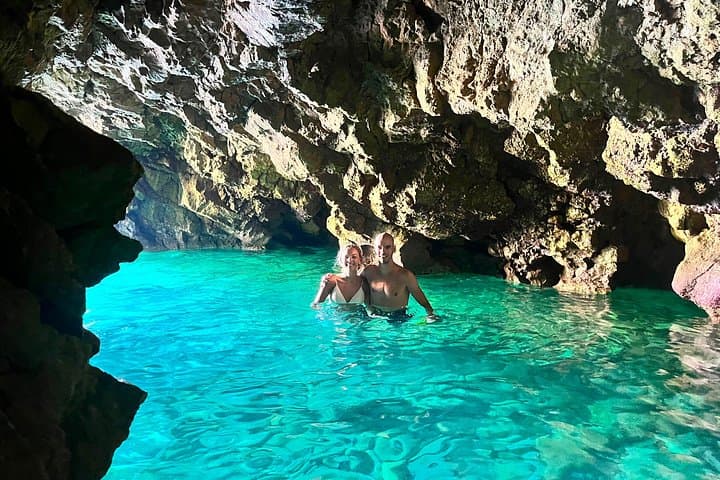
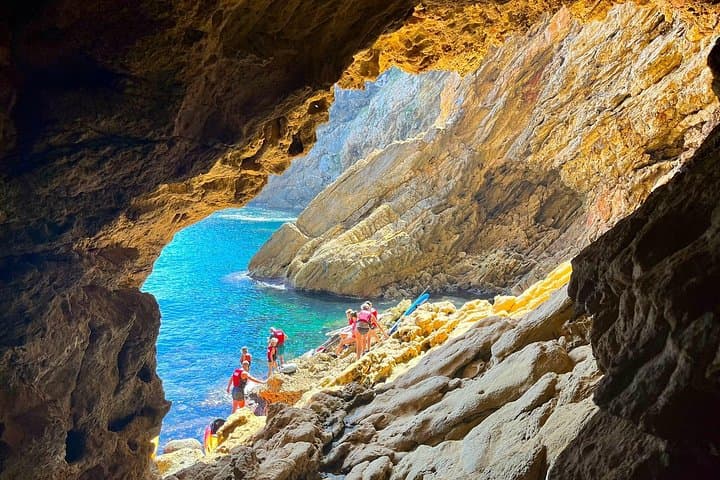

A low wake parts the Mediterranean as you push off from the pebble ramp and head east toward Cabo de San Antonio. Salted wind tugs at the kayak while the cliff face looms, dark mouth of the cave visible where the sea has gnawed at limestone for millennia. Guides keep a steady cadence; the cave entrance narrows and the water changes from turquoise to deep cobalt as you slip inside.
A low wake parts the Mediterranean as you push off from the pebble ramp and head east toward Cabo de San Antonio. Salted wind tugs at the kayak while the cliff face looms, dark mouth of the cave visible where the sea has gnawed at limestone for millennia. Guides keep a steady cadence; the cave entrance narrows and the water changes from turquoise to deep cobalt as you slip inside.
Geology here is blunt and readable: raised limestone cliffs, wave-cut caves, and rocky platforms created by tectonic uplift and relentless erosion. The cape has been a maritime landmark for centuries—fishermen and coastal watchkeepers used its heights to read shipping lanes and currents. Today those same currents cradle Posidonia seagrass beds, a living seabed that sustains fish and octopus and gives the reserve ecological value.
Practically, expect a 3–4 hour outing with stretches of calm paddling, short swims while snorkeling, and a supervised cliff-jump at Cala Tango. Guides provide carbon-fiber paddles, life jackets, water shoes, dry storage and snorkeling gear; basic paddling skill and comfort in open water make the trip smoother. Bring sun protection, a small dry bag for phone/ID, and a lightweight wetsuit if visiting outside midsummer.
The route balances exploration with education—guides point out marine habitats and local maritime history while keeping navigation tight around protected zones. Timing matters: morning light eases cave entry and keeps winds down; late afternoon returns give warmer sea temperatures but more boat traffic. Follow guide instructions in the reserve to protect seagrass beds and marine life.