THE ADVENTURE COLLECTIVE® · Independent discovery and booking for outdoor travel

Paddle a clear kayak through Mosquito Bay and watch the water flare with neon at every stroke. This guided night tour in Vieques combines simple paddling, local ecology and unforgettable bioluminescence.
Paddle a clear kayak through Mosquito Bay and watch the water flare with neon at every stroke. This guided night tour in Vieques combines simple paddling, local ecology and unforgettable bioluminescence.
The night arrives as a washed ink sky and the water begins to answer with light. You ease into a clear kayak and the mangrove-fringed channel narrows; each paddle stroke wakes a neon trail beneath the hull, as if something below the surface is writing back to you.
Verified experiences and guided adventures in the surrounding area.
Operated by Tropical Reef jetski · Isabel Segunda, Puerto Rico
The night arrives as a washed ink sky and the water begins to answer with light. You ease into a clear kayak and the mangrove-fringed channel narrows; each paddle stroke wakes a neon trail beneath the hull, as if something below the surface is writing back to you.
Mosquito Bay (Bahía Mosquito) on Vieques is famous for the density of bioluminescent dinoflagellates (Pyrodinium bahamense) that light up when disturbed. The bay’s shallow geometry, warm waters and surrounding mangroves create the right conditions for this phenomenon. Vieques itself carries layers of history — Taíno heritage, Spanish colonial influences and decades of U.S. Navy presence that shaped modern conservation efforts and local culture.
On a guided night kayak, expect quiet instruction, steady pacing and a focus on minimizing light. The guides will point out ecological bits — mangrove roots that cradle juvenile fish, and seabirds that sleep in the dark — and explain how the organisms react to motion. The experience is sensory: the water nudges, the paddle slices through phosphorescent arcs, and the sky reads like a rival of the sea.
Practicalities: tours usually last about 1–2 hours and require a short shore transfer. Bring a waterproof phone case, wear quick-dry layers and avoid scented lotions or non-reef-safe sunscreen. Respect the guides’ rules about lights and distance from the mangroves; the brightest experiences come from stillness and low impact. For first-time paddlers this is an easy, unforgettable introduction to a rare natural light show.
Intensity varies with tides, moon phase and recent weather; new moon and calm nights generally give the strongest glow, but guides choose launch times to maximize visibility.
Yes—tours use stable clear kayaks and provide life vests; children are allowed but must follow guide instructions and infants typically sit on laps as policies allow.
No—guides provide basic instruction and keep a steady pace; the route is sheltered and designed for beginners.
Most visitors reach Vieques by ferry from Ceiba or by small plane; the tour doesn’t include ferry tickets but may offer a return drop-off to the ferry port for the first scheduled tour.
Tropical Reef jetski operates guided outdoor trips and adventures with an emphasis on safety, stewardship, and memorable experiences.
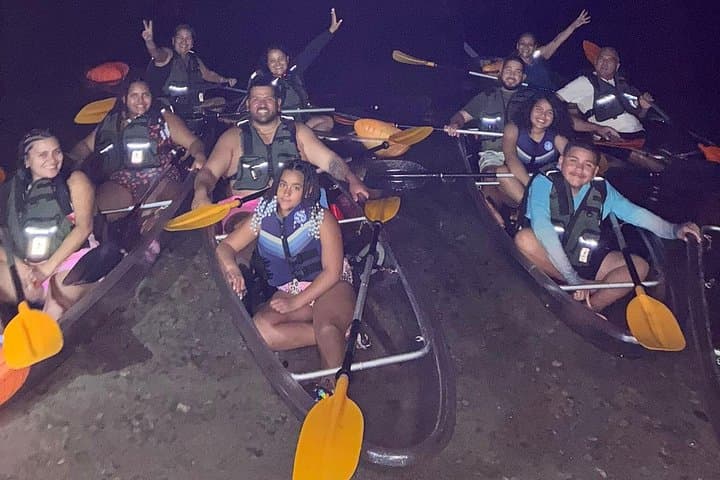
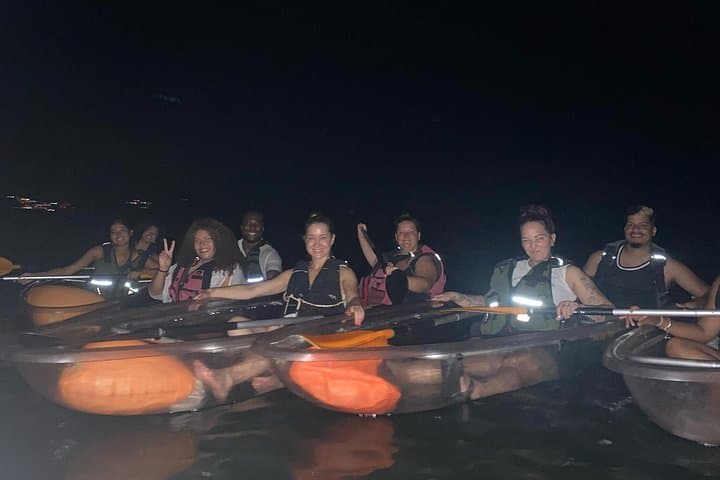
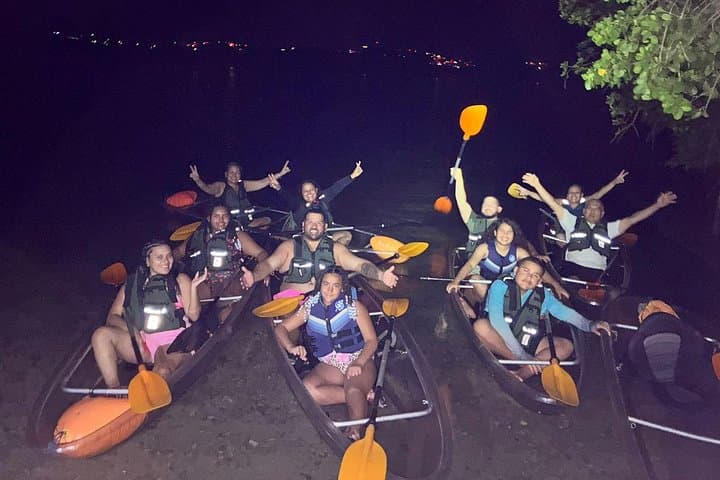
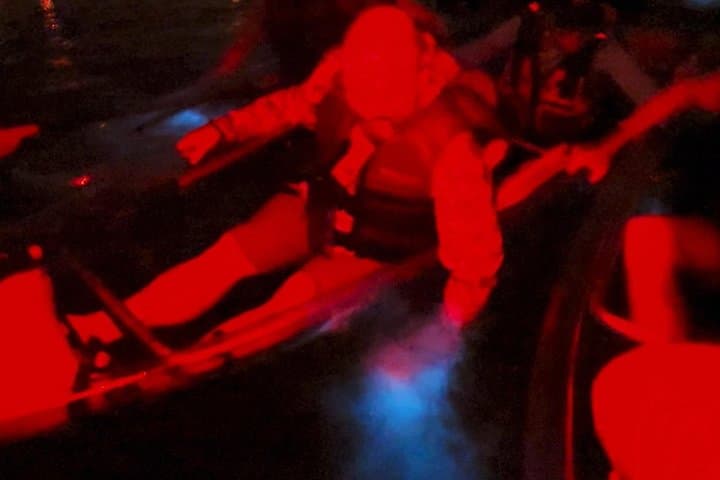
The night arrives as a washed ink sky and the water begins to answer with light. You ease into a clear kayak and the mangrove-fringed channel narrows; each paddle stroke wakes a neon trail beneath the hull, as if something below the surface is writing back to you.
The night arrives as a washed ink sky and the water begins to answer with light. You ease into a clear kayak and the mangrove-fringed channel narrows; each paddle stroke wakes a neon trail beneath the hull, as if something below the surface is writing back to you.
Mosquito Bay (Bahía Mosquito) on Vieques is famous for the density of bioluminescent dinoflagellates (Pyrodinium bahamense) that light up when disturbed. The bay’s shallow geometry, warm waters and surrounding mangroves create the right conditions for this phenomenon. Vieques itself carries layers of history — Taíno heritage, Spanish colonial influences and decades of U.S. Navy presence that shaped modern conservation efforts and local culture.
On a guided night kayak, expect quiet instruction, steady pacing and a focus on minimizing light. The guides will point out ecological bits — mangrove roots that cradle juvenile fish, and seabirds that sleep in the dark — and explain how the organisms react to motion. The experience is sensory: the water nudges, the paddle slices through phosphorescent arcs, and the sky reads like a rival of the sea.
Practicalities: tours usually last about 1–2 hours and require a short shore transfer. Bring a waterproof phone case, wear quick-dry layers and avoid scented lotions or non-reef-safe sunscreen. Respect the guides’ rules about lights and distance from the mangroves; the brightest experiences come from stillness and low impact. For first-time paddlers this is an easy, unforgettable introduction to a rare natural light show.