THE ADVENTURE COLLECTIVE® · Independent discovery and booking for outdoor travel

Float beneath the Bridge of Lions and into tidal creeks on a 2‑hour guided kayak trip from St. Augustine Municipal Marina. Expect stable tandem boats, marine-naturalist commentary, and close-up encounters with shorebirds and saltmarsh life.
Float beneath the Bridge of Lions and into tidal creeks on a 2‑hour guided kayak trip from St. Augustine Municipal Marina. Expect stable tandem boats, marine-naturalist commentary, and close-up encounters with shorebirds and saltmarsh life.
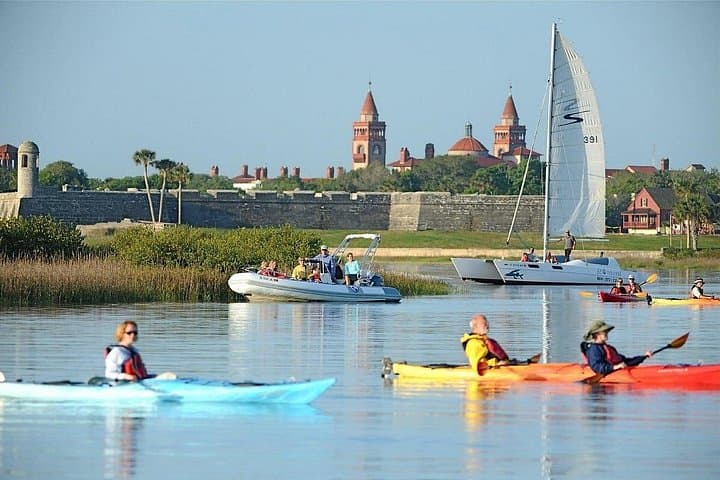
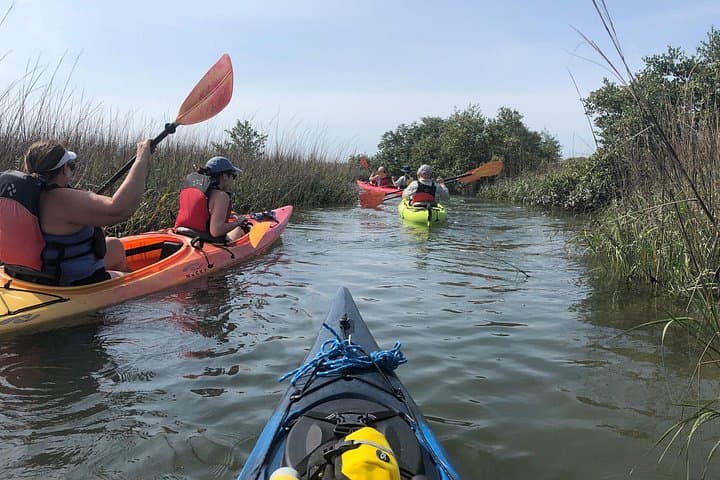
Paddling out from the St. Augustine Municipal Marina, the Bridge of Lions frames the city like a threshold — stone arches above, tidal creeks weaving below. Guides seat pairs in stable, rudder-controlled tandems, and the first beats of instruction dissolve into the quiet of marsh grass and oyster-lined edges where egrets hunt and fiddler crabs chatter.
Verified experiences and guided adventures in the surrounding area.
Operated by St. Augustine ECO Tours · St. Augustine, Florida
Paddling out from the St. Augustine Municipal Marina, the Bridge of Lions frames the city like a threshold — stone arches above, tidal creeks weaving below. Guides seat pairs in stable, rudder-controlled tandems, and the first beats of instruction dissolve into the quiet of marsh grass and oyster-lined edges where egrets hunt and fiddler crabs chatter.
This two-hour route threads past living history: the Spanish fort (Castillo de San Marcos) and the colonial mission grounds, built on coquina and sand that record centuries of changing tides and settlement. Geologically the estuary is a dynamic mixing zone — saltwater pushes inland with the tide while riverine sediment builds marsh platforms that sustain cordgrass and mangroves. Guides double as marine naturalists, pointing out shellfish beds, migratory birds, and the human stories tied to these shores.
Travelers should expect a hands-on experience: a brief paddling clinic on land, safety protocol, then a guided circuit under the Bridge of Lions and into quiet backchannels. The water is generally sheltered but tidal timing influences current and access to narrow creeks. Early morning or late afternoon offers cooler temperatures and higher wildlife activity; midday brings more boat traffic near the marina.
Practical notes: wear sun protection, bring a refillable water bottle and a lightweight windbreaker for breezy conditions. Shoes that can get wet are fine; bathrooms are available at the marina. Parking in the historic district can take time, so arrive early. For beginners, the combination of stable boats, guided instruction, and short duration makes this an accessible coastal outing that highlights both nature and history.
No — the tour includes a land-based paddling clinic and uses stable tandem kayaks suitable for beginners.
Guides aim to approach quietly; expect close views of shorebirds, herons, and occasional fishes, but maintain respectful distance to avoid disturbance.
Public restrooms are available at the marina; parking in the historic district can be limited, so allow extra time to find a spot.
Trips are refundable if canceled at least 24 hours before departure; the operator may cancel in unsafe weather and issue a refund per their policy.
St. Augustine ECO Tours operates guided outdoor trips and adventures with an emphasis on safety, stewardship, and memorable experiences.


Paddling out from the St. Augustine Municipal Marina, the Bridge of Lions frames the city like a threshold — stone arches above, tidal creeks weaving below. Guides seat pairs in stable, rudder-controlled tandems, and the first beats of instruction dissolve into the quiet of marsh grass and oyster-lined edges where egrets hunt and fiddler crabs chatter.
Paddling out from the St. Augustine Municipal Marina, the Bridge of Lions frames the city like a threshold — stone arches above, tidal creeks weaving below. Guides seat pairs in stable, rudder-controlled tandems, and the first beats of instruction dissolve into the quiet of marsh grass and oyster-lined edges where egrets hunt and fiddler crabs chatter.
This two-hour route threads past living history: the Spanish fort (Castillo de San Marcos) and the colonial mission grounds, built on coquina and sand that record centuries of changing tides and settlement. Geologically the estuary is a dynamic mixing zone — saltwater pushes inland with the tide while riverine sediment builds marsh platforms that sustain cordgrass and mangroves. Guides double as marine naturalists, pointing out shellfish beds, migratory birds, and the human stories tied to these shores.
Travelers should expect a hands-on experience: a brief paddling clinic on land, safety protocol, then a guided circuit under the Bridge of Lions and into quiet backchannels. The water is generally sheltered but tidal timing influences current and access to narrow creeks. Early morning or late afternoon offers cooler temperatures and higher wildlife activity; midday brings more boat traffic near the marina.
Practical notes: wear sun protection, bring a refillable water bottle and a lightweight windbreaker for breezy conditions. Shoes that can get wet are fine; bathrooms are available at the marina. Parking in the historic district can take time, so arrive early. For beginners, the combination of stable boats, guided instruction, and short duration makes this an accessible coastal outing that highlights both nature and history.