THE ADVENTURE COLLECTIVE® · Independent discovery and booking for outdoor travel

Paddle a quieter branch of the Danube north of Budapest, exploring pebbled beaches, riparian forests and a minor island with a local steersman. This beginner-friendly canoe trip blends easy paddling with wildlife viewing and riverside history.
Paddle a quieter branch of the Danube north of Budapest, exploring pebbled beaches, riparian forests and a minor island with a local steersman. This beginner-friendly canoe trip blends easy paddling with wildlife viewing and riverside history.
Morning light slices across the Danube; the river meets the city’s edge and then relaxes into slower arms lined with pebbly beaches and willows. You push off with a steersman at the stern, the canoe answering each stroke as the current tests and then carries you — downstream promises an easier return. Riparian forest leans like an audience, and if water levels allow you may land on a quiet island that feels a world away from Budapest’s boulevards.
Verified experiences and guided adventures in the surrounding area.
Operated by Hunscapes Co. Ltd. · Budapest, Budapest
Morning light slices across the Danube; the river meets the city’s edge and then relaxes into slower arms lined with pebbly beaches and willows. You push off with a steersman at the stern, the canoe answering each stroke as the current tests and then carries you — downstream promises an easier return. Riparian forest leans like an audience, and if water levels allow you may land on a quiet island that feels a world away from Budapest’s boulevards.
This stretch of the Danube is shaped by millennia of sediment and seasonal floods that created branching channels and small islands. Centuries of river trade and floodplain agriculture shaped riverside villages and the baroque churches of nearby Szentendre; today the landscape still shows the imprint of those histories in oxbow scars and floodplain meadows.
Wildlife is a running cast: herons and kingfishers watch for fish, and tracks in the sand hint at elusive otters. Architecture peeks through trees—old ferries, mills and riverside homes that mark human use of the river.
Practical guidance: wear quick-dry clothing and secure footwear; expect 4–5 hours on the water including instruction and rests. Guides provide life jackets and basic paddling coaching, so beginners can join. Water levels change the route—low summers may reveal sandbars and high spring flows shift currents—so timing matters. Bring water, sunscreen, a small drybag for phones, and a willingness to trade city noise for the river’s slower rhythm. Leave the island cleaner than you found it and respect nesting birds; the Danube’s banks are both playground and habitat.
No—brief instruction and life jackets are provided; a moderate level of fitness helps but beginners are welcome.
The tour launches from a riverside access point north of central Budapest and returns downstream to the original take-out; exact meeting point is provided at booking.
Guides adjust the route: high water can close some landings while low water may reveal sandbanks and alternative channels—safety decisions are made on the day.
Yes—children who can follow basic safety instruction and fit life jackets can participate, though check age limits with the operator.
Hunscapes Co. Ltd. operates guided outdoor trips and adventures with an emphasis on safety, stewardship, and memorable experiences.
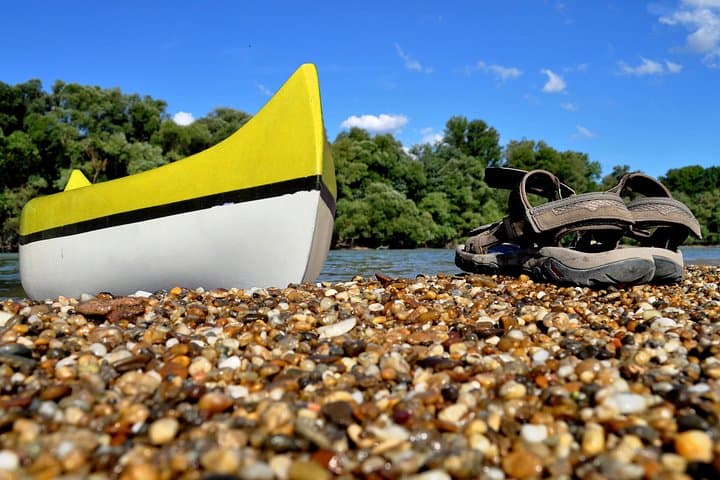


Morning light slices across the Danube; the river meets the city’s edge and then relaxes into slower arms lined with pebbly beaches and willows. You push off with a steersman at the stern, the canoe answering each stroke as the current tests and then carries you — downstream promises an easier return. Riparian forest leans like an audience, and if water levels allow you may land on a quiet island that feels a world away from Budapest’s boulevards.
Morning light slices across the Danube; the river meets the city’s edge and then relaxes into slower arms lined with pebbly beaches and willows. You push off with a steersman at the stern, the canoe answering each stroke as the current tests and then carries you — downstream promises an easier return. Riparian forest leans like an audience, and if water levels allow you may land on a quiet island that feels a world away from Budapest’s boulevards.
This stretch of the Danube is shaped by millennia of sediment and seasonal floods that created branching channels and small islands. Centuries of river trade and floodplain agriculture shaped riverside villages and the baroque churches of nearby Szentendre; today the landscape still shows the imprint of those histories in oxbow scars and floodplain meadows.
Wildlife is a running cast: herons and kingfishers watch for fish, and tracks in the sand hint at elusive otters. Architecture peeks through trees—old ferries, mills and riverside homes that mark human use of the river.
Practical guidance: wear quick-dry clothing and secure footwear; expect 4–5 hours on the water including instruction and rests. Guides provide life jackets and basic paddling coaching, so beginners can join. Water levels change the route—low summers may reveal sandbars and high spring flows shift currents—so timing matters. Bring water, sunscreen, a small drybag for phones, and a willingness to trade city noise for the river’s slower rhythm. Leave the island cleaner than you found it and respect nesting birds; the Danube’s banks are both playground and habitat.