THE ADVENTURE COLLECTIVE® · Independent discovery and booking for outdoor travel

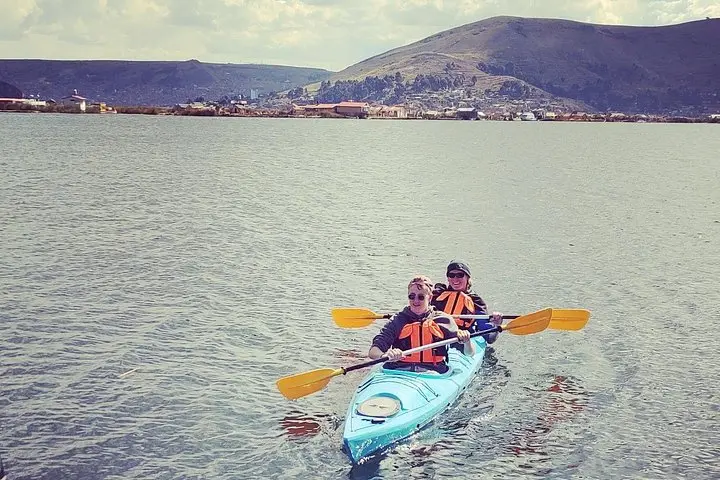
Glide through reed-bordered channels to the handmade Uros islands on a three-hour guided kayak tour from Puno. Expect basic instruction, close birdlife viewing, and a practical introduction to Uru reed craftsmanship.
Glide through reed-bordered channels to the handmade Uros islands on a three-hour guided kayak tour from Puno. Expect basic instruction, close birdlife viewing, and a practical introduction to Uru reed craftsmanship.
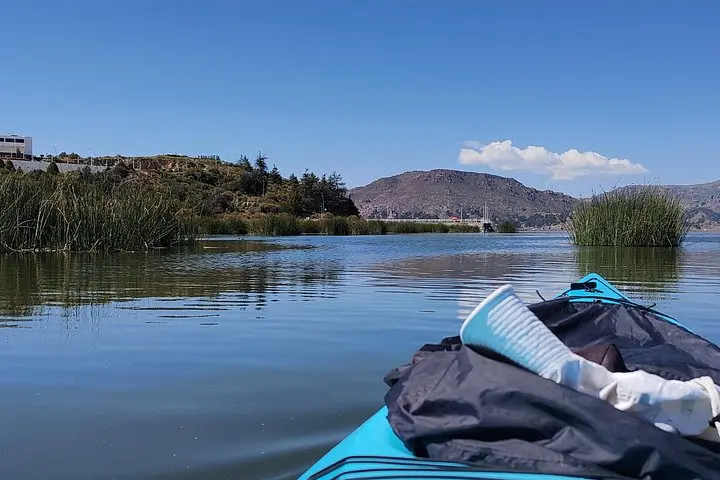
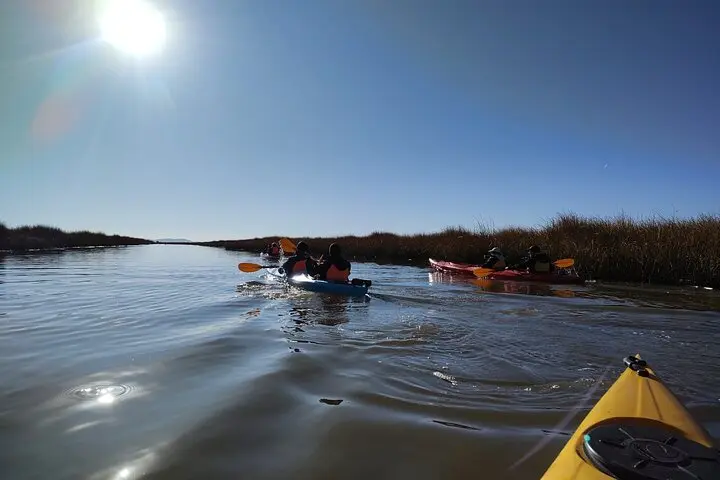
A pale morning lifts off the high-altitude shore of Puno and the lake answers like a slow breath—cold, clear, and wide. You meet your guide at the dock, fit a lifejacket, and push into water that reflects the plateau sky; paddles slice and the reed beds on the horizon seem to shift like living islands.
Verified experiences and guided adventures in the surrounding area.
Operated by Kayak titicaca ways · Puno, Puno
A pale morning lifts off the high-altitude shore of Puno and the lake answers like a slow breath—cold, clear, and wide. You meet your guide at the dock, fit a lifejacket, and push into water that reflects the plateau sky; paddles slice and the reed beds on the horizon seem to shift like living islands.
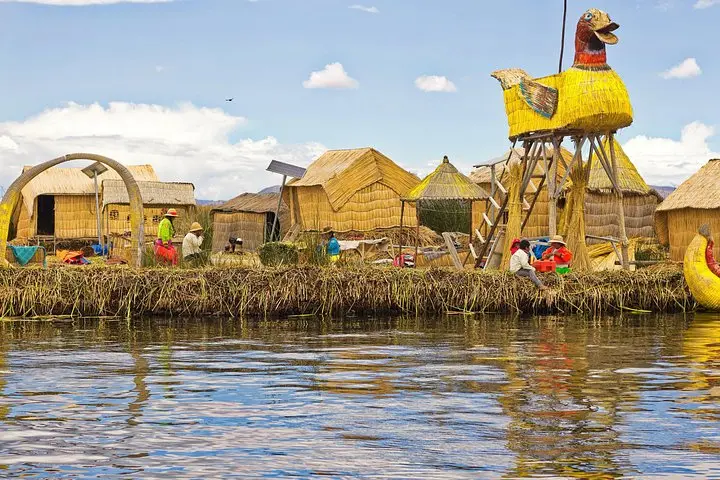
Lake Titicaca is one of the largest high-altitude lakes in the world, carved by tectonic bowls and fed by Andean runoff. The Uros people engineered the floating islands from totora reeds generations ago, crafting habitable platforms that rise and settle with seasonal waterlines. Expect close encounters with reed channels, colonies of waterbirds, and the low, practical architecture of Uru life—bamboo-like homes, handwoven textiles, and a culture shaped by the lake’s rhythms.
This half-day tour runs about three hours and includes hotel pickup, basic paddling instruction, and entrance to Uros islands. It’s a steady, moderate outing: intermittent wind, short paddling legs, and moments to glide into sheltered lagoons. Pack layers for sun and wind, a dry bag for electronics, and extra water—altitude makes exertion feel stronger. Guides handle logistics and share local context, but be prepared for quick weather shifts and simple shore facilities on the islands. Respect reed beds, avoid stepping on fragile structures, and bring small bills for local crafts.
On the water you’re negotiating currents and culture at once; the lake doesn’t push hard, but it will remind you who’s in charge.
No—guides provide basic instruction and keep the route manageable, though some paddling stamina is helpful.
Yes—the tour includes pickup and drop-off from central Puno hotels as stated in the itinerary.
Children can join but operators may have minimum age or weight limits for safety—check at booking and bring any required documentation.
The operator reserves the right to cancel for unsafe conditions; the policy allows refunds if canceled for weather or insufficient travelers.
Kayak titicaca ways operates guided outdoor trips and adventures with an emphasis on safety, stewardship, and memorable experiences.
A pale morning lifts off the high-altitude shore of Puno and the lake answers like a slow breath—cold, clear, and wide. You meet your guide at the dock, fit a lifejacket, and push into water that reflects the plateau sky; paddles slice and the reed beds on the horizon seem to shift like living islands.
A pale morning lifts off the high-altitude shore of Puno and the lake answers like a slow breath—cold, clear, and wide. You meet your guide at the dock, fit a lifejacket, and push into water that reflects the plateau sky; paddles slice and the reed beds on the horizon seem to shift like living islands.
Lake Titicaca is one of the largest high-altitude lakes in the world, carved by tectonic bowls and fed by Andean runoff. The Uros people engineered the floating islands from totora reeds generations ago, crafting habitable platforms that rise and settle with seasonal waterlines. Expect close encounters with reed channels, colonies of waterbirds, and the low, practical architecture of Uru life—bamboo-like homes, handwoven textiles, and a culture shaped by the lake’s rhythms.
This half-day tour runs about three hours and includes hotel pickup, basic paddling instruction, and entrance to Uros islands. It’s a steady, moderate outing: intermittent wind, short paddling legs, and moments to glide into sheltered lagoons. Pack layers for sun and wind, a dry bag for electronics, and extra water—altitude makes exertion feel stronger. Guides handle logistics and share local context, but be prepared for quick weather shifts and simple shore facilities on the islands. Respect reed beds, avoid stepping on fragile structures, and bring small bills for local crafts.
On the water you’re negotiating currents and culture at once; the lake doesn’t push hard, but it will remind you who’s in charge.