THE ADVENTURE COLLECTIVE® · Independent discovery and booking for outdoor travel

Stand‑up paddle across calm Kaneohe Bay to Mokoliʻi (Chinaman’s Hat), then climb a short, rewarding trail for sweeping views of the Koolau Mountains and Kaneohe Sandbar. Small groups, full gear and a local guide make this one‑day ocean‑and‑summit adventure ideal for active travelers.
Stand‑up paddle across calm Kaneohe Bay to Mokoliʻi (Chinaman’s Hat), then climb a short, rewarding trail for sweeping views of the Koolau Mountains and Kaneohe Sandbar. Small groups, full gear and a local guide make this one‑day ocean‑and‑summit adventure ideal for active travelers.
The bay is a slow, breathing thing here—clear water sliding over coral, trade winds running their fingers through the Koolau ridgeline. You push off from Kualoa Regional Beach on a foam stand‑up board and the island known as Mokoliʻi—Chinaman’s Hat—grows from the horizon like a small, dark promise. The paddle across Kaneohe Bay is unhurried: gulls wheel, reef patterns flash beneath the surface and the Koolau Mountains keep a silent watch. On shore the ascent is steep and short, a scrubby trail that rewards breathless effort with a 360° view of the sandbar, the peninsula and the spine of Oʻahu.
Verified experiences and guided adventures in the surrounding area.
Operated by Kaimana Hawaii Tours · Kaneohe, Hawaii
The bay is a slow, breathing thing here—clear water sliding over coral, trade winds running their fingers through the Koolau ridgeline. You push off from Kualoa Regional Beach on a foam stand‑up board and the island known as Mokoliʻi—Chinaman’s Hat—grows from the horizon like a small, dark promise. The paddle across Kaneohe Bay is unhurried: gulls wheel, reef patterns flash beneath the surface and the Koolau Mountains keep a silent watch. On shore the ascent is steep and short, a scrubby trail that rewards breathless effort with a 360° view of the sandbar, the peninsula and the spine of Oʻahu.
Geology here is blunt and readable. Mokoliʻi is the eroded remnant of the Koʻolau volcanic shield—a basalt knob left behind as lava flows and uplift sculpted the coastline. Culturally, the island carries a name and a story: Mokoliʻi—“little lizard” or dragon tail—said in local legend to be the severed tail of a monster defeated by a goddess. That mix of hard rock and oral history makes the place feel layered; the sea and mountain trade stories in equal measure.
This tour is compact and practical: small groups (max four), guides who rig boards, fit life vests and ferry you from shore. Expect roughly 1–2 miles of paddling round‑trip—conditions depending—and a hike to the summit of roughly 0.6 miles round trip with about 200 feet of elevation gain. The whole experience is scheduled for about four hours, long enough to learn a steady paddle stroke, explore tide pools, and take the short scramble up the island.
Safety is straightforward but real: currents and reef demand respect, and guides will set a plan based on wind and swell. The equipment list is simple—boards, paddles, vests, dry bags and water bottles included—so the preparation falls largely on personal comfort and common sense. Wear reef‑safe sunscreen, bring sturdy shoes for the climb, and time your outing for morning or late afternoon when winds ease and light is best for photos.
For planners: the activity is suitable for a broad range of fitness levels but requires basic swimming comfort; it’s a great introduction to open‑water paddling combined with a short coastal hike. Local guides add context—pointing out the sandbar (Ahu o Lono), explaining traditional place names and keeping an eye on weather trends. In short: this is a concise, high‑impact ocean day that folds geology, legend and active travel into a single memorable loop.
Depending on launch point and tide, expect roughly 0.5–1 mile each way; guides set the route to avoid the strongest currents.
The trail is short—about 0.6 miles round‑trip—with roughly 200 feet of gain; it includes some steep, rocky sections requiring sure footing.
Participants should be comfortable in the water; life vests are provided and guides stay close, but basic swimming confidence is required.
Quick‑dry clothing, reef‑safe sunscreen, a hat, sunglasses with a strap and closed‑toe water shoes are recommended.
Age and ability limits vary—check with the operator; small groups and instructor attention make it suitable for older confident children.
Full refund if you cancel at least 24 hours before departure; tours may be canceled in bad weather for safety.
Kaimana Hawaii Tours operates guided outdoor trips and adventures with an emphasis on safety, stewardship, and memorable experiences.
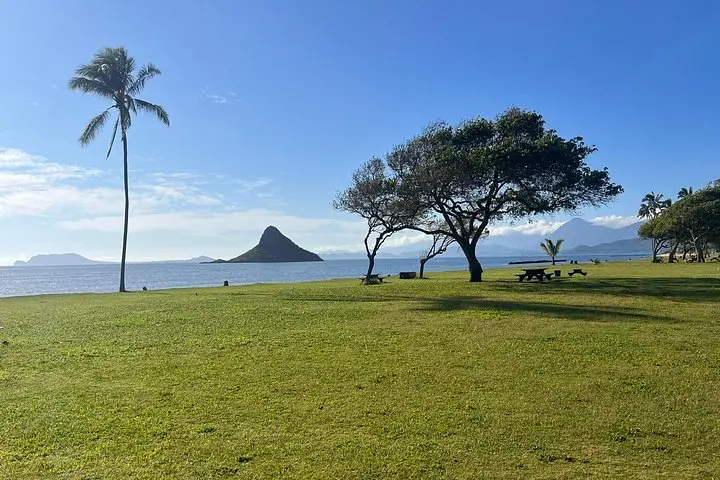
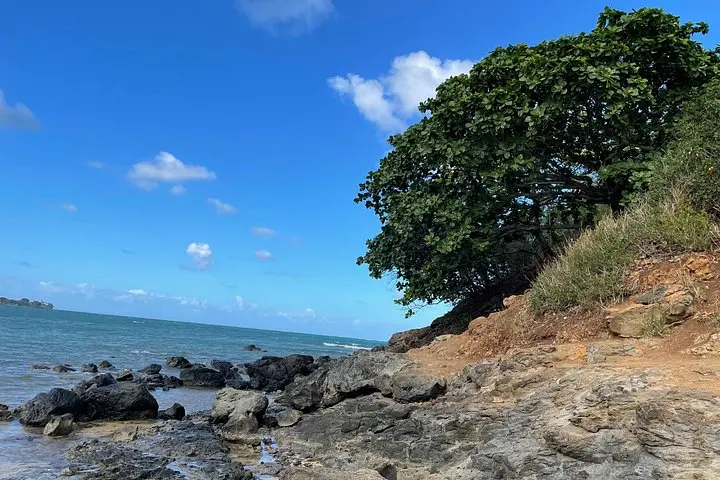
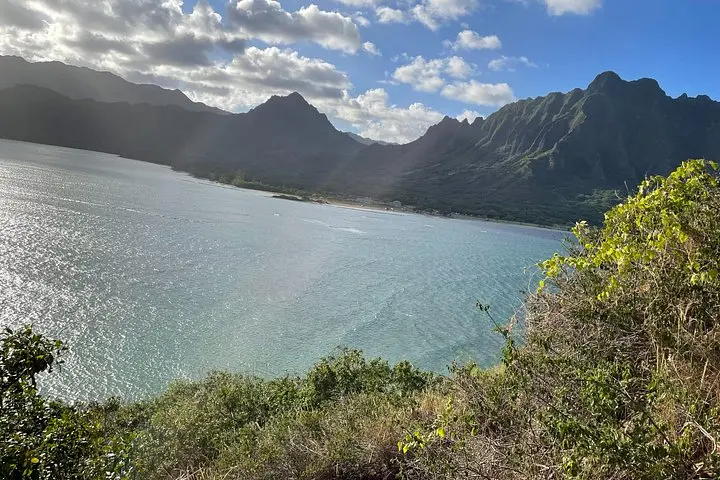
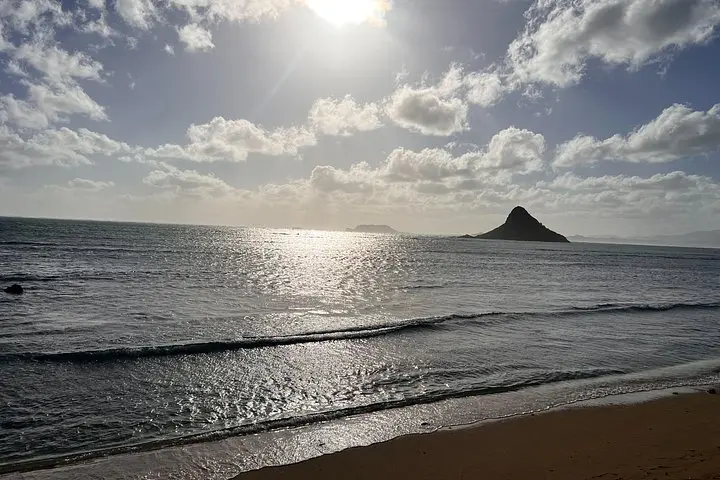
The bay is a slow, breathing thing here—clear water sliding over coral, trade winds running their fingers through the Koolau ridgeline. You push off from Kualoa Regional Beach on a foam stand‑up board and the island known as Mokoliʻi—Chinaman’s Hat—grows from the horizon like a small, dark promise. The paddle across Kaneohe Bay is unhurried: gulls wheel, reef patterns flash beneath the surface and the Koolau Mountains keep a silent watch. On shore the ascent is steep and short, a scrubby trail that rewards breathless effort with a 360° view of the sandbar, the peninsula and the spine of Oʻahu.
The bay is a slow, breathing thing here—clear water sliding over coral, trade winds running their fingers through the Koolau ridgeline. You push off from Kualoa Regional Beach on a foam stand‑up board and the island known as Mokoliʻi—Chinaman’s Hat—grows from the horizon like a small, dark promise. The paddle across Kaneohe Bay is unhurried: gulls wheel, reef patterns flash beneath the surface and the Koolau Mountains keep a silent watch. On shore the ascent is steep and short, a scrubby trail that rewards breathless effort with a 360° view of the sandbar, the peninsula and the spine of Oʻahu.
Geology here is blunt and readable. Mokoliʻi is the eroded remnant of the Koʻolau volcanic shield—a basalt knob left behind as lava flows and uplift sculpted the coastline. Culturally, the island carries a name and a story: Mokoliʻi—“little lizard” or dragon tail—said in local legend to be the severed tail of a monster defeated by a goddess. That mix of hard rock and oral history makes the place feel layered; the sea and mountain trade stories in equal measure.
This tour is compact and practical: small groups (max four), guides who rig boards, fit life vests and ferry you from shore. Expect roughly 1–2 miles of paddling round‑trip—conditions depending—and a hike to the summit of roughly 0.6 miles round trip with about 200 feet of elevation gain. The whole experience is scheduled for about four hours, long enough to learn a steady paddle stroke, explore tide pools, and take the short scramble up the island.
Safety is straightforward but real: currents and reef demand respect, and guides will set a plan based on wind and swell. The equipment list is simple—boards, paddles, vests, dry bags and water bottles included—so the preparation falls largely on personal comfort and common sense. Wear reef‑safe sunscreen, bring sturdy shoes for the climb, and time your outing for morning or late afternoon when winds ease and light is best for photos.
For planners: the activity is suitable for a broad range of fitness levels but requires basic swimming comfort; it’s a great introduction to open‑water paddling combined with a short coastal hike. Local guides add context—pointing out the sandbar (Ahu o Lono), explaining traditional place names and keeping an eye on weather trends. In short: this is a concise, high‑impact ocean day that folds geology, legend and active travel into a single memorable loop.