THE ADVENTURE COLLECTIVE® · Independent discovery and booking for outdoor travel

Paddle from Savaneta across shallow reef channels to Seaglass Island, where mangroves and washed glass tell a coastal story. This guided 2–3 hour kayak tour combines easy paddling with reef exploration and natural-history insight.
Paddle from Savaneta across shallow reef channels to Seaglass Island, where mangroves and washed glass tell a coastal story. This guided 2–3 hour kayak tour combines easy paddling with reef exploration and natural-history insight.
You push off from a low sandy lip on Savaneta’s shore and the ocean accepts you, cool and quietly insistent. The kayak tracks a coastal line of pastel houses and reef-stippled shallows until the mangroves and a scatter of glass-smoothed pebbles announce Seaglass Island—a low reef you can step ashore and comb for sea-polished glass.
Verified experiences and guided adventures in the surrounding area.
Operated by Philip Tromp · Savaneta, Aruba
You push off from a low sandy lip on Savaneta’s shore and the ocean accepts you, cool and quietly insistent. The kayak tracks a coastal line of pastel houses and reef-stippled shallows until the mangroves and a scatter of glass-smoothed pebbles announce Seaglass Island—a low reef you can step ashore and comb for sea-polished glass.
This stretch of Aruba wears its history on the water: shallow reefs that built the island’s fishing economy, mangrove stands that stabilized the coast, and scattered colonial-era settlements visible from the kayak. Geologically the island is a coral-reef formation sitting on limestone bedrock; currents and wave action over decades have rounded shards into the seaglass collectors prize. The local culture values conservation—guides point out protected patches of reef and explain traditional uses of these shoreline plants.
Expect about 2–3 hours total: roughly 45–60 minutes of paddling each way with an hour to explore the reef and mangroves. Terrain is flat water, shallow channels, and walkable reef sand; no elevation gain. Water and lifevest are included, but bring reef-friendly sunscreen, a dry bag, and water shoes for scrambling on coral and shell.
Timing matters—early morning calms the wind and concentrates wildlife, late afternoon brings golden light and stronger trade winds. Guides provide instruction, route selection, and natural-history commentary, making this a balanced outing for paddlers with basic skills and a willingness to get a little wet while learning about Aruba’s coastal ecology.
Total paddling is typically 30–60 minutes each way depending on wind and group pace, with about an hour spent exploring the reef.
No advanced skills required—guides provide instruction; however, participants should be comfortable paddling and able to enter and exit kayaks from shallow water.
The tour focuses on paddling and walking the island; swimming or snorkeling may be possible depending on conditions—check with the guide if you want to bring a mask and snorkel.
Children who can paddle or sit safely with an experienced adult are usually welcome; check age restrictions and safety policies when booking.
Philip Tromp operates guided outdoor trips and adventures with an emphasis on safety, stewardship, and memorable experiences.
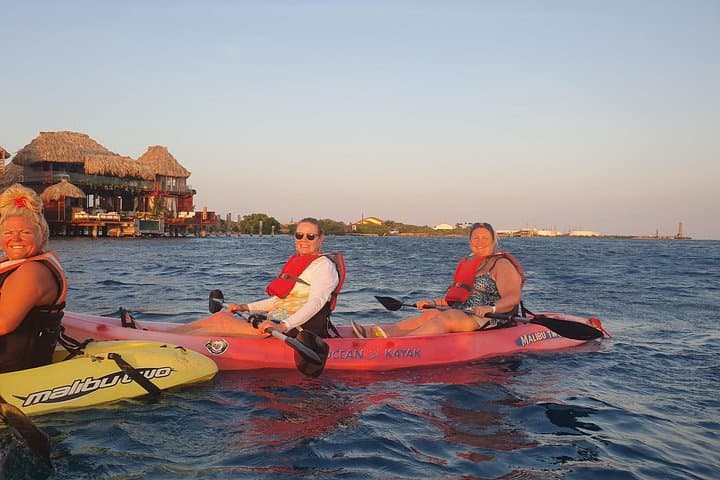
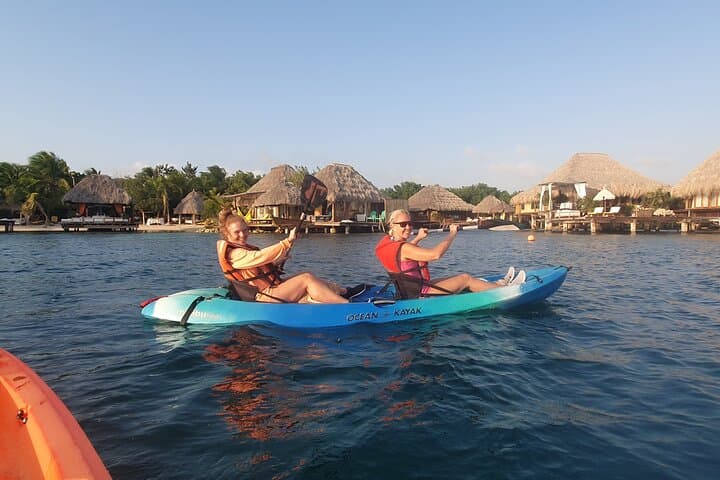


You push off from a low sandy lip on Savaneta’s shore and the ocean accepts you, cool and quietly insistent. The kayak tracks a coastal line of pastel houses and reef-stippled shallows until the mangroves and a scatter of glass-smoothed pebbles announce Seaglass Island—a low reef you can step ashore and comb for sea-polished glass.
You push off from a low sandy lip on Savaneta’s shore and the ocean accepts you, cool and quietly insistent. The kayak tracks a coastal line of pastel houses and reef-stippled shallows until the mangroves and a scatter of glass-smoothed pebbles announce Seaglass Island—a low reef you can step ashore and comb for sea-polished glass.
This stretch of Aruba wears its history on the water: shallow reefs that built the island’s fishing economy, mangrove stands that stabilized the coast, and scattered colonial-era settlements visible from the kayak. Geologically the island is a coral-reef formation sitting on limestone bedrock; currents and wave action over decades have rounded shards into the seaglass collectors prize. The local culture values conservation—guides point out protected patches of reef and explain traditional uses of these shoreline plants.
Expect about 2–3 hours total: roughly 45–60 minutes of paddling each way with an hour to explore the reef and mangroves. Terrain is flat water, shallow channels, and walkable reef sand; no elevation gain. Water and lifevest are included, but bring reef-friendly sunscreen, a dry bag, and water shoes for scrambling on coral and shell.
Timing matters—early morning calms the wind and concentrates wildlife, late afternoon brings golden light and stronger trade winds. Guides provide instruction, route selection, and natural-history commentary, making this a balanced outing for paddlers with basic skills and a willingness to get a little wet while learning about Aruba’s coastal ecology.