THE ADVENTURE COLLECTIVE® · Independent discovery and booking for outdoor travel

Paddle directly to the iconic Great Torii of Itsukushima and view the UNESCO-listed shrine from the water. This guided two-hour sea kayak tour balances hands-on instruction with timed visits ashore, dictated by tides and weather.
Paddle directly to the iconic Great Torii of Itsukushima and view the UNESCO-listed shrine from the water. This guided two-hour sea kayak tour balances hands-on instruction with timed visits ashore, dictated by tides and weather.
You push off from the ferry pier as the island unfolds—the red Torii rising like a gate between sea and sky, gulls cutting circles above, the water nudging your hull. The guides give a calm, clear briefing; the tide is the day's engine, deciding whether the torii stands surrounded by water or rooted on exposed sand. Paddling here feels deliberate: each stroke moves you through a shifting shoreline that has shaped local ritual and transport for centuries.
Verified experiences and guided adventures in the surrounding area.
Operated by Miyajima Kayak Tour · Hatsukaichi, Hiroshima Prefecture
You push off from the ferry pier as the island unfolds—the red Torii rising like a gate between sea and sky, gulls cutting circles above, the water nudging your hull. The guides give a calm, clear briefing; the tide is the day's engine, deciding whether the torii stands surrounded by water or rooted on exposed sand. Paddling here feels deliberate: each stroke moves you through a shifting shoreline that has shaped local ritual and transport for centuries.
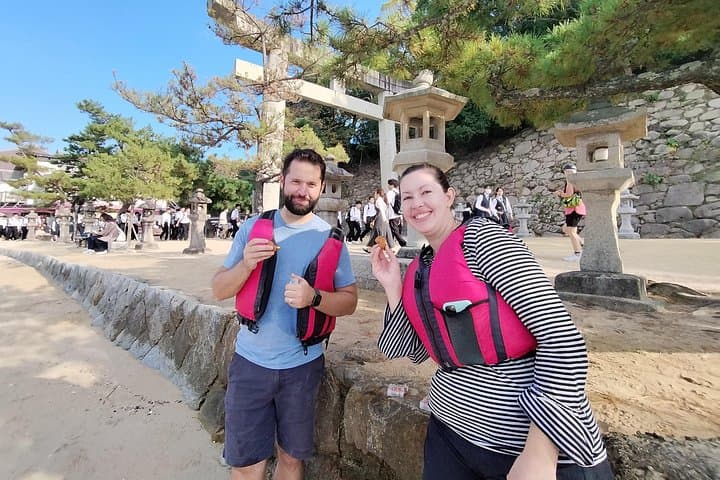
Itsukushima Shrine and its Great Torii are UNESCO-listed, with a history threaded through Shinto ceremony and maritime culture. The island’s geology—coastal mudflats and volcanic rock—creates tidal flats that reveal and conceal the shrine with dramatic regularity. Culture is visible in small things: shop fronts selling momiji manju (maple-leaf cakes), temple bells heard up the hill, and deer that roam without fear.
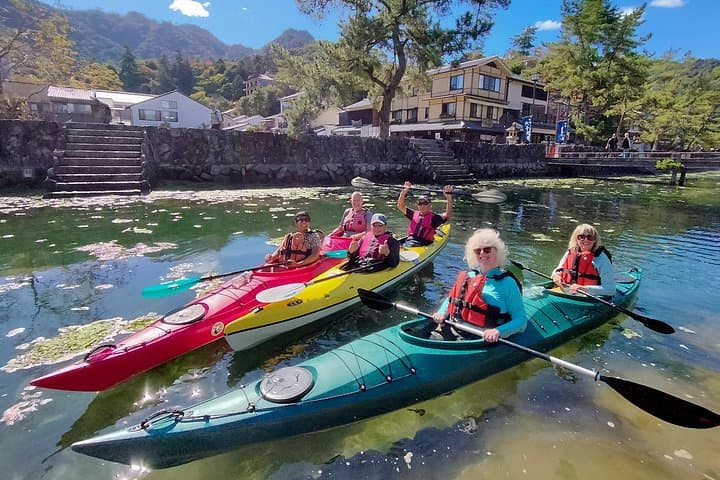
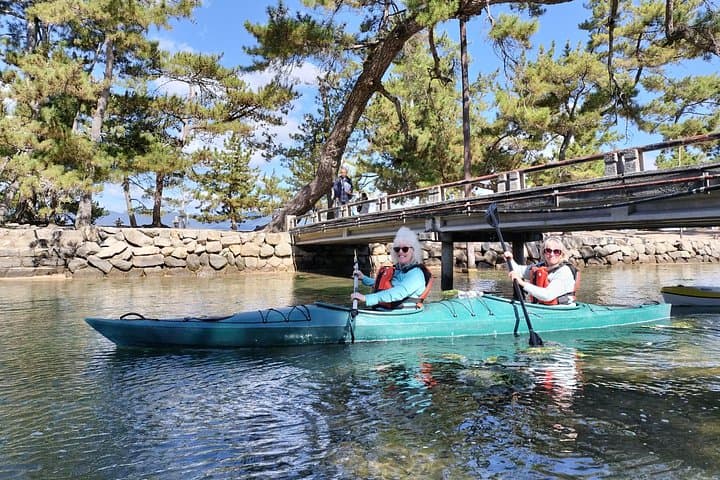
Practically, expect two hours total: quick landings for photos when tides allow, guided paddling instruction, and optional short ashore visits subject to tide and weather. The water is generally calm in the sheltered bay, but wind and currents can change; guides position kayaks for the best angles and safe passage around the Torii.
Bring layered clothing, sun protection, and a dry bag for essentials. Time your trip for lower crowds—early morning or late afternoon—and listen to your guide about stepping ashore: parts of the site are protected. The experience is both photographic and quiet, letting the island’s ritual architecture and the sea’s moods share the spotlight.
No—this tour includes instruction and is rated easy; guides lead the group and assist with technique and safety.
Yes, but shore visits are subject to tide and weather; some landings may be limited to protect cultural sites.
Yes; photography from kayaks is a highlight. Guides often take complimentary digital photos as well.
Tours may be canceled for safety when conditions are unsafe; operators typically offer refunds or rescheduling per their policy.
Miyajima Kayak Tour operates guided outdoor trips and adventures with an emphasis on safety, stewardship, and memorable experiences.
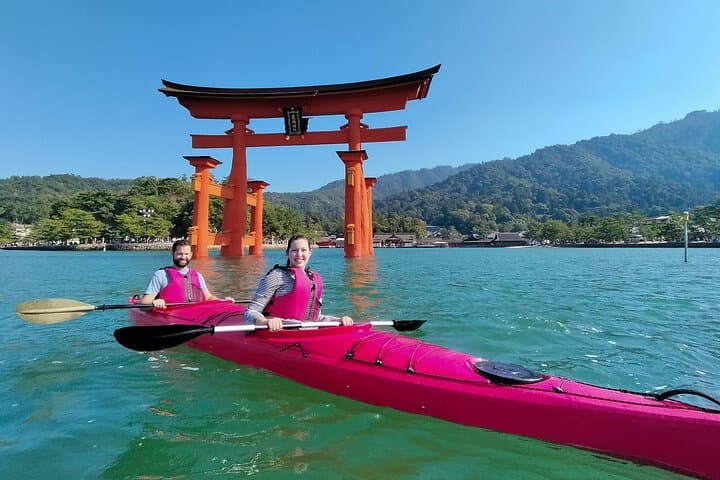
You push off from the ferry pier as the island unfolds—the red Torii rising like a gate between sea and sky, gulls cutting circles above, the water nudging your hull. The guides give a calm, clear briefing; the tide is the day's engine, deciding whether the torii stands surrounded by water or rooted on exposed sand. Paddling here feels deliberate: each stroke moves you through a shifting shoreline that has shaped local ritual and transport for centuries.
You push off from the ferry pier as the island unfolds—the red Torii rising like a gate between sea and sky, gulls cutting circles above, the water nudging your hull. The guides give a calm, clear briefing; the tide is the day's engine, deciding whether the torii stands surrounded by water or rooted on exposed sand. Paddling here feels deliberate: each stroke moves you through a shifting shoreline that has shaped local ritual and transport for centuries.
Itsukushima Shrine and its Great Torii are UNESCO-listed, with a history threaded through Shinto ceremony and maritime culture. The island’s geology—coastal mudflats and volcanic rock—creates tidal flats that reveal and conceal the shrine with dramatic regularity. Culture is visible in small things: shop fronts selling momiji manju (maple-leaf cakes), temple bells heard up the hill, and deer that roam without fear.
Practically, expect two hours total: quick landings for photos when tides allow, guided paddling instruction, and optional short ashore visits subject to tide and weather. The water is generally calm in the sheltered bay, but wind and currents can change; guides position kayaks for the best angles and safe passage around the Torii.
Bring layered clothing, sun protection, and a dry bag for essentials. Time your trip for lower crowds—early morning or late afternoon—and listen to your guide about stepping ashore: parts of the site are protected. The experience is both photographic and quiet, letting the island’s ritual architecture and the sea’s moods share the spotlight.