THE ADVENTURE COLLECTIVE® · Independent discovery and booking for outdoor travel

Paddle a calm arm of the Nerul—Spike’s River—through mangroves and shoreline temples on a 2–3 hour guided kayak trip. Expect close birdlife, possible river otters, and an easy, tide-influenced route suited to moderately fit beginners.
Paddle a calm arm of the Nerul—Spike’s River—through mangroves and shoreline temples on a 2–3 hour guided kayak trip. Expect close birdlife, possible river otters, and an easy, tide-influenced route suited to moderately fit beginners.
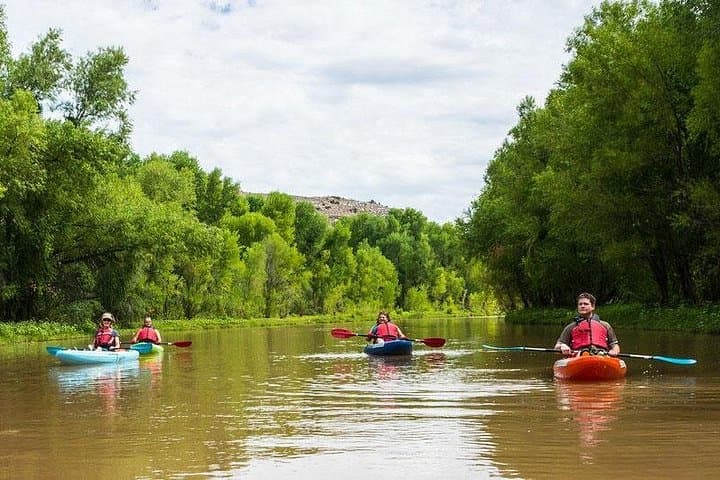
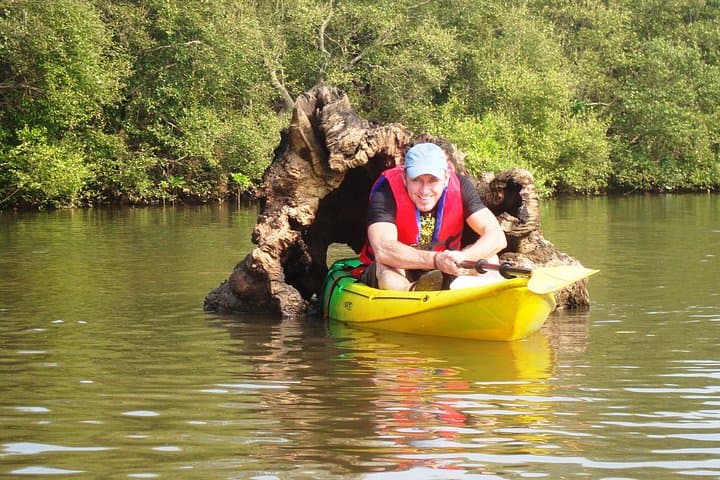
A soft, humid sunrise lifts off the mangrove canopy as the first paddles kiss Spike’s River. The Nerul’s water runs slow and dark here, pushing you downstream past tangled roots and low-slung branches that dare you to look closer. Shamrock-green kingfishers flit, and the occasional river otter slices the current with casual confidence.
Verified experiences and guided adventures in the surrounding area.
Operated by SITA World Tours · Nerul, Goa
A soft, humid sunrise lifts off the mangrove canopy as the first paddles kiss Spike’s River. The Nerul’s water runs slow and dark here, pushing you downstream past tangled roots and low-slung branches that dare you to look closer. Shamrock-green kingfishers flit, and the occasional river otter slices the current with casual confidence.
This stretch of the Nerul has long been a working edge between Goa’s coastal villages and the Arabian Sea — a landscape shaped by tidal flow, silt deposition and centuries of small-scale fishing. Portuguese-era churches and compact Konkani temples punctuate the riverbank; the waterway remained a local artery long before tourism arrived.
Geologically the channel is an estuarine arm carved by monsoon-fed runoff and tidal exchange, the banks held together by mangrove roots that filter sediment and shelter juvenile fish. The culture here is quietly maritime: fishermen mend nets on stilts, and morning prayers drift from village shrines.
Practically, expect a guided 2–3 hour excursion across calm, flat water with minimal elevation change and a paddling distance roughly 4–6 km depending on tides. Guides provide life vests, paddles, water and snacks; hotel pick-up and drop-off are common. The trip is not offered during the monsoon (May–Sep). Bring sun protection, drink plenty of water, and be ready for close wildlife encounters — keep noise low and cameras ready.
This is a measured, accessible river paddle: inspiring but pragmatic, with the kind of quiet rewards that come from moving slowly through a living shoreline.
Yes — guides provide basic paddling instruction and life vests; participants should be comfortable with light physical activity and following safety briefings.
Tours are not offered during the monsoon season (roughly May–September) due to strong tides and heavy rain.
Minimum age is typically 10 years; children must be accompanied by an adult and all weights/heights should be disclosed when booking.
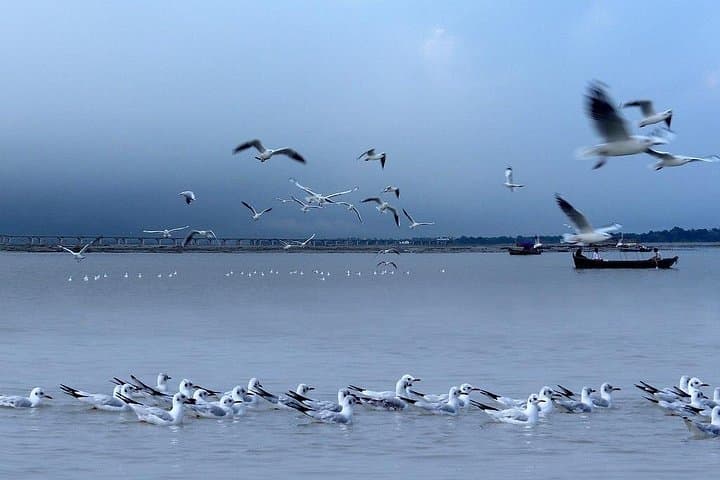
Common sightings include cormorants, egrets, ospreys, and occasionally river otters and mud crabs—wildlife sightings depend on time of day and tide.
SITA World Tours operates guided outdoor trips and adventures with an emphasis on safety, stewardship, and memorable experiences.
A soft, humid sunrise lifts off the mangrove canopy as the first paddles kiss Spike’s River. The Nerul’s water runs slow and dark here, pushing you downstream past tangled roots and low-slung branches that dare you to look closer. Shamrock-green kingfishers flit, and the occasional river otter slices the current with casual confidence.
A soft, humid sunrise lifts off the mangrove canopy as the first paddles kiss Spike’s River. The Nerul’s water runs slow and dark here, pushing you downstream past tangled roots and low-slung branches that dare you to look closer. Shamrock-green kingfishers flit, and the occasional river otter slices the current with casual confidence.
This stretch of the Nerul has long been a working edge between Goa’s coastal villages and the Arabian Sea — a landscape shaped by tidal flow, silt deposition and centuries of small-scale fishing. Portuguese-era churches and compact Konkani temples punctuate the riverbank; the waterway remained a local artery long before tourism arrived.
Geologically the channel is an estuarine arm carved by monsoon-fed runoff and tidal exchange, the banks held together by mangrove roots that filter sediment and shelter juvenile fish. The culture here is quietly maritime: fishermen mend nets on stilts, and morning prayers drift from village shrines.
Practically, expect a guided 2–3 hour excursion across calm, flat water with minimal elevation change and a paddling distance roughly 4–6 km depending on tides. Guides provide life vests, paddles, water and snacks; hotel pick-up and drop-off are common. The trip is not offered during the monsoon (May–Sep). Bring sun protection, drink plenty of water, and be ready for close wildlife encounters — keep noise low and cameras ready.
This is a measured, accessible river paddle: inspiring but pragmatic, with the kind of quiet rewards that come from moving slowly through a living shoreline.