THE ADVENTURE COLLECTIVE® · Independent discovery and booking for outdoor travel

Spend a hands-on day at MARDI Agro Technology Tanjong Karang learning rice science and planting techniques. This five-hour program mixes gallery demos, tractor field visits, simple fishing and cycling around paddy berms.
Spend a hands-on day at MARDI Agro Technology Tanjong Karang learning rice science and planting techniques. This five-hour program mixes gallery demos, tractor field visits, simple fishing and cycling around paddy berms.
You step from an air-conditioned van into a wide, green plain where the paddy rows seem to count out time in neat, watery lines. The sun presses warm; a low river shuffles sediment toward the coast and the fields hum with insects and distant tractors. A tractor ride across saturated mud gives the first, honest view: rice here is both machine-led and hand-tended.
Verified experiences and guided adventures in the surrounding area.
Operated by Asni Tours & Travel (M) Sdn Bhd · Tanjong Karang, Selangor
You step from an air-conditioned van into a wide, green plain where the paddy rows seem to count out time in neat, watery lines. The sun presses warm; a low river shuffles sediment toward the coast and the fields hum with insects and distant tractors. A tractor ride across saturated mud gives the first, honest view: rice here is both machine-led and hand-tended.
The site at MARDI Agro Technology Tanjong Karang sits on coastal alluvial plains shaped by the Sungai Tengi. MARDI’s displays explain decades of Malaysian rice-breeding, mechanization and hull-to-grain processing—useful context for why varieties and timing change across the peninsula. Locals still follow seasonal planting cycles and community rhythms: planting, standing water, then the sharp smell of harvest.
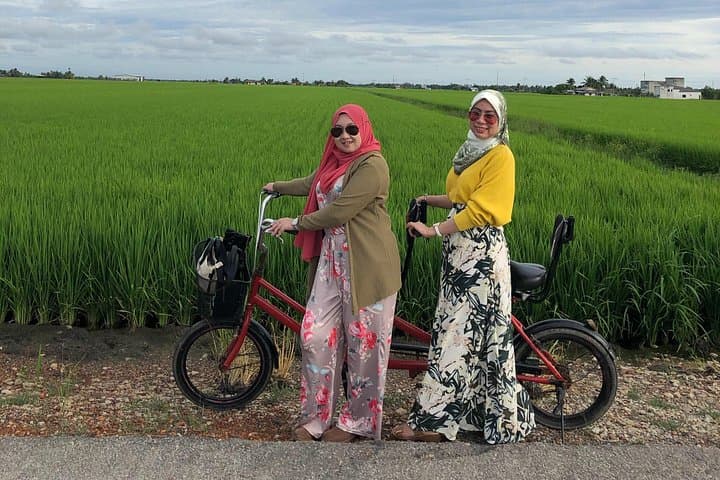
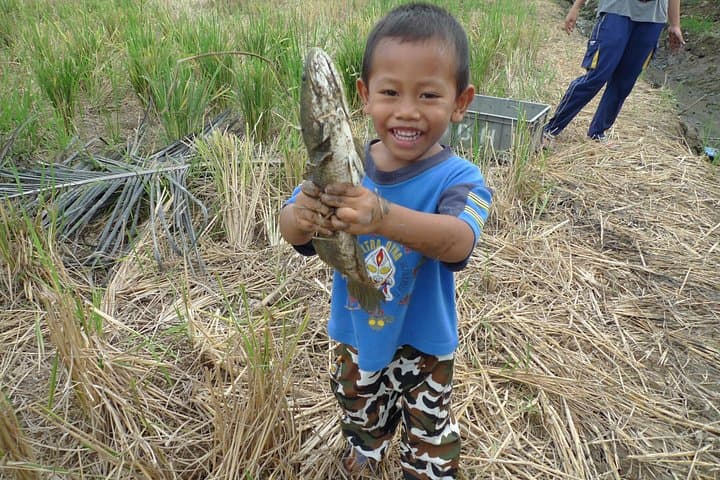
In practice, the day is a sequence of stations: Rice Innovation Gallery, a milling demo, hands-on planting, a tractor loop through paddies, and light activities—cycling along field berms and simple fishing at irrigation ponds. Expect tactile learning: mud under your nails, cool young coconut water, and chances to try traditional tools.
Plan for sun, mud and insects. Wear shoes that tolerate wet soil, bring spare clothes and a waterproof pouch for cameras. Morning starts are cooler and best for planting and cycling; afternoons grow humid and insect-prone.
This is an accessible, educational agricultural outing that connects urban visitors with the rhythms of rice production—practical, sensory and distinctly local.
The program runs about 5 hours, typically including hotel pickup and return to Kuala Lumpur when arranged.
Yes—it's family-friendly. Infants can ride in strollers and children will enjoy planting and simple fishing, though expect mud and supervision is advised.
A local lunch and fresh coconut shake stop are included, plus water is recommended to bring; inform the operator of dietary needs when booking.
Yes—hands-on planting is part of the itinerary and is guided by staff; wear clothes you don’t mind getting muddy.
Asni Tours & Travel (M) Sdn Bhd operates guided outdoor trips and adventures with an emphasis on safety, stewardship, and memorable experiences.

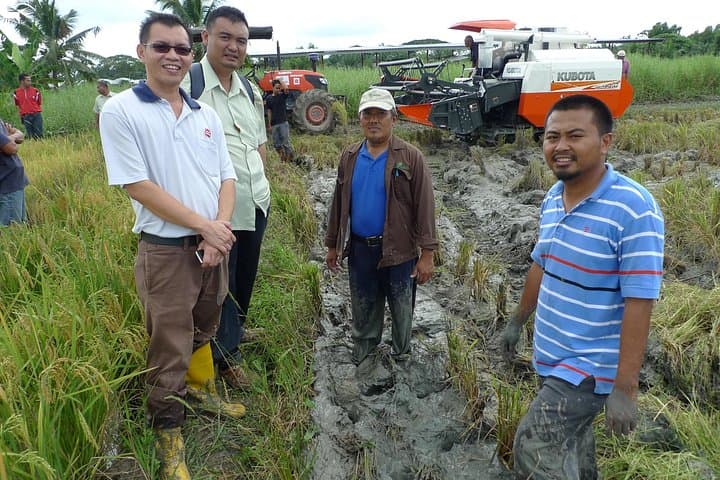
You step from an air-conditioned van into a wide, green plain where the paddy rows seem to count out time in neat, watery lines. The sun presses warm; a low river shuffles sediment toward the coast and the fields hum with insects and distant tractors. A tractor ride across saturated mud gives the first, honest view: rice here is both machine-led and hand-tended.
You step from an air-conditioned van into a wide, green plain where the paddy rows seem to count out time in neat, watery lines. The sun presses warm; a low river shuffles sediment toward the coast and the fields hum with insects and distant tractors. A tractor ride across saturated mud gives the first, honest view: rice here is both machine-led and hand-tended.
The site at MARDI Agro Technology Tanjong Karang sits on coastal alluvial plains shaped by the Sungai Tengi. MARDI’s displays explain decades of Malaysian rice-breeding, mechanization and hull-to-grain processing—useful context for why varieties and timing change across the peninsula. Locals still follow seasonal planting cycles and community rhythms: planting, standing water, then the sharp smell of harvest.
In practice, the day is a sequence of stations: Rice Innovation Gallery, a milling demo, hands-on planting, a tractor loop through paddies, and light activities—cycling along field berms and simple fishing at irrigation ponds. Expect tactile learning: mud under your nails, cool young coconut water, and chances to try traditional tools.
Plan for sun, mud and insects. Wear shoes that tolerate wet soil, bring spare clothes and a waterproof pouch for cameras. Morning starts are cooler and best for planting and cycling; afternoons grow humid and insect-prone.
This is an accessible, educational agricultural outing that connects urban visitors with the rhythms of rice production—practical, sensory and distinctly local.