THE ADVENTURE COLLECTIVE® · Independent discovery and booking for outdoor travel

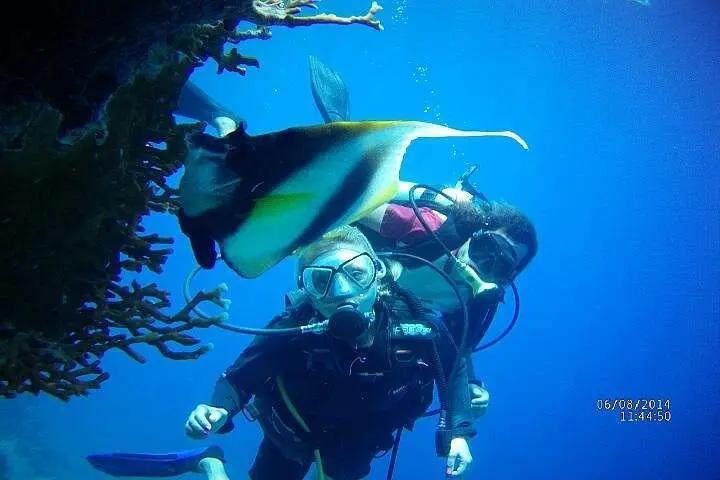
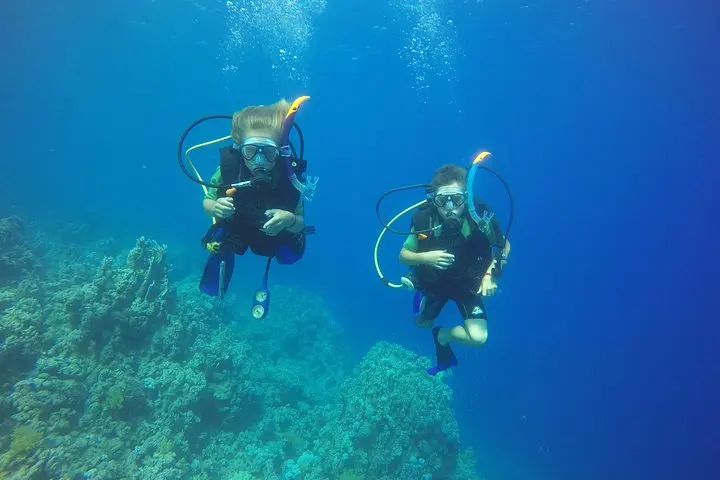
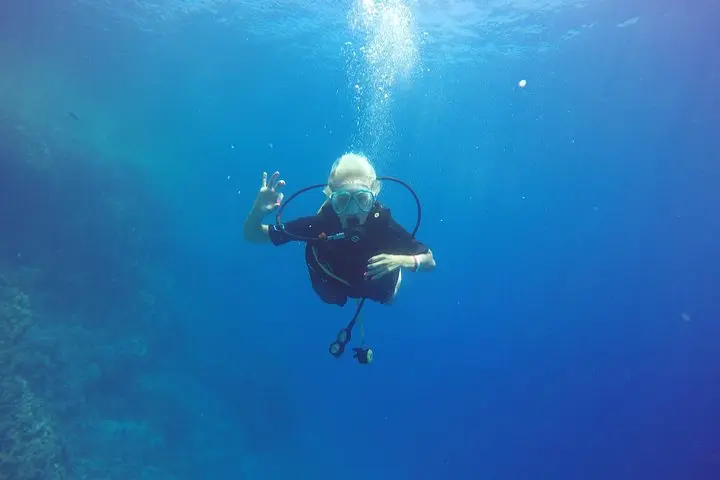
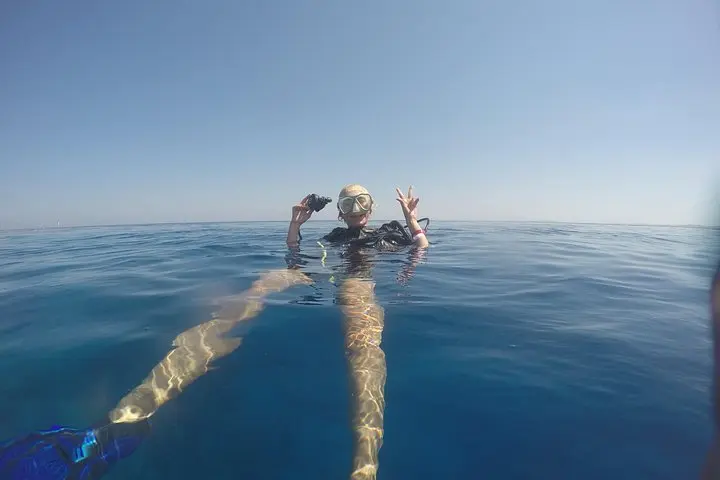
Train with PADI instructors on the Red Sea over three focused days: pool skill sessions followed by eight open-water dives that lead to an Open Water certification valid to 18 meters. Practical, instructor-led training in Sharm El Sheikh makes this an accessible route into global diving.
Train with PADI instructors on the Red Sea over three focused days: pool skill sessions followed by eight open-water dives that lead to an Open Water certification valid to 18 meters. Practical, instructor-led training in Sharm El Sheikh makes this an accessible route into global diving.
The air is already warm before dawn as you step into the dive center in Sharm El Sheikh; the Red Sea lays flat and blue, the boat engine a low hum that promises a different kind of silence below. Salt tangs the wind. On day one you’ll be on the pool deck, learning buoyancy and basic skills until breathing underwater shifts from novelty to habit.
Verified experiences and guided adventures in the surrounding area.
Operated by Pirates Dive Club · Sharm El Sheikh, South Sinai Governorate
The air is already warm before dawn as you step into the dive center in Sharm El Sheikh; the Red Sea lays flat and blue, the boat engine a low hum that promises a different kind of silence below. Salt tangs the wind. On day one you’ll be on the pool deck, learning buoyancy and basic skills until breathing underwater shifts from novelty to habit.
The Sinai coast sits on uplifted limestone and coral platforms formed over millennia, and those structures host the reefs that made the Red Sea famous. Sharm’s dive culture grew in the late 20th century as tourism and international dive training converged here; today local operators pair seasoned PADI instructors with a long-standing reef stewardship ethic.
This course is straightforward: pool sessions to build confidence, then four open-water dives on day two and four more on day three. Successful students earn the PADI Open Water certification—allowing buddy dives to 18 meters worldwide. Expect classroom theory, confined-water skill drills, and repeat sea dives to solidify techniques.
Practicalities matter: a completed medical questionnaire and passport details are required; diving within 48 hours of flying is discouraged. Wear a short wetsuit or rashguard for comfort; bring reef-safe sunscreen, plenty of water, and slip-resistant footwear for boat transfers. If you’re a nervous swimmer, speak up—trainers tailor pacing and repetition.
By the last surface interval you’ll be reading reef maps and managing a controlled ascent. The reward is immediate: the reef’s bright life, quiet and curious, making breathing underwater feel less like survival and more like a new way to travel.
You will earn the PADI Open Water Diver certification, which allows buddy diving to a maximum of 18 meters (60 feet) worldwide.
No prior scuba experience is required, but you should be comfortable in the water and able to swim; instructors tailor sessions for beginners.
Yes — you must complete a medical questionnaire and some conditions may need doctor clearance; pregnant travelers and those with certain cardiac or spinal conditions cannot dive.
Scuba equipment is included, but many students bring a personal mask/snorkel for fit and comfort; check with the operator about bringing a dive computer if you own one.
Pirates Dive Club operates guided outdoor trips and adventures with an emphasis on safety, stewardship, and memorable experiences.
The air is already warm before dawn as you step into the dive center in Sharm El Sheikh; the Red Sea lays flat and blue, the boat engine a low hum that promises a different kind of silence below. Salt tangs the wind. On day one you’ll be on the pool deck, learning buoyancy and basic skills until breathing underwater shifts from novelty to habit.
The air is already warm before dawn as you step into the dive center in Sharm El Sheikh; the Red Sea lays flat and blue, the boat engine a low hum that promises a different kind of silence below. Salt tangs the wind. On day one you’ll be on the pool deck, learning buoyancy and basic skills until breathing underwater shifts from novelty to habit.
The Sinai coast sits on uplifted limestone and coral platforms formed over millennia, and those structures host the reefs that made the Red Sea famous. Sharm’s dive culture grew in the late 20th century as tourism and international dive training converged here; today local operators pair seasoned PADI instructors with a long-standing reef stewardship ethic.
This course is straightforward: pool sessions to build confidence, then four open-water dives on day two and four more on day three. Successful students earn the PADI Open Water certification—allowing buddy dives to 18 meters worldwide. Expect classroom theory, confined-water skill drills, and repeat sea dives to solidify techniques.
Practicalities matter: a completed medical questionnaire and passport details are required; diving within 48 hours of flying is discouraged. Wear a short wetsuit or rashguard for comfort; bring reef-safe sunscreen, plenty of water, and slip-resistant footwear for boat transfers. If you’re a nervous swimmer, speak up—trainers tailor pacing and repetition.
By the last surface interval you’ll be reading reef maps and managing a controlled ascent. The reward is immediate: the reef’s bright life, quiet and curious, making breathing underwater feel less like survival and more like a new way to travel.