THE ADVENTURE COLLECTIVE® · Independent discovery and booking for outdoor travel

A focused, classroom-plus-pool introduction to breathhold diving in Athens. Learn the breathing, relaxation and safety skills that let you explore blue water responsibly.
A focused, classroom-plus-pool introduction to breathhold diving in Athens. Learn the breathing, relaxation and safety skills that let you explore blue water responsibly.
The session begins at the pool edge: clear water, a small circle of instructors, and the measured inhale before the first submersion. In Athens the lesson often happens in a controlled, confined-water site where the Aegean light and nearby coastline are a visual reminder that these breathhold skills translate to open water.
Verified experiences and guided adventures in the surrounding area.
Operated by Seals Diving Center · Athens, Attica
The session begins at the pool edge: clear water, a small circle of instructors, and the measured inhale before the first submersion. In Athens the lesson often happens in a controlled, confined-water site where the Aegean light and nearby coastline are a visual reminder that these breathhold skills translate to open water.
Freediving in the Mediterranean carries an old rhythm — generations of sponge divers and coastal fishers practiced breathhold techniques long before modern certification. The course focuses on fundamentals: proper breathing, relaxation, static apnea and short dynamic swims under supervision. Confined-water training minimizes variables so students learn technique before venturing into currents or deeper blue.
Expect a two-part structure: independent eLearning to cover theory, then a hands-on pool session led by PADI instructors. Objectives are deliberate — aim for static apnea near 90 seconds and controlled dynamic apnea to around 25 meters in a safe environment. Instructors emphasize buddy procedures, equalization, and how to recognize and respond to hypoxic signs.
Practically, arrive hydrated, rested and with basic swim skills. Avoid alcohol and heavy meals before class. The pool setting means fewer waves but still bring a wetsuit if sessions move to cooler water, and plan for morning slots when students are fresher. Medical screening is required for those with heart, respiratory, or spinal issues; minors 12+ can participate with guardians’ consent.
For new freedivers the course is a compact, pragmatic introduction — part safety training, part physiological discipline — that opens access to Mediterranean blue spaces with respect for both personal limits and marine habitats.
You must be at least 12 years old to enroll; minors usually require parental consent and instructor confirmation.
No prior snorkeling or diving experience is required, but you should be a competent swimmer and comfortable in deep water.
Yes — people with heart disease, serious respiratory problems, spinal issues, epilepsy, or those who are pregnant should consult a physician and may need medical clearance.
The PADI Basic Freediver is an introductory subset; completion provides foundational knowledge but full PADI Freediver certification requires additional training and assessments.
Seals Diving Center operates guided outdoor trips and adventures with an emphasis on safety, stewardship, and memorable experiences.
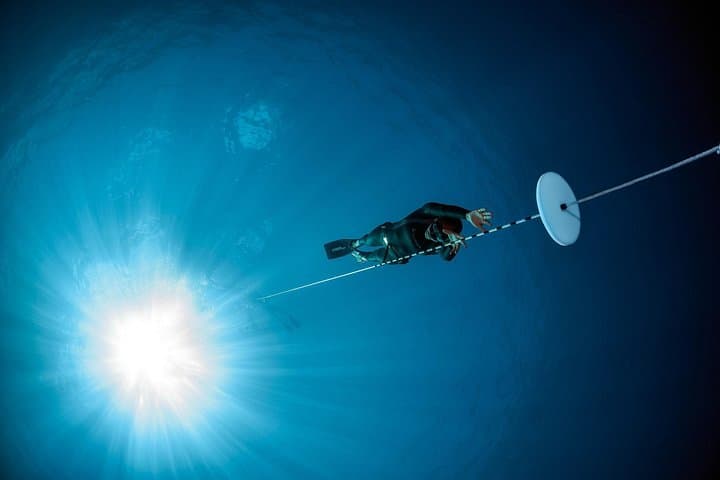
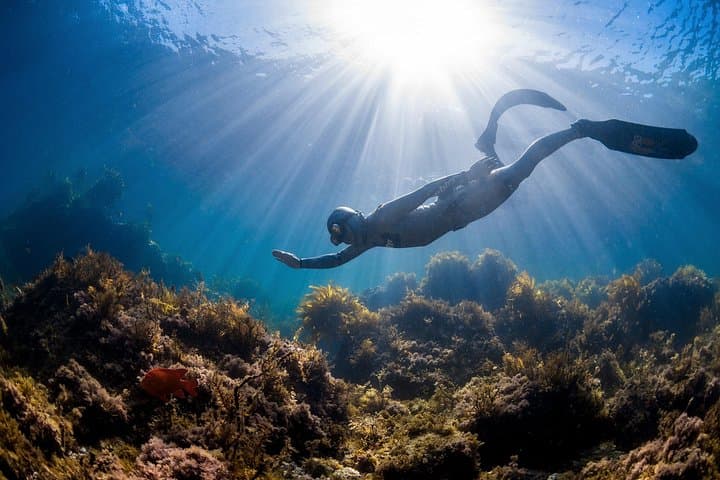

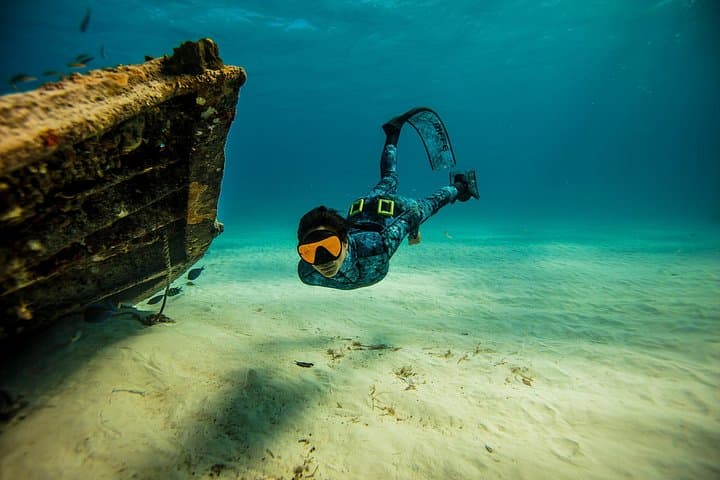
The session begins at the pool edge: clear water, a small circle of instructors, and the measured inhale before the first submersion. In Athens the lesson often happens in a controlled, confined-water site where the Aegean light and nearby coastline are a visual reminder that these breathhold skills translate to open water.
The session begins at the pool edge: clear water, a small circle of instructors, and the measured inhale before the first submersion. In Athens the lesson often happens in a controlled, confined-water site where the Aegean light and nearby coastline are a visual reminder that these breathhold skills translate to open water.
Freediving in the Mediterranean carries an old rhythm — generations of sponge divers and coastal fishers practiced breathhold techniques long before modern certification. The course focuses on fundamentals: proper breathing, relaxation, static apnea and short dynamic swims under supervision. Confined-water training minimizes variables so students learn technique before venturing into currents or deeper blue.
Expect a two-part structure: independent eLearning to cover theory, then a hands-on pool session led by PADI instructors. Objectives are deliberate — aim for static apnea near 90 seconds and controlled dynamic apnea to around 25 meters in a safe environment. Instructors emphasize buddy procedures, equalization, and how to recognize and respond to hypoxic signs.
Practically, arrive hydrated, rested and with basic swim skills. Avoid alcohol and heavy meals before class. The pool setting means fewer waves but still bring a wetsuit if sessions move to cooler water, and plan for morning slots when students are fresher. Medical screening is required for those with heart, respiratory, or spinal issues; minors 12+ can participate with guardians’ consent.
For new freedivers the course is a compact, pragmatic introduction — part safety training, part physiological discipline — that opens access to Mediterranean blue spaces with respect for both personal limits and marine habitats.