THE ADVENTURE COLLECTIVE® · Independent discovery and booking for outdoor travel

Learn coral monitoring and restoration through PADI’s Coral Conservation Diver course. Ideal for certified divers ready to turn recreational dives into meaningful conservation work.
Learn coral monitoring and restoration through PADI’s Coral Conservation Diver course. Ideal for certified divers ready to turn recreational dives into meaningful conservation work.
Book with Scuba Shack Divers
Verified experiences and guided adventures in the surrounding area.
Operated by Scuba Shack Divers · Newington, Connecticut
Coral Reef Conservation in Newington, Connecticut is a PADI specialty course that turns recreational dives into hands-on conservation work. Based out of Newington, this program teaches coral monitoring, restoration techniques, and sustainable diving practices so divers can help protect reef ecosystems globally. The course blends classroom science with in-water skills—perfect for certified divers who want to make their dives matter.
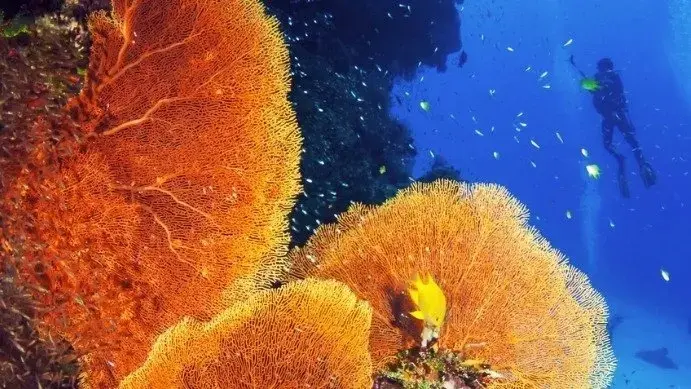
On the reef you'll learn to identify structural features: branching and massive hard corals, table corals, and the rubble fields where new colonies can take hold. Instructors emphasize coral biology—growth forms and disease signs—alongside practical restoration tasks like transplanting fragments, installing reef substrates, and measuring recovery with permanent transects. Survey methods teach you to record species, percent cover, and signs of bleaching or predation; those data inform region-wide conservation projects.
The experience highlights local marine life that depends on healthy reefs: reef fish schools, grazing parrotfish, cleaning shrimp, and the small cryptic creatures that use coral branches for refuge. The course also explains how reef geology—carbonate frameworks built by stony corals—creates the complex topography that supports biodiversity and protects shorelines. For students curious about broader context, instructors reference PADI’s global conservation network and the history of coral research that dates back decades.
This course is special because it pairs immediate, usable skills with long-term stewardship. Instead of a single guided dive, you walk away able to run monitoring transects, assist in restoration projects, and reduce your diving footprint through better buoyancy and gear choices. Small-group instruction, evidence-based methods, and a focus on repeatable data collection make this offering meaningful to citizen scientists and dive pros alike.
Practical notes: the program requires a PADI Open Water Diver certification or equivalent and accepts participants from age 10. Equipment and logistics vary by session—expect classroom time, shallow practice dives, and at least one survey or restoration dive. Because this is conservation work, organizers encourage returning volunteers to help monitor restored plots and track recovery over multiple seasons.
Why choose this course? It turns curiosity into capacity: you leave with knowledge of coral ecology, a suite of hands-on restoration techniques, and the confidence to contribute to reef protection on future trips. For travelers based in Newington or passing through Connecticut, the course is a gateway to joining global reef recovery efforts while learning locally applicable skills.
Sessions are led by experienced conservation divers who combine scientific protocols with clear, hands-on instruction. Expect practical briefings, skill drills in neutral-buoyancy and coral-safe handling, and guided surveys that feed real conservation databases. Many participants report a stronger respect for reef fragility and a clearer sense of how to plan low-impact dives. Completion yields documentation useful for volunteer projects and gives divers a role in protecting underwater habitats.
PADI Open Water Divers or higher can enroll; minimum age is 10 years old.
Format varies by operator—expect a mix of classroom time and several in-water sessions amounting to roughly 4–8 hours of active training.
Yes—PADI issues specialty certification documentation upon completion, useful for future volunteer work and project records.
No advanced certification is required, but comfortable buoyancy control and experience in boat or shore dives is recommended.
Yes—training commonly includes transplanting fragments, installing substrates, and running monitoring transects that contribute to conservation databases.
Bring certification card, logbook, personal dive gear if available, reef-safe sunscreen, towel, and a notebook or slate for data.
Scuba Shack Divers, located in Newington, Connecticut, is a dive center that offers a full range of PADI courses, specialty training, and equipment rental options. The operation provides widely recognized PADI certifications including Open Water Diver, Rescue Diver, Deep Diver, Dry Suit Diver, Underwater Navigator, and specialty offerings such as Wreck Diver and Underwater Naturalist. Scuba Shack Divers also offers a practical Scuba Rental Package (Weekend / 3 days) that includes tanks, wetsuit, regulator, and other essential gear with a pick-up on Friday and return on Tuesday, enabling multi-day local trips without long-term gear commitments. Membership options include joining the PADI Club for access to discounts, events, and community dive opportunities. All programs are presented as structured PADI courses or defined rental products, giving divers clear pathways from fundamentals through advanced and specialty skills. Course descriptions emphasize safety, skill development, and environmental respect, and the rental product outlines a convenient weekend/three-day gear solution. Scuba Shack Divers is listed as a featured business on The Adventure Collective, making course and rental information visible to divers searching for training and equipment near Newington, CT. This overview focuses strictly on the factual courses, specialties, and rental offerings provided by Scuba Shack Divers, helping divers choose the right training and gear options available locally.
Book with Scuba Shack Divers