THE ADVENTURE COLLECTIVE® · Independent discovery and booking for outdoor travel

Learn to fix the little failures that can ruin a dive. This hands-on PADI Equipment Specialist course in Hurghada covers wetsuits, BCDs, regulators and practical maintenance so you spend less time sidelined and more time underwater.
Learn to fix the little failures that can ruin a dive. This hands-on PADI Equipment Specialist course in Hurghada covers wetsuits, BCDs, regulators and practical maintenance so you spend less time sidelined and more time underwater.
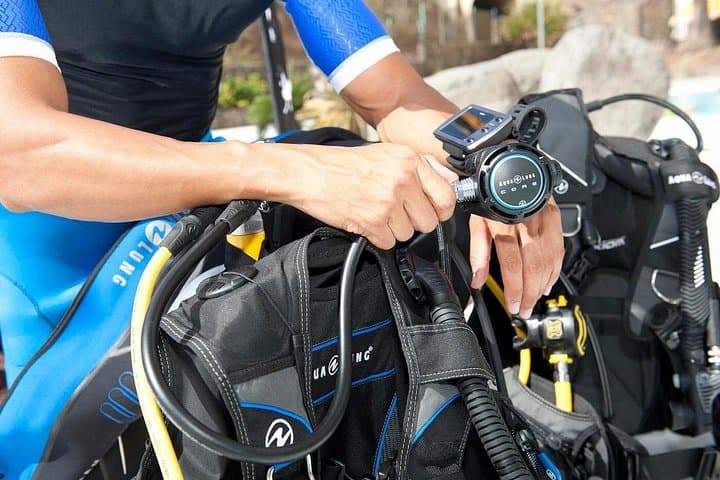
You sit at a workbench a block from the Red Sea, tools laid out, the smell of salt in the air and a classroom window that looks toward coral-studded water. The instructor lifts a regulator and walks you through the first o-ring like a watchmaker showing you a spring: precise, patient, methodical. This is not about theory; it’s about keeping yourself in the water when others would stand on the shore.
Verified experiences and guided adventures in the surrounding area.
Operated by Egypt Divers · Hurghada, Red Sea Governorate
You sit at a workbench a block from the Red Sea, tools laid out, the smell of salt in the air and a classroom window that looks toward coral-studded water. The instructor lifts a regulator and walks you through the first o-ring like a watchmaker showing you a spring: precise, patient, methodical. This is not about theory; it’s about keeping yourself in the water when others would stand on the shore.
Hurghada grew from a fishing village into one of Egypt’s premier dive hubs in the late 20th century, and its dive shops double as practical schools in local reef etiquette. Geologically the Red Sea is a young, rift-created basin — reefs ride shallow shelves and currents can change quickly, which makes reliable gear essential. Culturally, the dive community here values practicality: simple fixes, good packing, and respect for the coral that can be brittle and unforgiving.
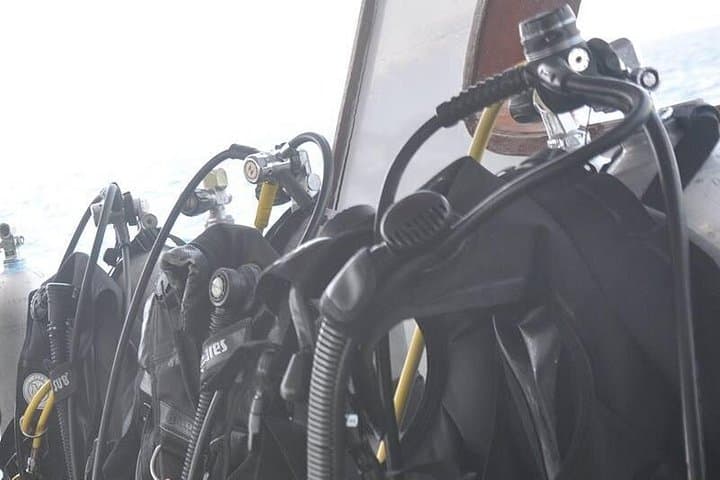
The course teaches routine maintenance and small repairs for wetsuits and drysuits, BCDs, regulators, cylinders and weight systems, computers and accessories. Expect hands-on bench work, demonstrations, and storage best-practices so your kit survives sun and salt. You’ll practice replacing O-rings, repairing fin straps, patching neoprene tears, and troubleshooting common regulator faults.
Practical guidance: bring your own equipment if possible, take detailed notes, and allot a full day for instruction and practice. Stay hydrated, use reef-safe sunscreen, and plan transportation — many operators offer pickup within Hurghada, Sahl Hasheesh and Makadi. By day’s end you’ll leave with the confidence to handle minor failures and the habit of preventive care that keeps you diving more and worrying less.
No scuba certifications are required to learn equipment care, though certified divers will better understand how parts relate to in-water performance.
The course covers basic troubleshooting and minor repairs; full overhauls and high-pressure work should be done by certified technicians with manufacturer training.
Most Hurghada dive centers teach in English; confirm language and instructor credentials when booking.
Instructors typically provide common consumables like O-rings and glue, but bring proprietary parts for practice on your personal gear if possible.
Egypt Divers operates guided outdoor trips and adventures with an emphasis on safety, stewardship, and memorable experiences.
You sit at a workbench a block from the Red Sea, tools laid out, the smell of salt in the air and a classroom window that looks toward coral-studded water. The instructor lifts a regulator and walks you through the first o-ring like a watchmaker showing you a spring: precise, patient, methodical. This is not about theory; it’s about keeping yourself in the water when others would stand on the shore.
You sit at a workbench a block from the Red Sea, tools laid out, the smell of salt in the air and a classroom window that looks toward coral-studded water. The instructor lifts a regulator and walks you through the first o-ring like a watchmaker showing you a spring: precise, patient, methodical. This is not about theory; it’s about keeping yourself in the water when others would stand on the shore.
Hurghada grew from a fishing village into one of Egypt’s premier dive hubs in the late 20th century, and its dive shops double as practical schools in local reef etiquette. Geologically the Red Sea is a young, rift-created basin — reefs ride shallow shelves and currents can change quickly, which makes reliable gear essential. Culturally, the dive community here values practicality: simple fixes, good packing, and respect for the coral that can be brittle and unforgiving.
The course teaches routine maintenance and small repairs for wetsuits and drysuits, BCDs, regulators, cylinders and weight systems, computers and accessories. Expect hands-on bench work, demonstrations, and storage best-practices so your kit survives sun and salt. You’ll practice replacing O-rings, repairing fin straps, patching neoprene tears, and troubleshooting common regulator faults.
Practical guidance: bring your own equipment if possible, take detailed notes, and allot a full day for instruction and practice. Stay hydrated, use reef-safe sunscreen, and plan transportation — many operators offer pickup within Hurghada, Sahl Hasheesh and Makadi. By day’s end you’ll leave with the confidence to handle minor failures and the habit of preventive care that keeps you diving more and worrying less.