THE ADVENTURE COLLECTIVE® · Independent discovery and booking for outdoor travel

Drop beneath Gran Canaria’s night surface to watch the reef wake up. This PADI Night Diver specialty combines three guided night dives with practical skills—light handling, navigation and buoyancy—around Puerto de Mogán’s volcanic formations.
Drop beneath Gran Canaria’s night surface to watch the reef wake up. This PADI Night Diver specialty combines three guided night dives with practical skills—light handling, navigation and buoyancy—around Puerto de Mogán’s volcanic formations.
The boat slips quietly out of Puerto de Mogán as the last shore lamps fade, and the sea takes on a black, reflective skin. Under a narrow beam from your primary torch, the reef becomes a stage: fish skirt the edges, octopus arms ghost across sand, and tiny nudibranchs glow like confetti when the light passes.
Verified experiences and guided adventures in the surrounding area.
Operated by Delphinus Diving School Gran Canaria · Puerto de Mogán, Gran Canaria
The boat slips quietly out of Puerto de Mogán as the last shore lamps fade, and the sea takes on a black, reflective skin. Under a narrow beam from your primary torch, the reef becomes a stage: fish skirt the edges, octopus arms ghost across sand, and tiny nudibranchs glow like confetti when the light passes.
Gran Canaria’s southern coast is volcanic—pockets of lava rock form ledges and caves that change character after dark. Puerto de Mogán itself began as a working fishing port; tonight you follow a long line of local divers who read the reef both day and night. The course emphasizes how nocturnal behavior, light handling and buoyancy interplay around these basalt formations.
Expect three guided night dives, instructor-led skills practice, and shore or boat entries depending on conditions. You’ll rehearse light-to-buddy signals, low-visibility navigation, and controlled entries/exits while learning to trust touch and sound as much as sight. Tides and currents can nudge you; the instructor shows how to use them rather than fight them.
Practical guidance: bring a reliable primary torch and a backup, a snug wetsuit for cool night water, and a charged dive computer. Avoid flying for at least 24 hours after your last dive; disclose medical history on the health form; minimum age is 12 with Open Water certification. Plan for two days, with travel time for pickup and drop-off included. The dark here doesn’t hide danger so much as reframe it—the reef is still the reef, only now it asks you to look closer.
PADI Open Water Divers (including Junior Open Water, age 12+) or higher may enroll; you must be medically fit to dive and complete a health questionnaire.
The course includes three night dives where you practice light handling, navigation, entries/exits and buddy procedures under instructor supervision.
When run by a professional instructor with proper equipment and pre-dive briefings, night diving is safe; strict buoyancy, light redundancy and good buddy discipline are essential.
Avoid diving within 24 hours of flying to and avoid flying for at least 24 hours after your last dive; consult your operator for schedule specifics.
Delphinus Diving School Gran Canaria operates guided outdoor trips and adventures with an emphasis on safety, stewardship, and memorable experiences.

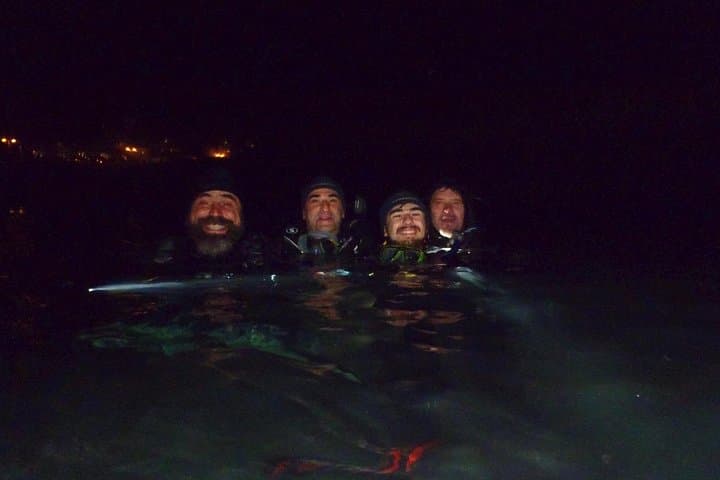

The boat slips quietly out of Puerto de Mogán as the last shore lamps fade, and the sea takes on a black, reflective skin. Under a narrow beam from your primary torch, the reef becomes a stage: fish skirt the edges, octopus arms ghost across sand, and tiny nudibranchs glow like confetti when the light passes.
The boat slips quietly out of Puerto de Mogán as the last shore lamps fade, and the sea takes on a black, reflective skin. Under a narrow beam from your primary torch, the reef becomes a stage: fish skirt the edges, octopus arms ghost across sand, and tiny nudibranchs glow like confetti when the light passes.
Gran Canaria’s southern coast is volcanic—pockets of lava rock form ledges and caves that change character after dark. Puerto de Mogán itself began as a working fishing port; tonight you follow a long line of local divers who read the reef both day and night. The course emphasizes how nocturnal behavior, light handling and buoyancy interplay around these basalt formations.
Expect three guided night dives, instructor-led skills practice, and shore or boat entries depending on conditions. You’ll rehearse light-to-buddy signals, low-visibility navigation, and controlled entries/exits while learning to trust touch and sound as much as sight. Tides and currents can nudge you; the instructor shows how to use them rather than fight them.
Practical guidance: bring a reliable primary torch and a backup, a snug wetsuit for cool night water, and a charged dive computer. Avoid flying for at least 24 hours after your last dive; disclose medical history on the health form; minimum age is 12 with Open Water certification. Plan for two days, with travel time for pickup and drop-off included. The dark here doesn’t hide danger so much as reframe it—the reef is still the reef, only now it asks you to look closer.