THE ADVENTURE COLLECTIVE® · Independent discovery and booking for outdoor travel

Three days of e-learning, confined-water drills, and four open-water dives around Isla Mujeres turn beginners into certified divers. Expect warm Caribbean water, short boat rides to marine-park reefs, and hands-on instruction from PADI instructors.
Three days of e-learning, confined-water drills, and four open-water dives around Isla Mujeres turn beginners into certified divers. Expect warm Caribbean water, short boat rides to marine-park reefs, and hands-on instruction from PADI instructors.
The day begins at the dive center as sunlight fractures across the Caribbean; salt rides the air and the boat promises a short, 20-minute passage to reefs that have been sculpted by current and time. On day one students sit with tablet screens and instructors, moving from online modules into confined-water drills where breaths steady and bubbles become a rhythm. By day two the reef dares them: coral fingers, cleaning stations, and the slow drift of parrotfish glide beneath the surface. Day three tightens skills into confidence during two open-water dives inside the Marine National Park—skills assessed, logbook waiting.
Verified experiences and guided adventures in the surrounding area.
Operated by Aqua Adventures Eco Divers, 5 STAR PADI · Isla Mujeres, Quintana Roo
The day begins at the dive center as sunlight fractures across the Caribbean; salt rides the air and the boat promises a short, 20-minute passage to reefs that have been sculpted by current and time. On day one students sit with tablet screens and instructors, moving from online modules into confined-water drills where breaths steady and bubbles become a rhythm. By day two the reef dares them: coral fingers, cleaning stations, and the slow drift of parrotfish glide beneath the surface. Day three tightens skills into confidence during two open-water dives inside the Marine National Park—skills assessed, logbook waiting.
Isla Mujeres sits on the northern edge of the Mesoamerican Barrier Reef, a young carbonate platform over limestone with coral heads that record a history of sea levels and storms. The island’s fishing and tourism culture blend: local captains know currents and where grouper congregate. Conservation zones protect reef structure and nesting beaches, and the marine park rules shape where novices can safely explore.
Practical guidance: the PADI Open Water here follows three days—e-learning, confined-water practice, and four open-water dives (two boat trips). Expect short boat rides, warm (24–29°C) water, and moderate currents on some sites. Bring a personal mask and reef-safe sunscreen, stay hydrated, and sleep well between days; early starts at 9:00 a.m. are standard. Medical screening excludes pregnancy and serious heart/spinal issues; a basic swimming competency is required. With proper preparation, the course converts cautious surface swimmers into certified divers ready to return to the reef with respect and curiosity.
Four open-water dives (conducted over two boat trips) plus confined-water practice and knowledge development are required for PADI Open Water.
Yes—students should be comfortable swimming and treading water; instructors may assess basic swim skills before confined-water sessions.
Basic scuba equipment (BCD, regulator, tank, weights) is provided; many students bring a personal mask and snorkel for fit and comfort.
Pregnancy, serious heart conditions, and certain spinal injuries typically disqualify candidates; a medical questionnaire and possible physician sign-off are required.
Aqua Adventures Eco Divers, 5 STAR PADI operates guided outdoor trips and adventures with an emphasis on safety, stewardship, and memorable experiences.


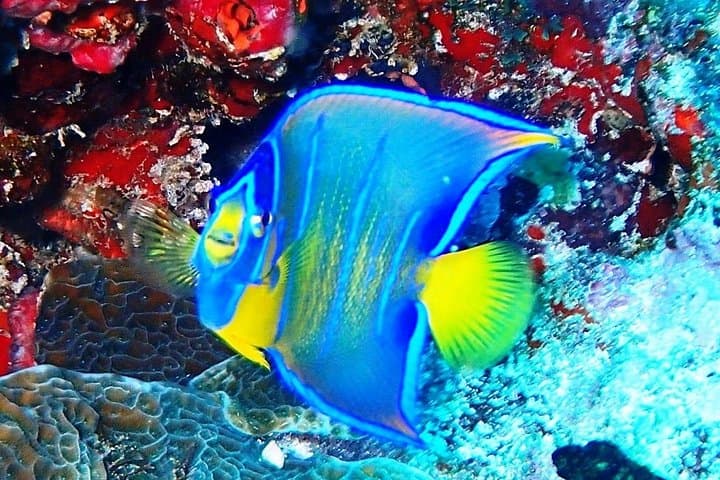
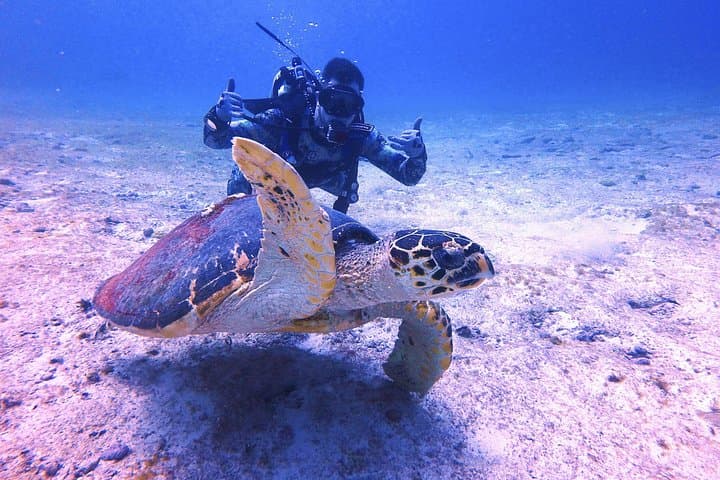
The day begins at the dive center as sunlight fractures across the Caribbean; salt rides the air and the boat promises a short, 20-minute passage to reefs that have been sculpted by current and time. On day one students sit with tablet screens and instructors, moving from online modules into confined-water drills where breaths steady and bubbles become a rhythm. By day two the reef dares them: coral fingers, cleaning stations, and the slow drift of parrotfish glide beneath the surface. Day three tightens skills into confidence during two open-water dives inside the Marine National Park—skills assessed, logbook waiting.
The day begins at the dive center as sunlight fractures across the Caribbean; salt rides the air and the boat promises a short, 20-minute passage to reefs that have been sculpted by current and time. On day one students sit with tablet screens and instructors, moving from online modules into confined-water drills where breaths steady and bubbles become a rhythm. By day two the reef dares them: coral fingers, cleaning stations, and the slow drift of parrotfish glide beneath the surface. Day three tightens skills into confidence during two open-water dives inside the Marine National Park—skills assessed, logbook waiting.
Isla Mujeres sits on the northern edge of the Mesoamerican Barrier Reef, a young carbonate platform over limestone with coral heads that record a history of sea levels and storms. The island’s fishing and tourism culture blend: local captains know currents and where grouper congregate. Conservation zones protect reef structure and nesting beaches, and the marine park rules shape where novices can safely explore.
Practical guidance: the PADI Open Water here follows three days—e-learning, confined-water practice, and four open-water dives (two boat trips). Expect short boat rides, warm (24–29°C) water, and moderate currents on some sites. Bring a personal mask and reef-safe sunscreen, stay hydrated, and sleep well between days; early starts at 9:00 a.m. are standard. Medical screening excludes pregnancy and serious heart/spinal issues; a basic swimming competency is required. With proper preparation, the course converts cautious surface swimmers into certified divers ready to return to the reef with respect and curiosity.