THE ADVENTURE COLLECTIVE® · Independent discovery and booking for outdoor travel

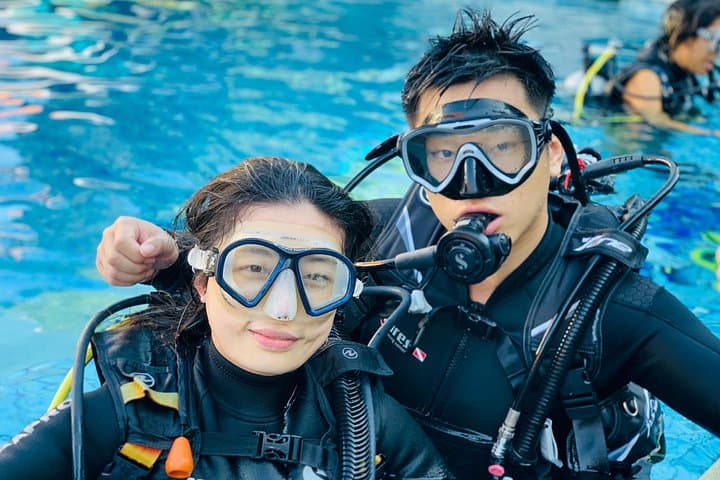
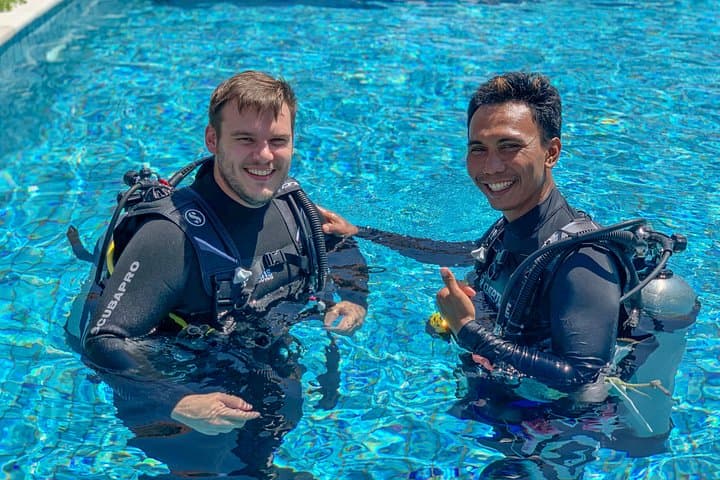
Become a certified Open Water diver over three focused days in Bali, combining pool skills and four open-water dives at Padang Bai and Tulamben. Expect classroom learning, confined-water drills and iconic reef or wreck dives with local guides.
Become a certified Open Water diver over three focused days in Bali, combining pool skills and four open-water dives at Padang Bai and Tulamben. Expect classroom learning, confined-water drills and iconic reef or wreck dives with local guides.
The boat slips away from shore as the first light brushes the volcanic ridges of East Bali; the sea flattens and the reef begins to show color beneath the surface, daring you to go down.
Verified experiences and guided adventures in the surrounding area.
Operated by Neptune Scuba Diving · Tulamben, Bali
The boat slips away from shore as the first light brushes the volcanic ridges of East Bali; the sea flattens and the reef begins to show color beneath the surface, daring you to go down.
This three-day PADI Open Water experience teaches the fundamentals of modern scuba diving: classroom knowledge development, confined-water skills practice, and four open-water dives off Padang Bai and Tulamben. Tulamben’s USAT Liberty wreck — a rusting hulk turned artificial reef after a World War II torpedoing — gives context to the underwater landscape, while Padang Bai’s sheltered bays showcase coral gardens and schooling reef fish.
Geologically, these dive sites sit on slopes of volcanic terrain created by Mount Agung’s long activity; currents and sand plains produce varied visibility and diverse habitats. Culturally, small fishing villages and temple-eyed headlands mark the shoreline — motorbikes, fish markets and the flicker of offerings remind you Bali’s life continues above water.
Practical guidance: expect classroom sessions and pool drills on day one, then two days of open-water dives with a maximum recommended depth of 18 m for new Open Water divers. Bring basic swimwear and a lightweight long-sleeve to protect from sun and reef contact; operators commonly supply tanks, regulators and exposure suits. Complete the medical questionnaire honestly — recent respiratory or circulatory issues can bar participation. Avoid flying for at least 18 hours after your last dive.
Timing matters: go early for calmer seas and better visibility. Hydrate, equalize ears frequently, and listen closely during skill checks; confident buoyancy comes from practice, not haste.
Minimum age is 10 years; younger divers complete the Junior Open Water certification with appropriate supervision.
No prior scuba experience is required, but you should be comfortable swimming and in the water for extended periods.
Avoid flying for at least 18 hours after your last dive to reduce the risk of decompression sickness; follow your instructor’s guidance for extended diving schedules.
Open-water dives are typically conducted at Padang Bai and Tulamben — Padang Bai for sheltered coral sites and Tulamben for the USAT Liberty wreck and nearby reefs.
Neptune Scuba Diving operates guided outdoor trips and adventures with an emphasis on safety, stewardship, and memorable experiences.
The boat slips away from shore as the first light brushes the volcanic ridges of East Bali; the sea flattens and the reef begins to show color beneath the surface, daring you to go down.
The boat slips away from shore as the first light brushes the volcanic ridges of East Bali; the sea flattens and the reef begins to show color beneath the surface, daring you to go down.
This three-day PADI Open Water experience teaches the fundamentals of modern scuba diving: classroom knowledge development, confined-water skills practice, and four open-water dives off Padang Bai and Tulamben. Tulamben’s USAT Liberty wreck — a rusting hulk turned artificial reef after a World War II torpedoing — gives context to the underwater landscape, while Padang Bai’s sheltered bays showcase coral gardens and schooling reef fish.
Geologically, these dive sites sit on slopes of volcanic terrain created by Mount Agung’s long activity; currents and sand plains produce varied visibility and diverse habitats. Culturally, small fishing villages and temple-eyed headlands mark the shoreline — motorbikes, fish markets and the flicker of offerings remind you Bali’s life continues above water.
Practical guidance: expect classroom sessions and pool drills on day one, then two days of open-water dives with a maximum recommended depth of 18 m for new Open Water divers. Bring basic swimwear and a lightweight long-sleeve to protect from sun and reef contact; operators commonly supply tanks, regulators and exposure suits. Complete the medical questionnaire honestly — recent respiratory or circulatory issues can bar participation. Avoid flying for at least 18 hours after your last dive.
Timing matters: go early for calmer seas and better visibility. Hydrate, equalize ears frequently, and listen closely during skill checks; confident buoyancy comes from practice, not haste.