THE ADVENTURE COLLECTIVE® · Independent discovery and booking for outdoor travel

Learn to breathe and move underwater on a four-day PADI Open Water course off Costa Adeje. This practical guide covers what to expect from training, local sea conditions, and how to prepare for your first open-water dives.
Learn to breathe and move underwater on a four-day PADI Open Water course off Costa Adeje. This practical guide covers what to expect from training, local sea conditions, and how to prepare for your first open-water dives.
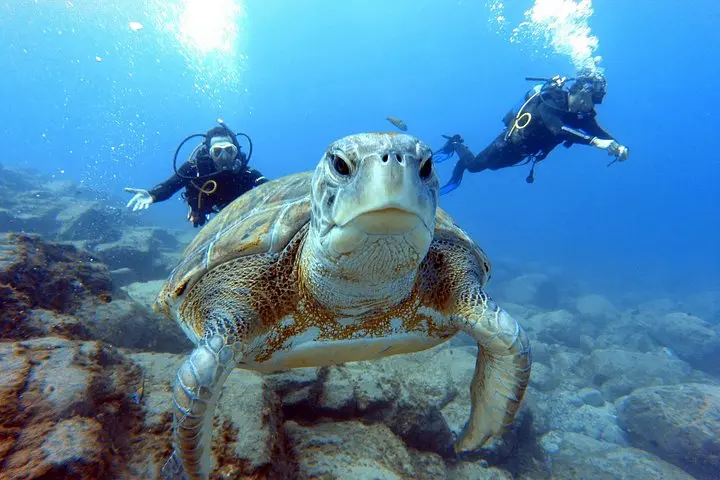
You step off the boat and the Atlantic opens like a cool invitation — blue flats that slide from turquoise into deeper ink. In Costa Adeje the sea feels immediate: wind on your hood, the slap of salt on skin, and a guide running through signals while the island’s volcanic flank broods behind you.
Verified experiences and guided adventures in the surrounding area.
Operated by Travel Sub SLU · Costa Adeje, Santa Cruz de Tenerife
You step off the boat and the Atlantic opens like a cool invitation — blue flats that slide from turquoise into deeper ink. In Costa Adeje the sea feels immediate: wind on your hood, the slap of salt on skin, and a guide running through signals while the island’s volcanic flank broods behind you.
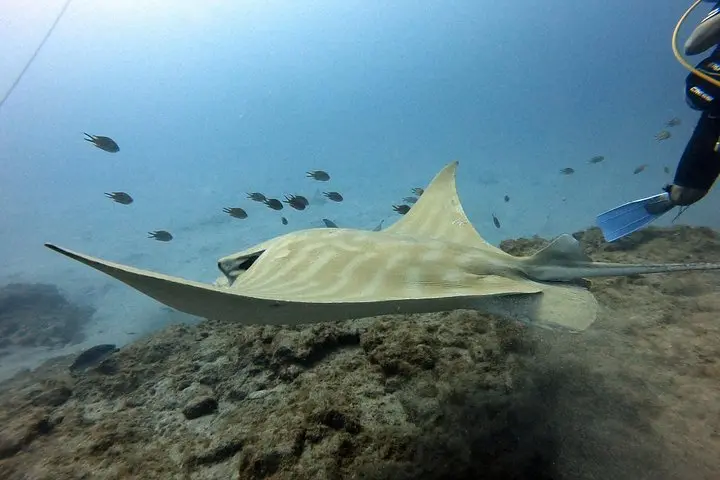
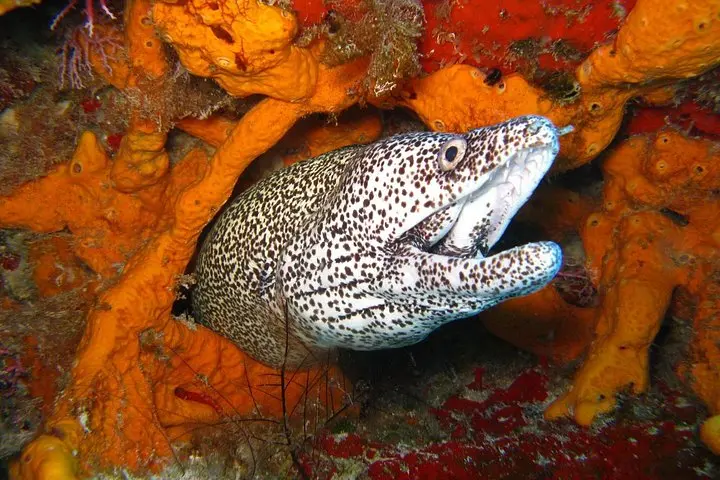
Tenerife’s coastline is born of lava and time; black basalt outcrops frame sandy coves and underwater cliffs where marine life gathers. The island’s marine culture shifted from coastal fishing and historic whaling to recreational diving and protection of fragile reefs, so your first breath under the surface is in waters shaped by geology and recent conservation efforts.
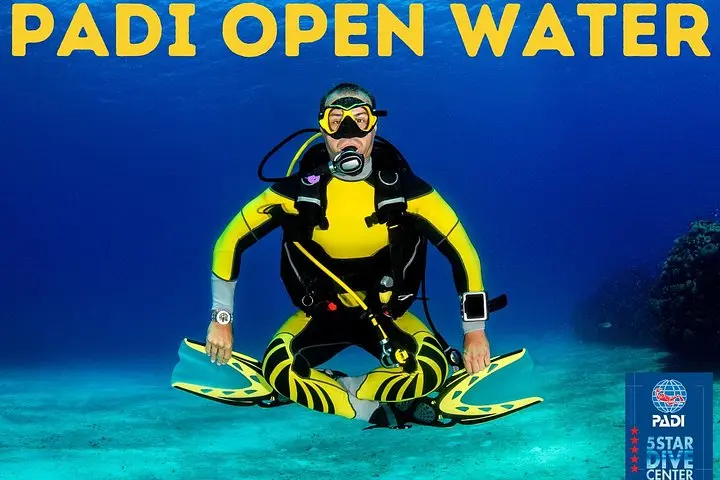
Over four days you’ll blend classroom e-learning with five confined-water sessions on the bay and four open-water boat dives, progressing from basic skills to guided dives to 18 meters. Expect training rhythm: morning theory or pool drills, midday surface intervals, afternoon boat dives for skill application and marine-spotting. Instructors provide full kit and private transport, so logistics stay simple — your job is to learn, practice, and breathe calmly.
Practical guidance: arrive well-rested, hydrate before surface intervals, and use a snug mask and familiar fins (rentals supplied but personal fit improves comfort). Time your course early in your trip to avoid post-travel fatigue; plan at least a day ashore after flying before your first dive. Respect local rules: no touching, no chasing wildlife, and follow your instructor’s briefings — the Atlantic here rewards patient, controlled exploration.
Open Water certification permits dives to 18 meters when accompanied by another Open Water diver or higher.
Yes—you should be comfortable swimming and treading water; candidates who cannot swim are not recommended for the course.
Yes—the course includes a full kit of diving equipment, though many divers prefer to bring a personal mask and fins for fit.
The course runs over four days combining e-learning, five confined-water sessions, and four open-water boat dives; instructors adapt the schedule to weather and student progress.
Travel Sub SLU operates guided outdoor trips and adventures with an emphasis on safety, stewardship, and memorable experiences.
You step off the boat and the Atlantic opens like a cool invitation — blue flats that slide from turquoise into deeper ink. In Costa Adeje the sea feels immediate: wind on your hood, the slap of salt on skin, and a guide running through signals while the island’s volcanic flank broods behind you.
You step off the boat and the Atlantic opens like a cool invitation — blue flats that slide from turquoise into deeper ink. In Costa Adeje the sea feels immediate: wind on your hood, the slap of salt on skin, and a guide running through signals while the island’s volcanic flank broods behind you.
Tenerife’s coastline is born of lava and time; black basalt outcrops frame sandy coves and underwater cliffs where marine life gathers. The island’s marine culture shifted from coastal fishing and historic whaling to recreational diving and protection of fragile reefs, so your first breath under the surface is in waters shaped by geology and recent conservation efforts.
Over four days you’ll blend classroom e-learning with five confined-water sessions on the bay and four open-water boat dives, progressing from basic skills to guided dives to 18 meters. Expect training rhythm: morning theory or pool drills, midday surface intervals, afternoon boat dives for skill application and marine-spotting. Instructors provide full kit and private transport, so logistics stay simple — your job is to learn, practice, and breathe calmly.
Practical guidance: arrive well-rested, hydrate before surface intervals, and use a snug mask and familiar fins (rentals supplied but personal fit improves comfort). Time your course early in your trip to avoid post-travel fatigue; plan at least a day ashore after flying before your first dive. Respect local rules: no touching, no chasing wildlife, and follow your instructor’s briefings — the Atlantic here rewards patient, controlled exploration.