THE ADVENTURE COLLECTIVE® · Independent discovery and booking for outdoor travel

Learn to breathe underwater on Bali’s Menjangan Island with a 3–4 day PADI Open Water course. Expect pool training, classroom theory and four ocean dives with boat transfers and full equipment included.
Learn to breathe underwater on Bali’s Menjangan Island with a 3–4 day PADI Open Water course. Expect pool training, classroom theory and four ocean dives with boat transfers and full equipment included.
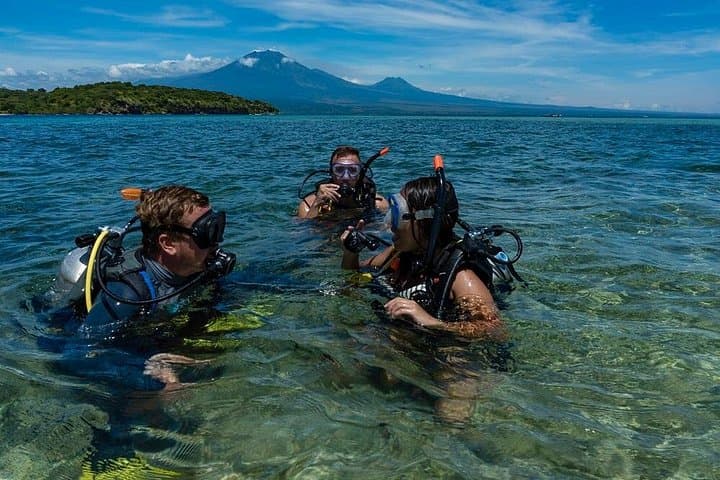
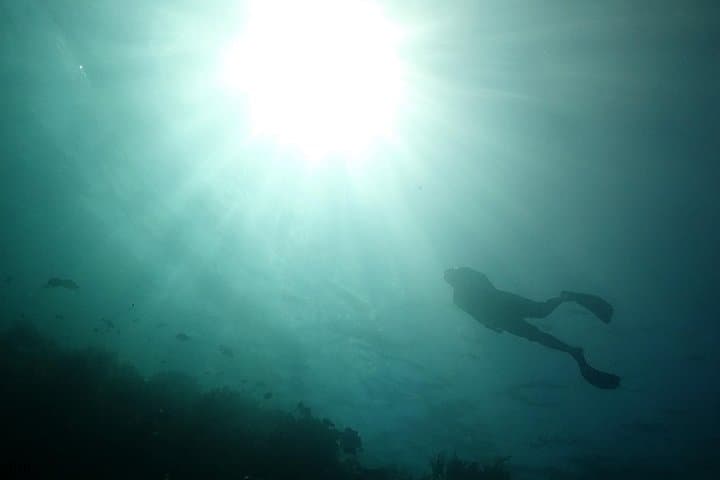
The first breath underwater is both a technical checkpoint and a quiet astonishment: clear water lifts sound, coral gardens loom like living walls, and currents nudge you gently as you practice regulator clearing and buoyancy control.
Verified experiences and guided adventures in the surrounding area.
Operated by Bali Hai Cruises · Pemuteran, Bali
The first breath underwater is both a technical checkpoint and a quiet astonishment: clear water lifts sound, coral gardens loom like living walls, and currents nudge you gently as you practice regulator clearing and buoyancy control.
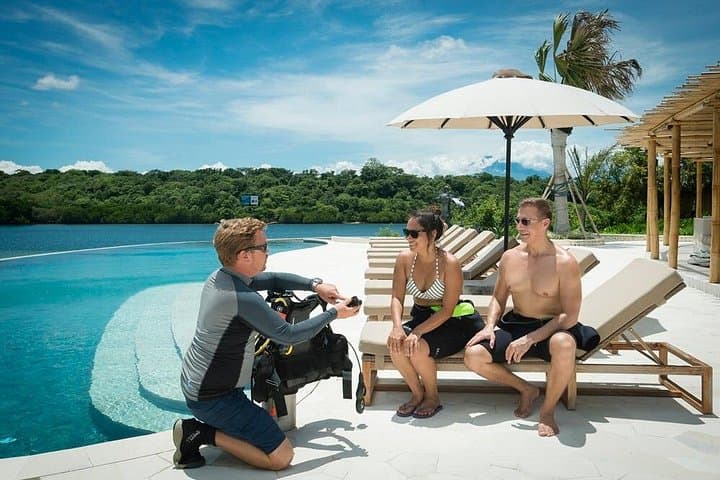
This PADI Open Water course runs over three to four days and follows the standard PADI format: confined-water sessions in a purpose-built training pool (3 m depth) to hone skills, classroom knowledge development to explain dive physics and safety, then four open-water ocean dives around Menjangan to apply what you learned down to the 18 m certification limit.
Menjangan Island lies inside West Bali National Park and carries a long natural-history identity — the island’s name means “deer,” and its reefs sit against volcanic-influenced Bali mantle and limestone outcrops. Local dive sites are known for good visibility, coral channels, and schooling reef fish rather than big pelagics, giving students consistent conditions to practice skills.
Practical details are straightforward: expect daily sessions roughly 08:30–16:00, boat transfers included, full equipment rental, manual, logbook and insurance provided. Medical screening is required — asthma, heart or spinal conditions and pregnancy are contraindications. Do not plan to fly within 24–48 hours after your last dive; most operators advise 48 hours for safety.
For preparation, hydrate and sleep well, bring a personal mask and reef-safe sunscreen, and arrive with basic swimming confidence. Instructors typically run small groups (up to ~15) so you’ll get guided repetition; focus on relaxed breathing and slow ascents. By the last day you’ll carry a globally recognized certification and the practical skills to continue exploring Bali’s reefs responsibly.
PADI Open Water standard minimum age is 15; younger students may qualify for PADI Junior Open Water with age‑appropriate constraints—check with the operator.
No prior scuba experience is required, but you should be comfortable in the water and able to swim short distances.
Operators typically require waiting at least 48 hours after your final dive before flying; follow your instructor’s guidance and PADI recommendations.
Cardiovascular, severe pulmonary, recent surgery, or spinal conditions and pregnancy can disqualify participants—complete the medical questionnaire and consult a doctor if unsure.
Bali Hai Cruises operates guided outdoor trips and adventures with an emphasis on safety, stewardship, and memorable experiences.
The first breath underwater is both a technical checkpoint and a quiet astonishment: clear water lifts sound, coral gardens loom like living walls, and currents nudge you gently as you practice regulator clearing and buoyancy control.
The first breath underwater is both a technical checkpoint and a quiet astonishment: clear water lifts sound, coral gardens loom like living walls, and currents nudge you gently as you practice regulator clearing and buoyancy control.
This PADI Open Water course runs over three to four days and follows the standard PADI format: confined-water sessions in a purpose-built training pool (3 m depth) to hone skills, classroom knowledge development to explain dive physics and safety, then four open-water ocean dives around Menjangan to apply what you learned down to the 18 m certification limit.
Menjangan Island lies inside West Bali National Park and carries a long natural-history identity — the island’s name means “deer,” and its reefs sit against volcanic-influenced Bali mantle and limestone outcrops. Local dive sites are known for good visibility, coral channels, and schooling reef fish rather than big pelagics, giving students consistent conditions to practice skills.
Practical details are straightforward: expect daily sessions roughly 08:30–16:00, boat transfers included, full equipment rental, manual, logbook and insurance provided. Medical screening is required — asthma, heart or spinal conditions and pregnancy are contraindications. Do not plan to fly within 24–48 hours after your last dive; most operators advise 48 hours for safety.
For preparation, hydrate and sleep well, bring a personal mask and reef-safe sunscreen, and arrive with basic swimming confidence. Instructors typically run small groups (up to ~15) so you’ll get guided repetition; focus on relaxed breathing and slow ascents. By the last day you’ll carry a globally recognized certification and the practical skills to continue exploring Bali’s reefs responsibly.