THE ADVENTURE COLLECTIVE® · Independent discovery and booking for outdoor travel

Learn to scuba in Mauritius with the PADI Open Water Diver course: a structured 3–4 day training that pairs online study and pool skills with four ocean dives. Expect warm water, abundant reef life, and practical instruction that gets you comfortable and certified to 18 meters.
Learn to scuba in Mauritius with the PADI Open Water Diver course: a structured 3–4 day training that pairs online study and pool skills with four ocean dives. Expect warm water, abundant reef life, and practical instruction that gets you comfortable and certified to 18 meters.
You step off the dock with salt in your hair and a weight belt at your hip; the ocean ahead is a blue that dares you to look deeper. The boat hums, the instructor runs through a checklist in clipped, calm tones, and the reef line gleams beneath the surface like a hidden road. For many visitors to Mauritius, the PADI Open Water Diver course is the first formal map to that road — a compact, methodical route into an alien world where fishes dart like weather and corals hold ancient architecture.
Verified experiences and guided adventures in the surrounding area.
Operated by BLUE WORLD EXPLORER ADVENTURES · Grand Baie, Rivière du Rempart District
You step off the dock with salt in your hair and a weight belt at your hip; the ocean ahead is a blue that dares you to look deeper. The boat hums, the instructor runs through a checklist in clipped, calm tones, and the reef line gleams beneath the surface like a hidden road. For many visitors to Mauritius, the PADI Open Water Diver course is the first formal map to that road — a compact, methodical route into an alien world where fishes dart like weather and corals hold ancient architecture.
Mauritius is a volcanic backbone ringed by a broad, shallow lagoon and fringing coral reefs. The island’s reef systems formed as lava cooled and coral colonized slower-moving waters, creating sheltered channels and bommies that are ideal training grounds. Culturally, diving here sits alongside Creole, French, Indian, and Chinese influences — dive centers operate with a relaxed professionalism and a local awareness of the reefs’ ecological sensitivity.
The PADI Open Water schedule blends online knowledge development, confined-water skill sessions, and four open-water dives. Expect 3–4 days of training: eLearning first (complete before arrival if possible), then pool practice, then two days of ocean dives where you use and refine buoyancy, emergency procedures, and underwater navigation. Certification limits graduates to 18 meters (60 feet) — enough depth to meet turtles, rays, and abundant reef fish but shallow enough for student safety.
Visibility around Mauritius typically ranges from 10–30 meters depending on season and site; water temps run roughly 23–28°C, so a 3–5mm wetsuit is common. Instructors emphasize buddy checks, controlled descents, and equalization techniques; these are not optional. The provider often offers hotel pickup within a short radius, equipment use is included, and the course is open to those aged 10 and above with basic swimming ability.
Practical pointers: hydrate and avoid alcohol, eat lightly before dives, and plan flights at least 18–24 hours after your last dive. If you have medical conditions, complete the PADI medical questionnaire and consult a physician before booking. Bring a passport for booking details and expect a friendly mix of classroom time and hands-on repetition — the course is designed to make skills automatic so you can enjoy the reef rather than think about your regulator.
Beyond certification, carve out time to explore a quieter site after your course — a drift along a reef wall, a sunrise snorkel where small hawksbill turtles forage. Above all, treat the reef with respect: neutral buoyancy keeps fins from scraping coral, and reef-safe sunscreen reduces chemical stress on delicate polyps. The course hands you the skills; Mauritius gives you the underwater stage.
You must be at least 10 years old for the Junior Open Water course and meet basic swimming requirements.
No prior scuba experience is required — the course starts with theory and confined-water skill sessions.
Open Water certification limits you to 18 meters (60 feet) unless you take additional training.
Expect 3–4 days: eLearning first, then pool/confined water practice, followed by four open-water dives.
Yes — basic scuba equipment use is included, though many divers bring their own mask/snorkel/fins for comfort.
Not recommended for pregnant travelers or those with uncontrolled cardiovascular or respiratory conditions; you must complete a medical questionnaire.
BLUE WORLD EXPLORER ADVENTURES operates guided outdoor trips and adventures with an emphasis on safety, stewardship, and memorable experiences.

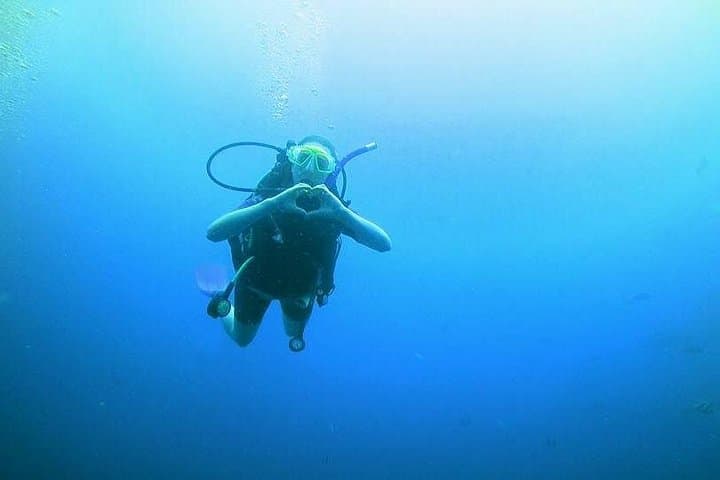

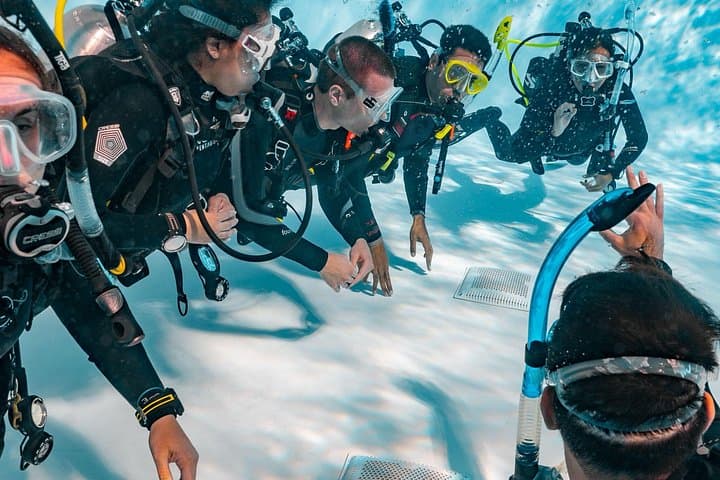
You step off the dock with salt in your hair and a weight belt at your hip; the ocean ahead is a blue that dares you to look deeper. The boat hums, the instructor runs through a checklist in clipped, calm tones, and the reef line gleams beneath the surface like a hidden road. For many visitors to Mauritius, the PADI Open Water Diver course is the first formal map to that road — a compact, methodical route into an alien world where fishes dart like weather and corals hold ancient architecture.
You step off the dock with salt in your hair and a weight belt at your hip; the ocean ahead is a blue that dares you to look deeper. The boat hums, the instructor runs through a checklist in clipped, calm tones, and the reef line gleams beneath the surface like a hidden road. For many visitors to Mauritius, the PADI Open Water Diver course is the first formal map to that road — a compact, methodical route into an alien world where fishes dart like weather and corals hold ancient architecture.
Mauritius is a volcanic backbone ringed by a broad, shallow lagoon and fringing coral reefs. The island’s reef systems formed as lava cooled and coral colonized slower-moving waters, creating sheltered channels and bommies that are ideal training grounds. Culturally, diving here sits alongside Creole, French, Indian, and Chinese influences — dive centers operate with a relaxed professionalism and a local awareness of the reefs’ ecological sensitivity.
The PADI Open Water schedule blends online knowledge development, confined-water skill sessions, and four open-water dives. Expect 3–4 days of training: eLearning first (complete before arrival if possible), then pool practice, then two days of ocean dives where you use and refine buoyancy, emergency procedures, and underwater navigation. Certification limits graduates to 18 meters (60 feet) — enough depth to meet turtles, rays, and abundant reef fish but shallow enough for student safety.
Visibility around Mauritius typically ranges from 10–30 meters depending on season and site; water temps run roughly 23–28°C, so a 3–5mm wetsuit is common. Instructors emphasize buddy checks, controlled descents, and equalization techniques; these are not optional. The provider often offers hotel pickup within a short radius, equipment use is included, and the course is open to those aged 10 and above with basic swimming ability.
Practical pointers: hydrate and avoid alcohol, eat lightly before dives, and plan flights at least 18–24 hours after your last dive. If you have medical conditions, complete the PADI medical questionnaire and consult a physician before booking. Bring a passport for booking details and expect a friendly mix of classroom time and hands-on repetition — the course is designed to make skills automatic so you can enjoy the reef rather than think about your regulator.
Beyond certification, carve out time to explore a quieter site after your course — a drift along a reef wall, a sunrise snorkel where small hawksbill turtles forage. Above all, treat the reef with respect: neutral buoyancy keeps fins from scraping coral, and reef-safe sunscreen reduces chemical stress on delicate polyps. The course hands you the skills; Mauritius gives you the underwater stage.