THE ADVENTURE COLLECTIVE® · Independent discovery and booking for outdoor travel

Get PADI Open Water certified in three days on Koh Tao with Scuba Birds. Combine classroom theory, confined-water skill practice at the Japanese Garden, and progressive open-water dives to 18 m while learning reef-friendly dive habits.
Get PADI Open Water certified in three days on Koh Tao with Scuba Birds. Combine classroom theory, confined-water skill practice at the Japanese Garden, and progressive open-water dives to 18 m while learning reef-friendly dive habits.
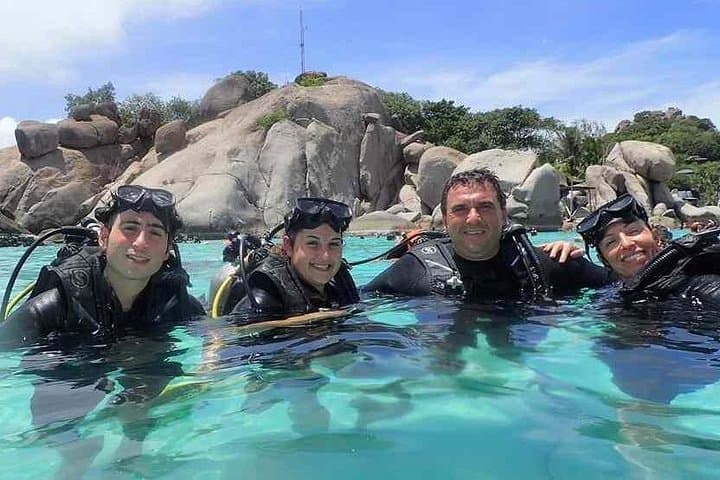
You step off the skiff and the sea opens like a cool blue invitation: sunlight dapples the surface, a slow current teases at your fins, and the reef ahead seems to breathe. On Koh Tao, the water draws you into a learning rhythm — theory in the shade, confined-water drills in a shallow coral garden, then open-water dives that test calm and buoyancy.
Verified experiences and guided adventures in the surrounding area.
Operated by PADI 5 Star IDC Diving Center Scuba Birds · Mae Haad, Surat Thani
You step off the skiff and the sea opens like a cool blue invitation: sunlight dapples the surface, a slow current teases at your fins, and the reef ahead seems to breathe. On Koh Tao, the water draws you into a learning rhythm — theory in the shade, confined-water drills in a shallow coral garden, then open-water dives that test calm and buoyancy.
Koh Tao’s modern dive scene grew from backpacker roots in the 1990s into one of the world’s busiest training hubs. The island’s volcanic base creates narrow ridges and sheltered bays where corals and tropical fish set up colorful neighborhoods; nearby Koh Nang Yuan’s shallow channels form a natural classroom for first skills. Local crews mix Thai island culture with international dive standards — expect friendly instructors, boat songs in multiple languages, and communal coffee between sessions.
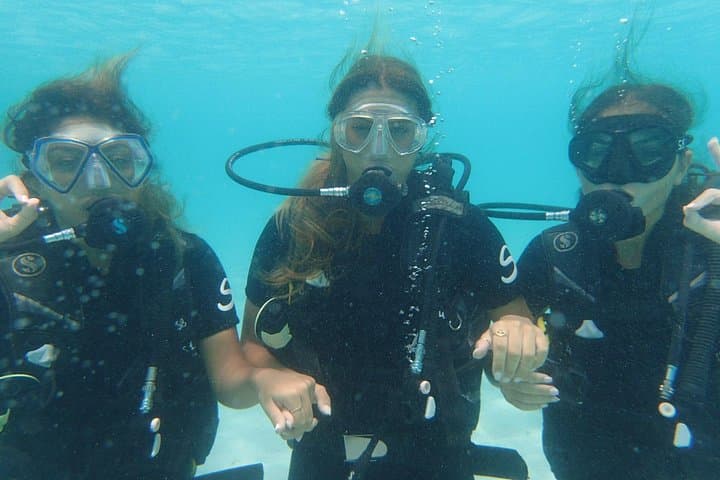
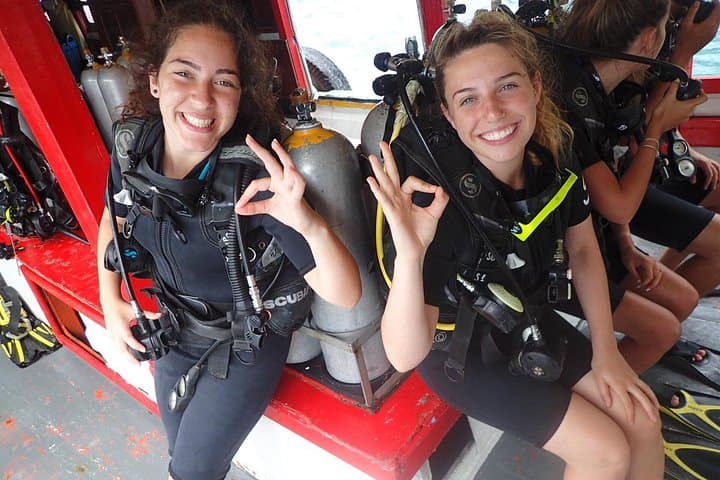
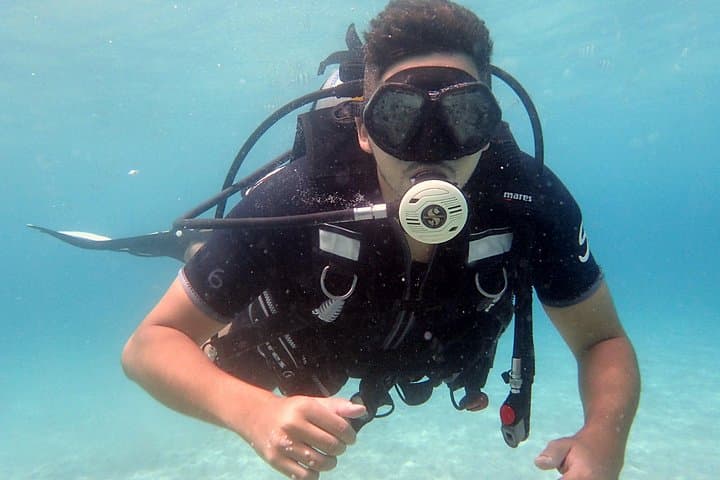
Over three days you’ll move from classroom to confined water and outward to dives that increase in depth and complexity. Practical emphasis covers equipment assembly, buddy checks, mask clearing, and controlled ascents; the final dives push to 18 m where you consolidate skills and earn certification.
Practical guidance: arrive rested and hydrated, bring a short-sleeve wetsuit or rashguard, and use reef-safe sunscreen. Swimming ability and basic comfort in open water matter more than gym fitness. Plan buffer days for seasickness or weather delays, keep your logbook current, and respect local marine park rules — your certification begins with good stewardship of the reef.
No — the PADI Open Water course is designed for beginners; you must be comfortable in the water and complete basic swimming tasks.
Yes — use of standard scuba equipment is included, though you may bring your own mask and snorkel for comfort.
Confined sessions are shallow (1.5–2 m); open-water dives progress to 12 m on day two and up to 18 m by day three.
Yes — rough seas or poor visibility may postpone open-water dives; operators typically allow schedule flexibility and advise buffer days.
PADI 5 Star IDC Diving Center Scuba Birds operates guided outdoor trips and adventures with an emphasis on safety, stewardship, and memorable experiences.
You step off the skiff and the sea opens like a cool blue invitation: sunlight dapples the surface, a slow current teases at your fins, and the reef ahead seems to breathe. On Koh Tao, the water draws you into a learning rhythm — theory in the shade, confined-water drills in a shallow coral garden, then open-water dives that test calm and buoyancy.
You step off the skiff and the sea opens like a cool blue invitation: sunlight dapples the surface, a slow current teases at your fins, and the reef ahead seems to breathe. On Koh Tao, the water draws you into a learning rhythm — theory in the shade, confined-water drills in a shallow coral garden, then open-water dives that test calm and buoyancy.
Koh Tao’s modern dive scene grew from backpacker roots in the 1990s into one of the world’s busiest training hubs. The island’s volcanic base creates narrow ridges and sheltered bays where corals and tropical fish set up colorful neighborhoods; nearby Koh Nang Yuan’s shallow channels form a natural classroom for first skills. Local crews mix Thai island culture with international dive standards — expect friendly instructors, boat songs in multiple languages, and communal coffee between sessions.
Over three days you’ll move from classroom to confined water and outward to dives that increase in depth and complexity. Practical emphasis covers equipment assembly, buddy checks, mask clearing, and controlled ascents; the final dives push to 18 m where you consolidate skills and earn certification.
Practical guidance: arrive rested and hydrated, bring a short-sleeve wetsuit or rashguard, and use reef-safe sunscreen. Swimming ability and basic comfort in open water matter more than gym fitness. Plan buffer days for seasickness or weather delays, keep your logbook current, and respect local marine park rules — your certification begins with good stewardship of the reef.