THE ADVENTURE COLLECTIVE® · Independent discovery and booking for outdoor travel

Train for real-world diving emergencies off Amadores Beach with a two-day PADI Rescue Diver course. Expect pool-based drills, open-water rescue scenarios, small group instruction, and practical prep for managing unresponsive divers.
Train for real-world diving emergencies off Amadores Beach with a two-day PADI Rescue Diver course. Expect pool-based drills, open-water rescue scenarios, small group instruction, and practical prep for managing unresponsive divers.
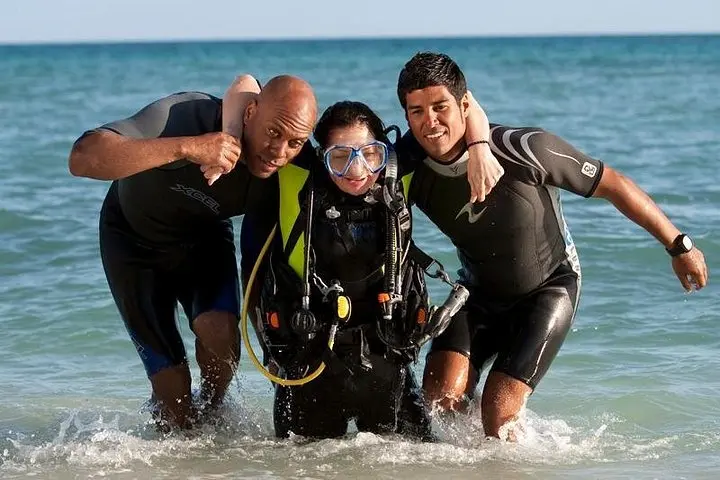
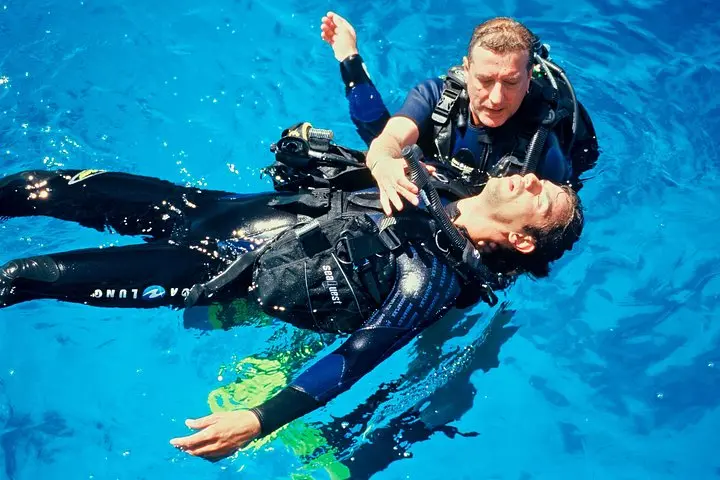
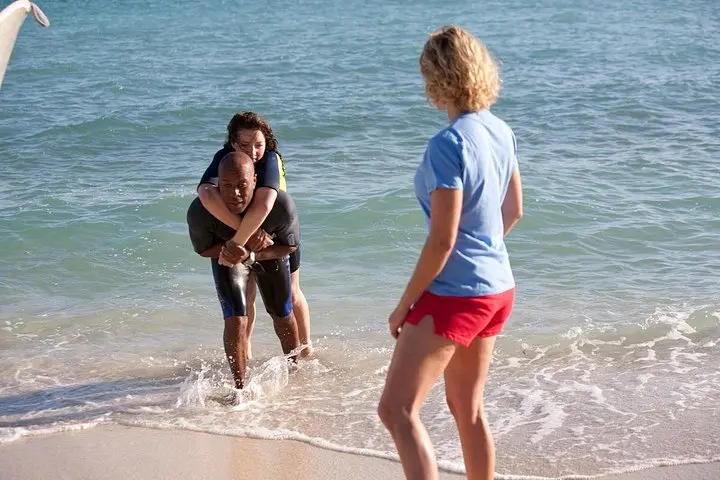
The Atlantic slides cool and steady against Amadores’ sandy crescent as instructors run through kit checks and voice commands. Early light picks out wind-polished pebbles while candidates rehearse tow techniques in a calm training bay; by day two the ocean asserts itself, testing skills in real open-water rescue scenarios off Amadores Beach.
Verified experiences and guided adventures in the surrounding area.
Operated by Blue Water Diving · Puerto Rico (Mogán), Las Palmas
The Atlantic slides cool and steady against Amadores’ sandy crescent as instructors run through kit checks and voice commands. Early light picks out wind-polished pebbles while candidates rehearse tow techniques in a calm training bay; by day two the ocean asserts itself, testing skills in real open-water rescue scenarios off Amadores Beach.
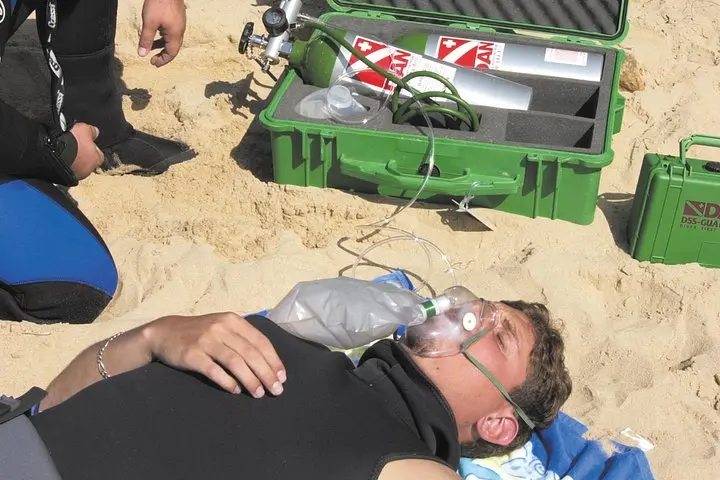
Gran Canaria’s coast is volcanic rock carved by waves and time, and the municipality of Mogán has long been a fishing and seafaring crossroads. That geological bluntness—lava-formed headlands giving way to sheltered bays—makes Amadores a predictable training ground where currents can be mild one hour and assertive the next. The PADI Rescue Diver course focuses on self-rescue, diver assessment, unconscious-diver management and surface tows; Blue Water Diving runs a two-day program with pool or bay work on day one and full rescue scenarios at Amadores on day two.
Expect classroom briefings, hands-on drills in shallow water, practiced lifts, and full simulated emergencies with teammates and an instructor. Groups are small (max six) and the operator includes required PADI materials, certification fees, insurance and selected hotel transfers. Candidates must hold an Open Water certificate, complete a health questionnaire, and avoid flying within 48 hours after dives.
Practical tips: pace your hydration and sea-sickness plan, bring a surface marker buoy and a dive computer if you own one, and schedule training earlier in the day when wind and boat traffic are lower. The course tightens skills more than it challenges fitness—stay calm, practice breathing control, and the Atlantic will teach you how to lead in an emergency.
Yes—participants must hold a PADI Open Water (or equivalent) certification and show proof before starting.
It’s more technically demanding than strenuous: candidates perform tows and lifts and should be comfortable swimming and exerting moderate effort in the water.
Yes—on successful completion you receive the PADI Rescue Diver certification; required materials and certification fees are included.
No—diving within 48 hours of flying is not recommended; plan flights accordingly to avoid decompression risk.
Blue Water Diving operates guided outdoor trips and adventures with an emphasis on safety, stewardship, and memorable experiences.
The Atlantic slides cool and steady against Amadores’ sandy crescent as instructors run through kit checks and voice commands. Early light picks out wind-polished pebbles while candidates rehearse tow techniques in a calm training bay; by day two the ocean asserts itself, testing skills in real open-water rescue scenarios off Amadores Beach.
The Atlantic slides cool and steady against Amadores’ sandy crescent as instructors run through kit checks and voice commands. Early light picks out wind-polished pebbles while candidates rehearse tow techniques in a calm training bay; by day two the ocean asserts itself, testing skills in real open-water rescue scenarios off Amadores Beach.
Gran Canaria’s coast is volcanic rock carved by waves and time, and the municipality of Mogán has long been a fishing and seafaring crossroads. That geological bluntness—lava-formed headlands giving way to sheltered bays—makes Amadores a predictable training ground where currents can be mild one hour and assertive the next. The PADI Rescue Diver course focuses on self-rescue, diver assessment, unconscious-diver management and surface tows; Blue Water Diving runs a two-day program with pool or bay work on day one and full rescue scenarios at Amadores on day two.
Expect classroom briefings, hands-on drills in shallow water, practiced lifts, and full simulated emergencies with teammates and an instructor. Groups are small (max six) and the operator includes required PADI materials, certification fees, insurance and selected hotel transfers. Candidates must hold an Open Water certificate, complete a health questionnaire, and avoid flying within 48 hours after dives.
Practical tips: pace your hydration and sea-sickness plan, bring a surface marker buoy and a dive computer if you own one, and schedule training earlier in the day when wind and boat traffic are lower. The course tightens skills more than it challenges fitness—stay calm, practice breathing control, and the Atlantic will teach you how to lead in an emergency.